MONROVIA– For farmers in Todee, a heavy downpour can leave their produce stranded, cutting off access to markets and the income their families depend on. For women traders in Monrovia, leaving home before dawn to buy goods can mean risking their hard-earned money to criminals. And for residents in flood-prone communities, every rainfall brings concerns about damaged goods, poor sanitation and unsafe living conditions.
By Jaheim T. Tumu- [email protected]
These daily struggles reflect longstanding infrastructure and public service challenges across Montserrado County, where poor roads, inadequate drainage, unsafe drinking water and insecurity continue to threaten livelihoods and public health.
Residents of Electoral Districts 1, 5, 9 and 15 are calling for urgent government intervention, urging lawmakers and relevant authorities to address problems they say have made daily life increasingly difficult.
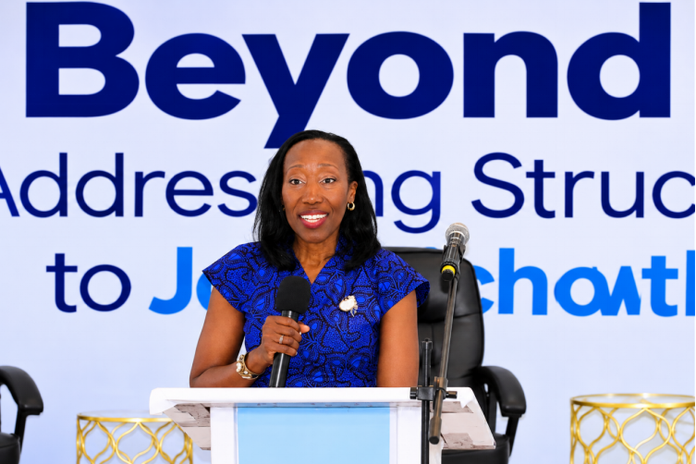
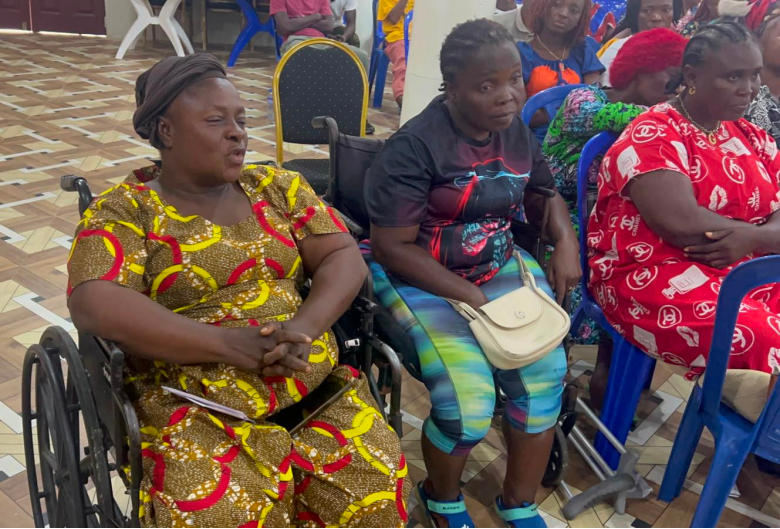
The concerns emerged during community engagements organized by the Platform for Dialogue and Peace (P4DP) under its Project for Women Socio-Economic Leadership and Resilience (P4WOSELR).
Funded by the Women’s Peace and Humanitarian Fund through UN Women, the initiative empowers women farmers, women with disabilities and market women to understand their rights and engage decision-makers on issues affecting their livelihoods. The initiative seeks to empower women farmers, women with disabilities and market women to understand their rights and engage decision-makers on issues affecting their livelihoods.
Poor Roads Leave Todee Communities Struggling
In Todee, District 1, residents say deteriorating roads frequently become impassable during the rainy season, isolating communities and making it difficult for farmers to transport produce to market.
Madam Kou Dorkago, a district leader and women’s rights advocate, said the poor road conditions are hurting farmers and market women who depend on agriculture and trade to support their families.
With transportation becoming difficult and expensive, some farmers adjust their production schedules, while others store products such as palm oil until they can be transported and sold.
The resulting delays and higher transportation costs reduce profits, limit market access and place additional financial pressure on households already struggling to make ends meet.
Market Women Face Flooding and Insecurity
In Monrovia, market women say insecurity and poor infrastructure are threatening both their businesses and personal safety.
Ma Catherine, a gobachop seller at Omega Market, described how criminals target women who leave home before dawn to purchase goods.
“We are constantly being attacked by criminals in the early hours of the morning when we go to buy our goods, and they take all our money, leaving us to start from square one,” she said.
For traders operating with limited capital, losing their money can mean losing their ability to sustain their businesses and provide for their families.
Catherine also complained that inadequate drainage causes water and mud to accumulate at Omega Market whenever it rains, threatening goods and disrupting trading activities. She added that the deteriorating road leading to Omega Field increases transportation costs and further reduces traders’ profits.
The market women are appealing to District 4 Representative Michael Thomas to help address the area’s road, drainage and security challenges.
Meanwhile, Mama E. Toby, a trader at Lakpazee Market, said transportation difficulties create additional obstacles for women moving goods across Monrovia. She appealed to the police to consider traders who pool their limited resources to hire shared taxis.
“We are begging the police because we do not have the money to hire individual vehicles. We combine our resources and pay for one taxi to transport our goods,” she said.
According to Toby, disruptions sometimes force traders to consider traveling at night to avoid delays.
unsafe Water and Poor Sanitation Raise Alarm
In District 15, residents identified unsafe drinking water, poor drainage and inadequate waste management as pressing public health concerns.
They are urging Representative Abu Bana Kamara to work with government institutions and development partners to improve sanitation infrastructure and expand access to safe drinking water.
Residents across Districts 1, 5 and 9 have also called for better roads, healthcare, drainage, sanitation and community safety. The districts are represented by Representatives Rugie Yatu Barry, Prescilla Cooper and Frank Saah Foko Jr., respectively.
Residents Call for Concrete Action
For residents, the demands are basic: passable roads, safe drinking water, effective drainage, better healthcare and safer communities.
Organizers say the concerns reflect broader development challenges affecting communities across Liberia, particularly women and families whose livelihoods depend on farming and small-scale trading.
Residents are urging lawmakers and government authorities to respond with practical interventions that protect livelihoods, improve access to essential services and give struggling families a better chance at a secure and dignified life.
Support Independent Journalism
Your support helps FrontPage Africa continue delivering independent, credible, and impactful journalism. Every contribution strengthens our ability to investigate, inform, and hold power accountable while keeping quality journalism accessible to our readers.
Support our journalism or subscribe to receive the latest FrontPage Africa stories and updates.