Monrovia – Press Union of Liberia (PUL) President, Julius K. Kanubah, has proposed the formulation and enactment of a Liberia Media Governance and Sustainability Act.
By Emmanuel Weedee-Conway
The proposal aims to establish a transparent national framework for supporting independent, ethical and professional journalism.
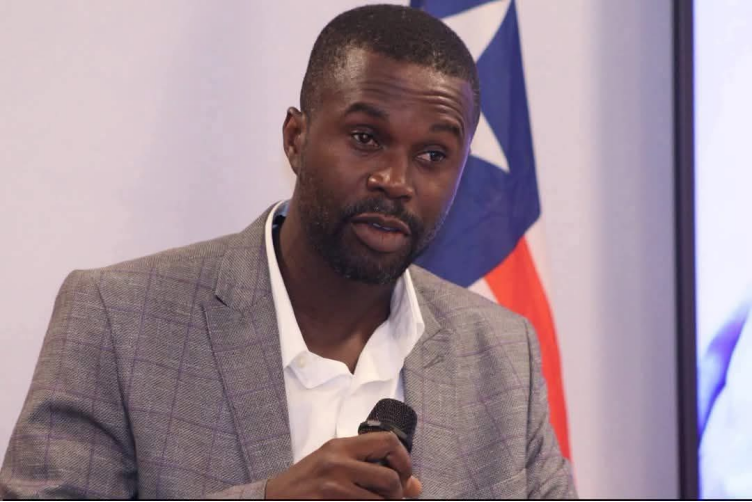
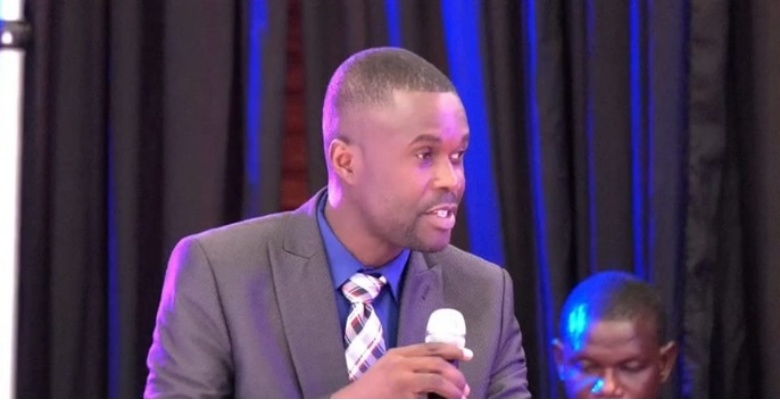
Speaking Saturday, September 12 at the Presidential Media Dinner held at Ellen Johnson-Sirleaf Ministerial Complex in Congo Town, outside Monrovia, Kanubah assured the PUL’s stands readiness to collaborate with the administration as credible journalism remains the lifeblood and oxygen of democracy.
Recounting the legacies of past administrations, the PUL President encouraged the Joseph Nyuma Boakai’s Administration to do the same that the media community and nation at large will remember and point to.
“Excellency, previous administrations left important media legacies, some with controversies. Former President Ellen Johnson- Sirleaf’s Administration enacted the Freedom of Information Act, endorsed the Declaration of Table Mountain and contributed US$100,000 toward the proposed PUL Headquarters. Former President George Manneh Weah’s Administration enacted the Kamara Abdullai Kamara Act and provided a Headquarters for the Female Journalists Association of Liberia, an auxiliary member of the PUL Excellency, the question is: What will be the media legacy of the Joseph Nyuma Boakai’s Administration?” asked Kanubah.
“Excellency, it is true the PUL had a terrible experience regarding the Ellen Johnson- Sirleaf 100 thousand donation. It was a blessing that unfortunately turned into a curse for our Union. The quest for accountability for this terribly mismanaged fund persists even after the previous administration of our Union withdrew the matter from court in the name of reconciliation.”
Despite the unfortunate accountability challenges surrounding the earlier US$100,000 contribution, he vowed the PUL’s commitment to transparency and to constructing its headquarters on the land acquired since 1997.
He craved the Boakai’s Administration to support the completion of the national home of the Union in a bid to ensure press freedom, professional development, ethical journalism, and the protection of journalists.
Accordingly, the media union head reported the country’s gains of notable progress in media development citing the enactment of the Freedom of Information Act, abolition of anti-free-speech offenses through the Kamara Abdullai Kamara Act of Pres Freedom, expansion of community radio and sustained vibrant and pluralistic media landscape.
In the face of the progress made, Kanubah expressed serious frustration over failure to transform the state-run Liberia Broadcasting System (LBS) into an impartial public-service broadcaster; the declining media economy and the difficulties confronting community radio stations and the media in general, including unreliable electricity, inadequate equipment, limited advertising, high operational costs and insufficient professional training.
These recommendations, he pointed out, were echoed at the 2025 Presidential Dinner, but nothing tangible has been done in this direction.
“More than a year later, Excellency, we are yet to see significant progress toward comprehensive ELBC reform, structured support for community radio, improved working conditions for journalists, or a national framework for media sustainability. Liberia has made notable progress in media development. We have enacted the Freedom of Information Act, abolished anti-free-speech offenses through the Kamara Abdullai Kamara Act of Pres Freedom, expanded community radio, and sustained a vibrant and pluralistic media landscape. These achievements must be protected and strengthened.”
“At the first Presidential Media Dinner on 10 April 2025, the PUL highlighted several pressing concerns. These included the need to transform ELBC into an impartial public-service broadcaster; the declining media economy; and the difficulties confronting community radio stations and the media in general, including unreliable electricity, inadequate equipment, limited advertising, high operational cost and insufficient professional training.”
“More than a year later, Excellency, we are yet to see significant progress toward comprehensive ELBC reform, structured support for community radio, improve working conditions for journalists or a national framework for media sustainability,” he, among other things, added.
Support Independent Journalism
Your support helps FrontPage Africa continue delivering independent, credible, and impactful journalism. Every contribution strengthens our ability to investigate, inform, and hold power accountable while keeping quality journalism accessible to our readers.
Support our journalism or subscribe to receive the latest FrontPage Africa stories and updates.