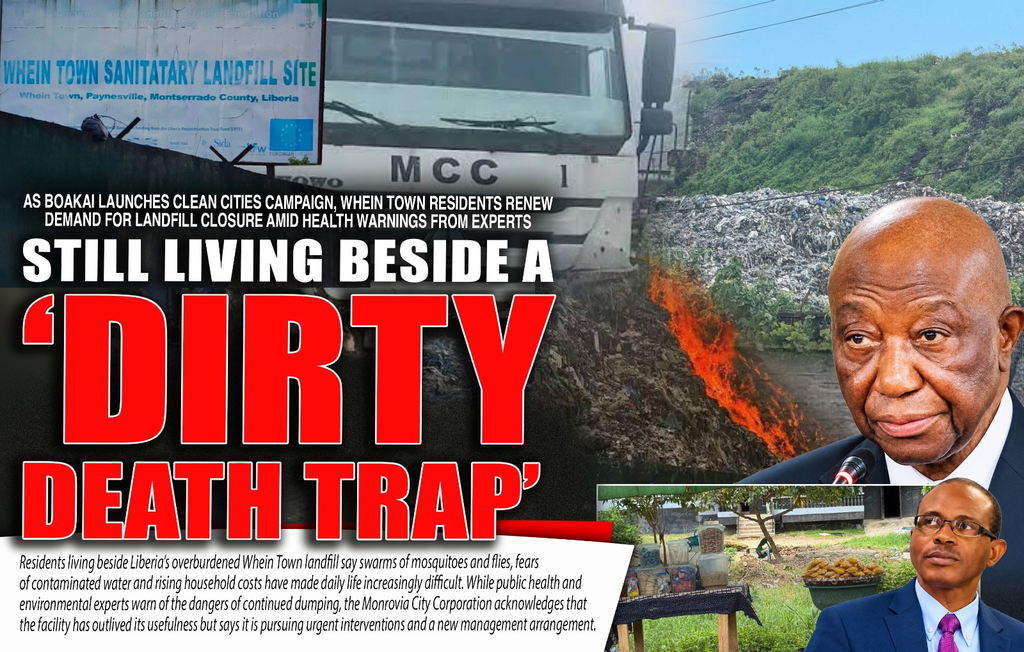
PAYNESVILLE, Montserrado County — After sunset, when mosquitoes descend on homes in Whein Town, residents say spending time outdoors becomes almost unbearable. During the day, swarms of flies hover around food and businesses, while foul-smelling water and the presence of rodents and snakes fuel fears about what living beside a massive garbage dump may be doing to their health.
By Gerald C. Koinyeneh
For families in this community outside Monrovia, the struggle is not simply about living near garbage. It is about the growing cost of securing clean water, protecting children from insects and trying to maintain a livelihood in an environment they say has become increasingly difficult to endure.
The source of much of their frustration is the Whein Town Landfill, a facility established as a temporary solution to Liberia’s urban waste problem but still receiving garbage years beyond its intended lifespan.
Residents say the continued dumping has left them feeling abandoned by authorities responsible for managing the waste generated by Monrovia and Paynesville.
“We are being used as sacrificial lambs,” said Amos Moore, a resident who accused the government of failing to honour its commitment to close the landfill after its original five-year lifespan expired.
“It is a shame that the government will unleash such suffering on a large group of its people.”
For residents such as Moore, the central question is why a facility intended to provide a temporary answer to an urgent sanitation problem has become a seemingly permanent feature of their community, while promises of relief remain unfulfilled.
Their concerns have drawn renewed attention from public health and environmental experts, who warn that poorly managed landfills can expose nearby populations to serious risks, particularly when waste exceeds a facility’s intended capacity.
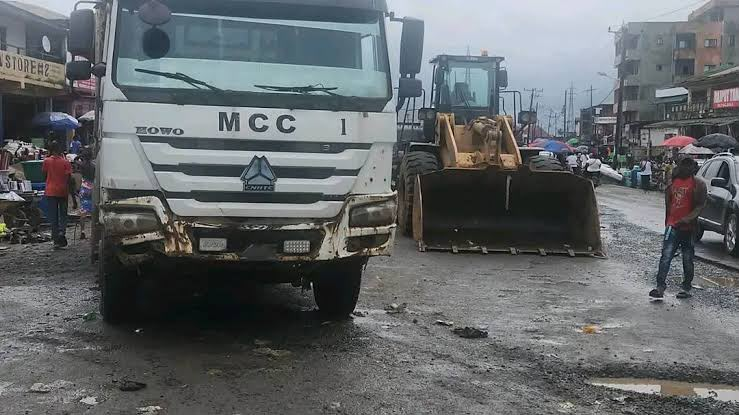
The Monrovia City Corporation, which manages the facility, acknowledges that the landfill has outlived its usefulness. However, it says it is taking what it describes as “immediate, aggressive action” to address the situation.
For residents, those interventions have yet to resolve their most pressing concern: ending the dumping.
The Cost of Living Beside the Dump
Samuel Kofi Jones III, Secretary General of the Whein Town Community Leadership, said residents have complained about the landfill for years and have previously protested activities they considered harmful to their community.
Jones recalled an incident around 2012 or 2013 when authorities allegedly brought seized drugs to the area and burned them near the landfill. He said fumes spread into the community, prompting residents to protest and demand greater oversight of activities at the facility.
Following the incident, he said, a community monitoring team was established to observe activities at the landfill.
The team initially comprised eight residents who worked in shifts, including overnight, to monitor what was happening at the site.
But financial constraints eventually reduced the number of monitors to four, Jones said, adding that their stipends have not been paid consistently.
Two groups of community monitors have completed their assignments, while the latest group had worked for about two months awaiting payment, he said.
The monitoring arrangement, intended to give residents a measure of oversight, has not addressed their broader concerns about the continued operation of the facility.
“If you ask me what I want them to do, I would tell you to close the dumpsite,” Jones said.
He maintained that residents remain willing to engage the government but believe authorities have repeatedly failed to follow through on commitments made to the community.
The landfill was established in 2011 under the Emergency Monrovia Urban Sanitation Project as a temporary, five-year emergency waste-disposal facility managed by the MCC. It was intended to improve the collection and disposal of solid waste in Monrovia and Paynesville.
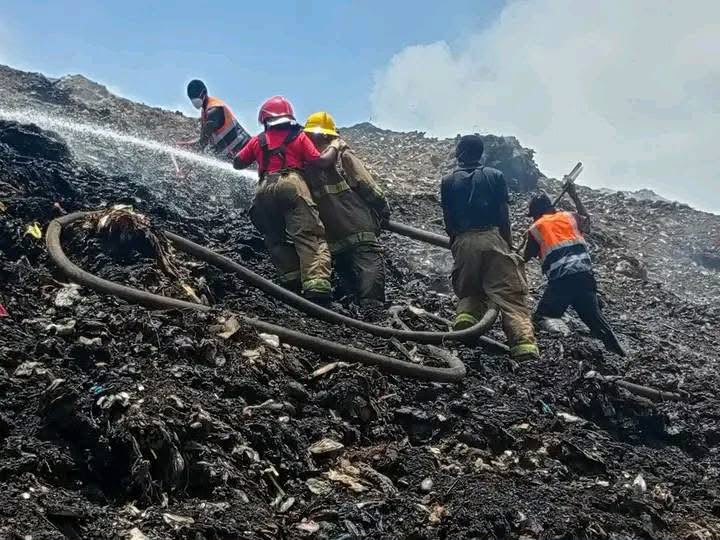
Although accounts of the facility’s development cite both 2011 and 2012, residents agree that its continued operation has far exceeded the original period they understood it would serve.
Fifteen years later, they say, the consequences have become part of everyday life.
When Clean Water Becomes an Added Expense
For Leon Miaway, one of the most persistent problems is the mosquito population.
He said residents struggle to remain outdoors after 5 or 6 p.m., when mosquitoes become particularly troublesome, forcing many families to rely on mosquito nets to protect themselves at night.
Flies create a different problem during the day, especially in the rainy season, when Miaway said they frequently come into contact with food.
For households already struggling with daily expenses, the concerns extend to water.
Miaway said changes to the area where garbage is deposited have raised fears that liquid leaking from waste may be reaching nearby water sources. He believes the absence of adequate containment measures at the newer dumping area has worsened the situation.
The extent of any contamination has not been independently established, but residents say the uncertainty has forced some households to spend additional money on water for drinking and cooking.
“Before you prepare any good food now, it means you have to spend more, even to buy water,” Miaway said.
For families with limited incomes, the added expense can mean making difficult choices between buying water they consider safer and meeting other household needs.
Miaway also said malaria is common in the community and expressed concern about children walking barefoot around areas where stagnant water collects.
He complained that residents had not seen regular visits by government agencies or humanitarian organizations to collect household data or distribute mosquito nets and other supplies.
“It has been a long while, like, over two, three years now,” he said.
The absence of consistent assistance, residents say, has reinforced their belief that they are being left to manage the consequences of the landfill largely on their own.
The residents’ renewed complaints come as President Joseph Nyuma Boakai launches the Presidential Clean Cities Initiative, a nationwide sanitation programme intended to support urban cleanliness, improve environmental health and create employment opportunities for young Liberians.
For residents of Whein Town, however, the campaign presents a troubling contradiction: while the government is mobilizing young people to clean cities and communities, their own neighbourhood continues to receive mountains of garbage from Monrovia and Paynesville, despite longstanding concerns about the landfill’s capacity and environmental condition.
They fear that unless the government addresses the continued operation of the Whein Town landfill, the clean cities campaign will fail to achieve its intended purpose for communities bearing the greatest burden of urban waste disposal.
Without addressing the conditions in Whein Town, residents fear the Clean Cities Initiative could improve the appearance of urban centres while leaving an already burdened community to continue paying the environmental price
“As long as the landfill is not closed, this cannot be a clean cities’ campaign. This is more pollution, more suffering and more sickness,” said Elijah Johnson, a student of the University of Liberia. We have complained for years that this is a death trap, yet still no solution.
‘They Are Still Dumping Every Day’
Princess Dennis, another resident, said families living near the landfill are increasingly worried about illnesses they associate with the surrounding conditions.
She cited malaria and other infections as concerns, particularly for children, and said previous mosquito-net distributions did not reach everyone.
Dennis alleged that some distributions stopped around a telecommunications junction, leaving residents in other parts of the community without nets.
But she stressed that receiving mosquito nets or other relief items would not resolve what residents consider the underlying problem.
“I’m upset about the dumpsite here,” she said, appealing to the authorities to stop the continued dumping of waste.
Dennis said garbage trucks continue to bring waste to the facility every day despite the community’s complaints.
She also operates a business along the road near the landfill, where she said flies affect customers and force her to cover her goods.
For a small business owner, the problem is both a public health concern and an economic burden: maintaining basic hygiene becomes more difficult when flies are constantly present.
Water insecurity compounds the difficulty.
Dennis said some residents sometimes consume water they consider unsafe because they cannot afford alternatives.
“When we don’t get money, we can drink the water,” she said.
Her account illustrates the difficult choices confronting households that cannot consistently pay for alternative water supplies but fear the possible consequences of using nearby sources.
Residents have raised concerns about illnesses ranging from malaria and diarrhoeal diseases to more serious conditions they believe may be associated with environmental pollution. However, establishing whether the landfill is responsible for particular illnesses requires clinical evidence and independent environmental testing.
For residents, the lack of clear information about water quality and potential exposure remains a source of anxiety.
Residents Fear Another Confrontation
Despite their frustration, some residents are reluctant to organize direct action against the landfill.
Miaway recalled previous protests during which residents blocked roads and some participants were arrested. He said the community does not want a repeat of those incidents and prefers its leadership to negotiate with authorities on its behalf.
The hesitation reflects a difficult position: residents want the dumping to stop but fear that confrontations could lead to arrests without delivering a lasting solution.
They have instead continued to press their case through community meetings, local leaders and calls for government intervention.
Their demand is not limited to mosquito control, water provision or occasional medical outreach. They want the landfill closed or relocated.
That demand has also been reflected in previous petitions to the Legislature, in which residents sought intervention over the facility’s continued operation and the lack of basic services in the community.
For them, years of complaints and temporary interventions have not delivered the change they seek.
Experts Warn of Environmental and Public Health Risks
Dr. Dougbeh Chris Nyan, a former Director General of the National Public Health Institute of Liberia and an infectious disease expert, said landfills can become serious environmental and public health hazards when they are overfilled and inadequately managed.
Dr. Nyan said the Whein Town facility has affected wildlife, may have contributed to rodent infestation and has reduced available living space in the surrounding area, contributing to community congestion.
He warned that congestion can facilitate the spread of infectious diseases, particularly when sanitation and other basic services are inadequate.
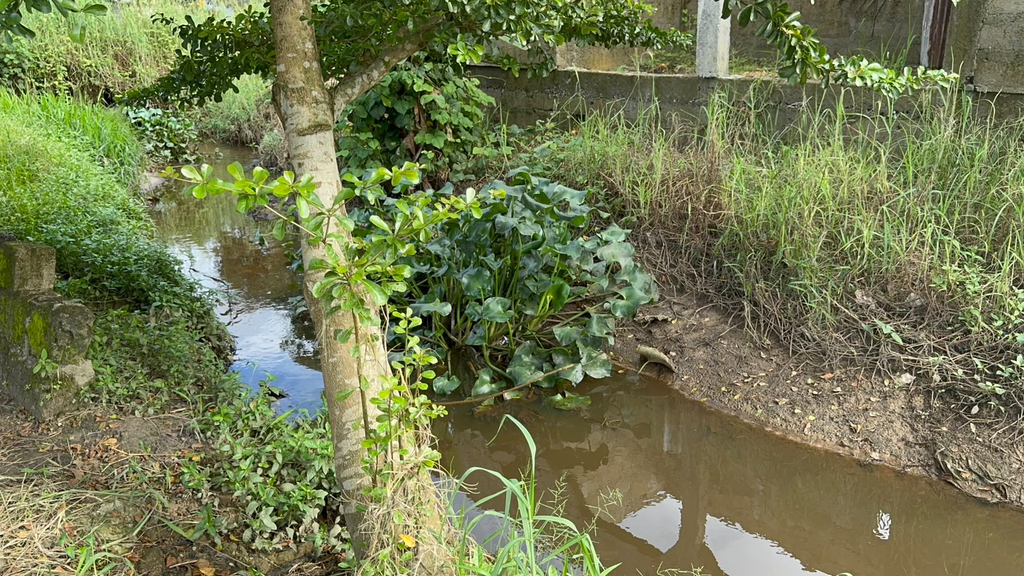
Dr. Nyan also cited findings from empirical studies conducted around 2022–2023 by public health students at the African Methodist Episcopal University. He said the studies indicated contamination of soil, streams, wells and other groundwater sources around the area.
Those findings, he said, raise concerns about possible exposure to gastrointestinal infections and other illnesses.
FrontPage Africa has not independently reviewed the studies’ methodology or results. Further investigation would be needed to establish the extent of any contamination and determine its sources.
Dr. Nyan said residents have also reported respiratory symptoms that warrant clinical documentation and investigation to determine whether exposure to polluted air is contributing to their health problems.
He warned that the landfill could also be contributing to greenhouse gas emissions as organic waste decomposes, adding to the broader environmental consequences of poorly managed waste.
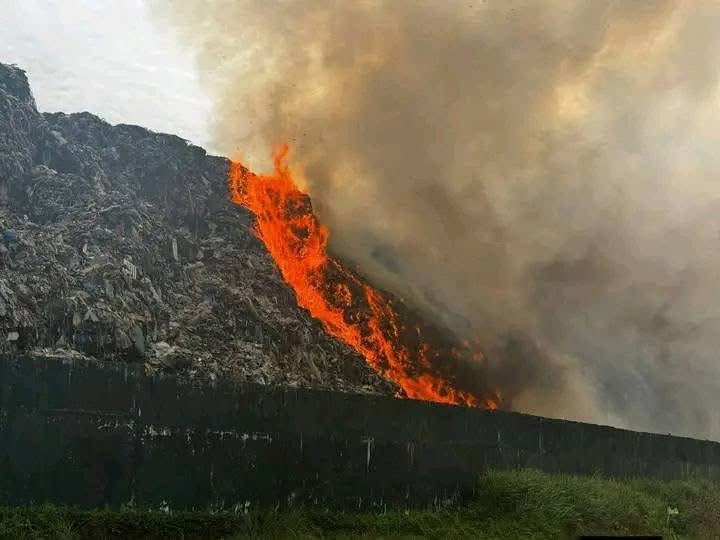
His most serious concern is the possibility of a landslide or collapse at the site, which he said could result in loss of life and property.
Dr. Nyan called on the government to enforce the landfill’s closure and invest in recycling, reuse and waste-reduction programmes.
He also urged Liberia to consider stronger restrictions on plastic use as part of a broader effort to reduce the volume of waste reaching disposal sites.
For Dr. Nyan, continued dumping at a facility believed to have reached its capacity raises questions about how long the government can delay a more sustainable solution without exposing communities to additional risks.
‘The Environmental Burden Is Borne by Nearby Communities’
Mohammed W. Bah, a Liberian researcher and PhD student in Urban and Environmental Planning and Policy at the University of California, Irvine, said a landfill that exceeds its intended capacity can create serious environmental and public health problems when waste is no longer properly contained.
Bah, whose research focuses on climate adaptation, coastal vulnerability, climate-related displacement and relocation, said exposed garbage can attract flies, rodents and other disease vectors.
Poorly controlled waste and leachate—the liquid that drains from decomposing garbage—can contaminate soil and surface or groundwater, while open burning and landfill fires can worsen air quality.
“These risks are particularly concerning when residential communities are located close to the site, as in Whein Town,” he said.
Bah also described the situation as an environmental justice issue, noting that communities located near waste facilities often bear disproportionate environmental and health burdens associated with services used by larger populations.
He said residents should have access to information about the landfill’s condition, environmental monitoring results, closure plans and measures being taken to protect them.
As an immediate response, Bah called for uncontrolled dumping to stop, exposed waste to be properly contained and covered, and disease vectors such as mosquitoes, flies and rodents to be controlled.
He also recommended assessments of water and soil contamination, improved drainage and leachate management, and access to safe drinking water for surrounding communities.
Given reports that the facility has exceeded its intended capacity and design life, Bah said an independent assessment should determine whether it can continue operating safely.
“If the site has exceeded its designed lifespan and can no longer be safely operated, the solution cannot merely be to continue adding waste indefinitely,” he said.
He called for a planned transition to an alternative disposal facility, accompanied by the proper closure and environmental remediation of Whein Town.
But Bah cautioned that moving the landfill would not, on its own, resolve Liberia’s wider waste-management problems.
The government, he said, must improve garbage collection, promote waste separation and recycling, encourage reuse and strengthen enforcement against illegal dumping.
“Whein Town demonstrates why environmental planning has to be proactive rather than reactive,” Bah said.
“Once a temporary solution becomes permanent without necessary infrastructure, monitoring and long-term planning, the environmental burden is often borne by nearby communities.”
MCC Acknowledges Landfill Has ‘Outlived Its Usefulness’
The Monrovia City Corporation says it recognizes the challenges at Whein Town and is pursuing measures to address them.
In a statement to FrontPage Africa, the MCC said it was taking “immediate, aggressive action” to tackle technical challenges at the facility, acknowledging that the landfill “has outlived its usefulness” and that the rainy season has compounded the situation.
“The MCC considers the health concerns of the residents as a top priority; as such, we are constantly fumigating the facility and providing routine health care interventions to the residents,” the corporation said.
The MCC also said mosquito nets had been distributed in the community and that it conducted a free medical outreach between March and April 2026.
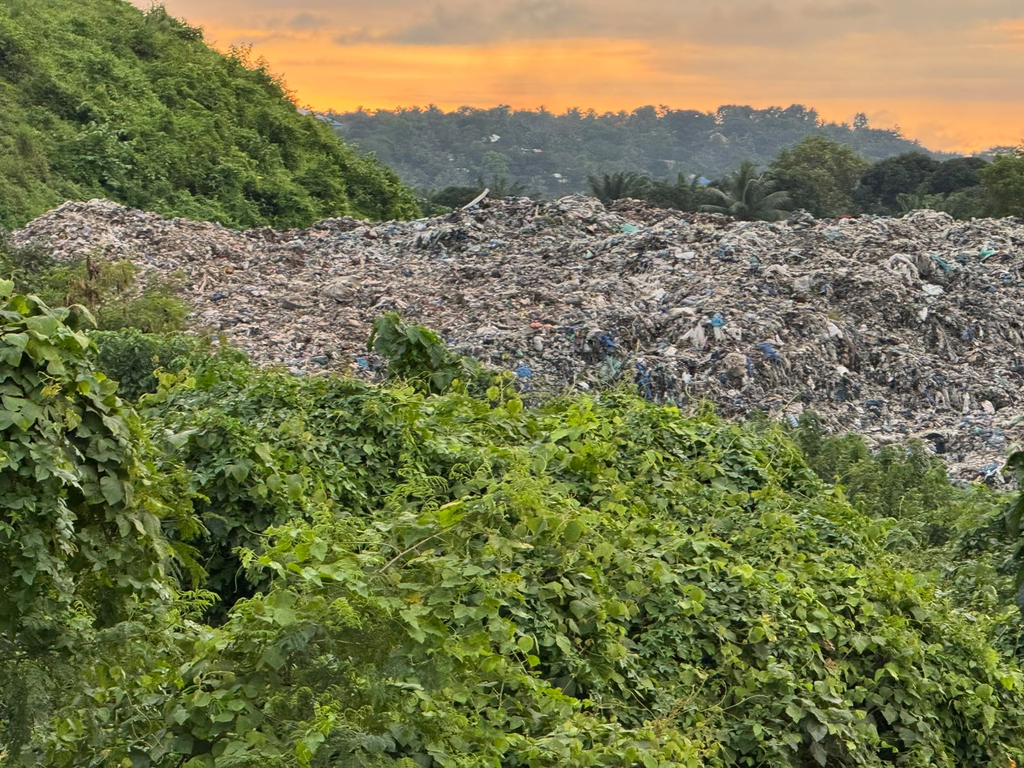
Addressing allegations that garbage was being dumped directly on the ground, the corporation said it remained committed to responsible waste disposal and “would do nothing to endanger the health of the people of Whein Town.”
The corporation further disclosed that it was at an advanced stage of concluding a public-private partnership framework with a private-sector company for the joint management of the sanitary landfill.
However, the statement did not specify when the proposed partnership would be finalized, what immediate changes it would bring to waste disposal practices, or whether the arrangement would lead to the landfill’s closure.
The MCC’s acknowledgment that the site has outlived its usefulness is significant, but residents remain concerned about the continued arrival of garbage and the absence of a publicly established closure timetable.
Its claims of fumigation, medical outreach and mosquito-net distribution also contrast with residents’ accounts of inconsistent assistance and the persistence of mosquitoes, flies and concerns about water quality.
The different accounts underscore the need for transparent information about the frequency and coverage of the corporation’s interventions, alongside independent monitoring of environmental conditions.
Beyond Fumigation: A Lasting Solution
The MCC’s proposed partnership could offer a route toward improved management, but experts say the long-term solution must address the landfill’s capacity, environmental condition and eventual closure if it can no longer be operated safely.
A credible response would also require reliable access to safe drinking water, independent testing of nearby wells and other water sources, and public disclosure of the results.
For residents, such steps would provide more than reassurance. They would help establish whether the water they use is safe, clarify the health risks they face and identify which interventions are urgently needed.
The government must also explain the status of alternative waste-disposal arrangements and how it intends to prevent an indefinite continuation of the current situation.
Liberia’s growing urban population requires an effective waste-management system. But residents of Whein Town argue that the need to dispose of garbage from Monrovia and Paynesville cannot justify leaving one community to shoulder the risks without adequate safeguards.
Their experience highlights a broader challenge: waste infrastructure cannot be considered successful if the environmental costs are transferred to the people living closest to it.
For Jones, Miaway, Dennis and Moore, the immediate issue remains personal. It is about whether families can eat without flies hovering over their food, obtain water without worrying about contamination and allow children to move around their neighbourhood without fearing the conditions surrounding them.
The MCC says it is taking action. Experts say the risks warrant urgent assessment and intervention. Residents, however, say they have heard promises before.
“We are being used as sacrificial lambs,” Moore said.
For Whein Town, the test of the government’s response will not be another promise or a temporary distribution of supplies. It will be whether the dumping ends, the environmental risks are properly assessed and the community finally receives the protection and basic services its residents say they have been denied for years.
Support Independent Journalism
Your support helps FrontPage Africa continue delivering independent, credible, and impactful journalism. Every contribution strengthens our ability to investigate, inform, and hold power accountable while keeping quality journalism accessible to our readers.
Support our journalism or subscribe to receive the latest FrontPage Africa stories and updates.