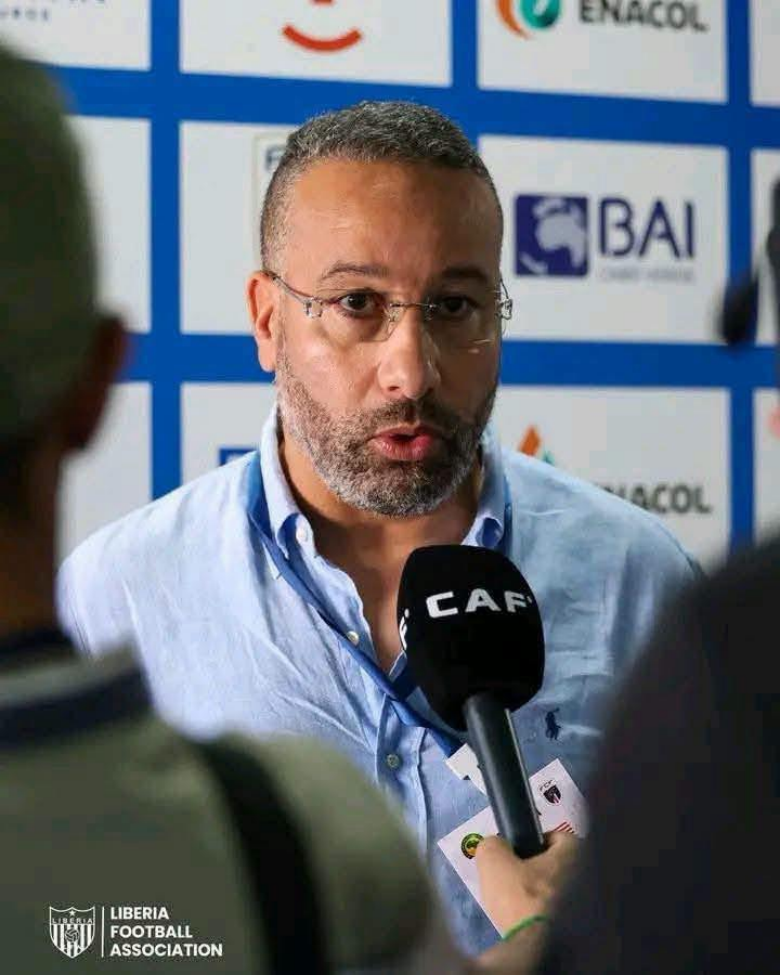
MONROVIA — Liberia’s dismal start to the 2027 Africa Cup of Nations (AFCON) qualifying campaign has sparked serious scrutiny over the future of the Lone Star technical bench, with head coach Mohammed Adil Erradi team yet to secure a win in the qualifying round which proves that he needs to be relieved of his duties.
By Christopher C. Walker, [email protected]
Three consecutive defeats in the opening phase of the qualifiers should be enough to trigger a candid assessment of the coach’s tenure, particularly when the results reflect a national side failing to meet the basic expectations of its supporters.
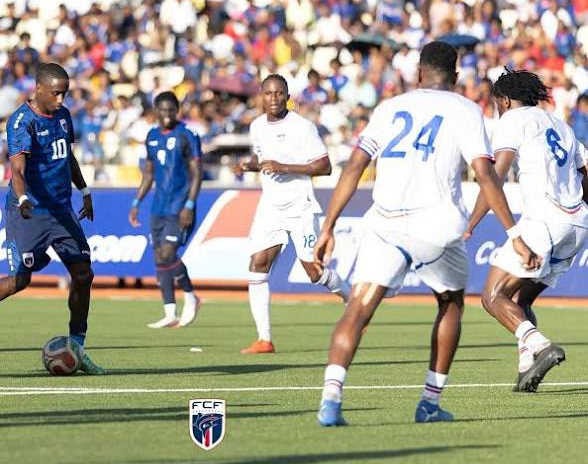
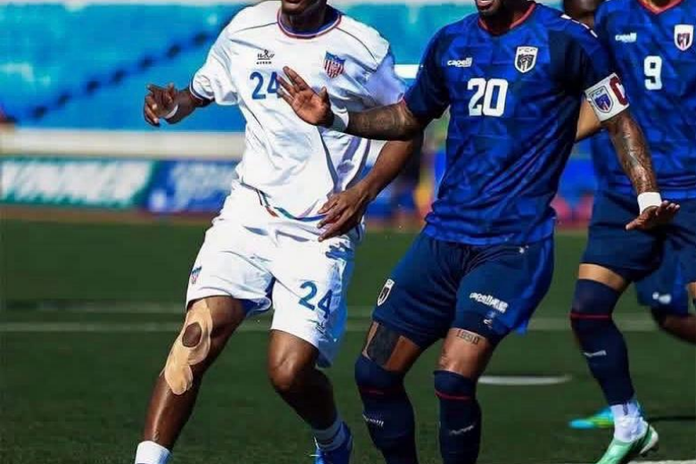
The Lone Star opened its campaign with a 3-1 defeat away to Rwanda before returning to Monrovia to suffer a disappointing 1-0 loss to Mali. Hopes of a turnaround were further dashed on Nov. 13, when Liberia traveled to face Cape Verde and fell 4-2.
Three matches, three defeats, and zero points.
For a nation with a proud footballing heritage and supporters who remain deeply invested in the national team, such lackluster performances are difficult to stomach.
More alarming is that Liberia has conceded eight goals while scoring just three across its opening three fixtures, exposing glaring deficiencies in defensive organization and tactical discipline.
Where Is the Coach When Local Football Is Played?
Beyond the poor results on the pitch, a major concern surrounding the current technical staff is its limited physical presence in the country.
Erradi and his backroom staff are reportedly based outside Liberia, traveling to Monrovia primarily for international fixtures.
This arrangement has raised sharp questions about their engagement with the domestic game, specifically how they identify and monitor talent in the Liberia Football Association (LFA) First Division.
Unlike previous national team managers most notably Peter Butler, who lived in Liberia and regularly attended domestic fixtures to scout players firsthand, the current technical team relies heavily on video footage to assess local talent.
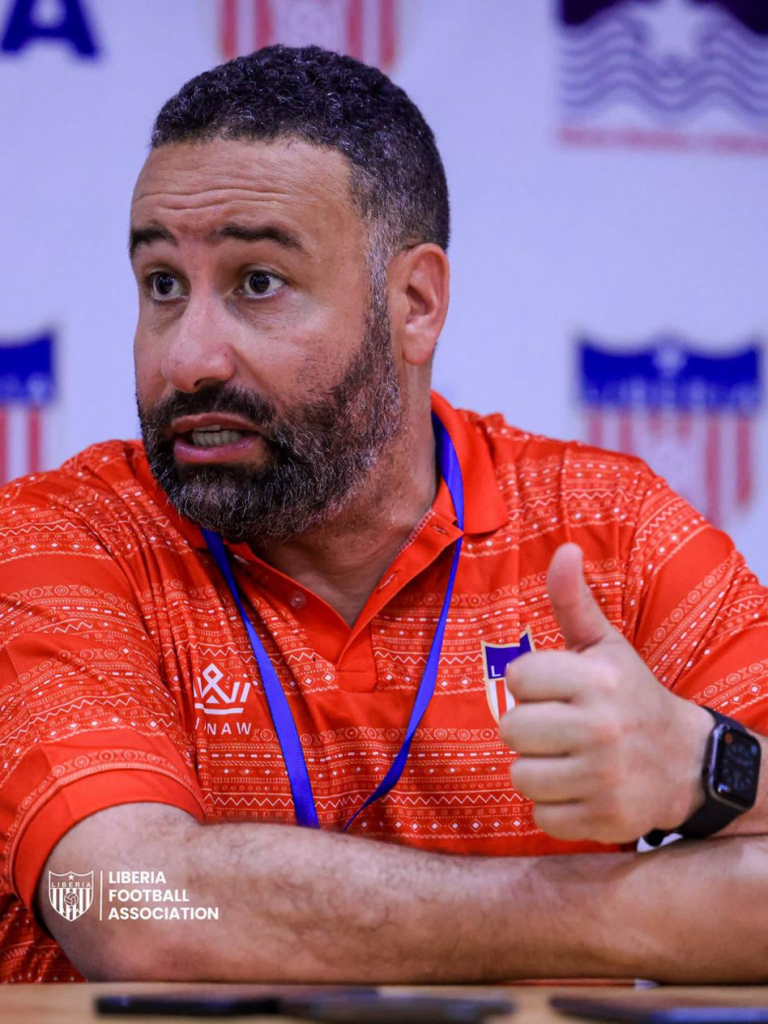
While modern football increasingly embraces data and video analysis, watching match tapes cannot replace the value of live scouting: observing a player’s off-the-ball movement, tactical awareness, work rate, and temperament in real time. Domestic football is the bedrock of any national program, and it remains unclear how the technical staff can fairly evaluate locally based athletes from abroad.
Questions Over Player Selection
This disconnect leads to a critical question regarding the national team’s invitation process: What criteria are being used to select players for the Lone Star?
Without regular attendance at local matches, how frequently is the technical team monitoring domestic form? Are call-ups based on merit and tactical suitability, or are selections driven by third-party recommendations? These are legitimate questions the LFA must answer.
Home-based players deserve a fair shot at representing their country without feeling penalized for plying their trade domestically rather than abroad. A national coach must immerse himself in the local football ecosystem, understand the domestic league, and maintain open lines of communication with local club managers. Without that connection, doubts regarding the fairness and transparency of squad selections will persist.
A Departure from Past Precedent
Under previous regimes, including Butler’s tenure, there was a deliberate emphasis on maintaining a physical presence in Liberia to nurture domestic talent. That hands-on approach fostered a stronger understanding of the local player pool.
The current remote arrangement suggests a worrying detachment from the domestic league.
Liberia cannot build a sustainable, competitive national side while sidelining its local football structure; the Lone Star must be a true reflection of the nation’s best talent, regardless of where those athletes play.
Time for the LFA to Act
When Mohammed Adil Erradi was appointed in May 2026 on a three-year contract, expectations were high that he would instill stability and guide Liberia back to major international tournaments. However, international football is a results-driven business.
Three straight losses, compounded by the technical team’s absence from the local scene, demand decisive action from the LFA leadership. While rebuilding a national side requires patience, patience must not become an excuse for chronic underperformance or a lack of visible commitment to the country’s football development.
Tuesday’s return fixture against Cape Verde on Nov. 17 in Monrovia offers an immediate opportunity for the Lone Star to salvage some pride. Regardless of that single result, however, the LFA must look at the broader picture and evaluate the viability of the current technical setup.
Liberian Football Deserves Better
The Lone Star belongs to the entire nation. Every time the team steps onto the pitch, it carries the hopes of millions of Liberians at home and in the diaspora. Supporters deserve accountability, transparency, and a coherent development strategy.
A national team coach should not be a tourist who arrives only when international windows open; he must be an active participant in the country’s footballing environment.
Three consecutive AFCON qualifying defeats serve as a stark warning. Coupled with selection criteria and a lack of local presence, the trajectory is unsustainable. Is it time for the Liberia Football Association to part ways with Mohammed Adil Erradi and his technical staff? For a growing number of frustrated Lone Star fans, the answer is already clear.
Support Independent Journalism
Your support helps FrontPage Africa continue delivering independent, credible, and impactful journalism. Every contribution strengthens our ability to investigate, inform, and hold power accountable while keeping quality journalism accessible to our readers.
Support our journalism or subscribe to receive the latest FrontPage Africa stories and updates.