Former Miss Liberia Wokie Dolo is facing intense backlash after publicly endorsing President Boakai’s call to ban female genital mutilation (FGM).
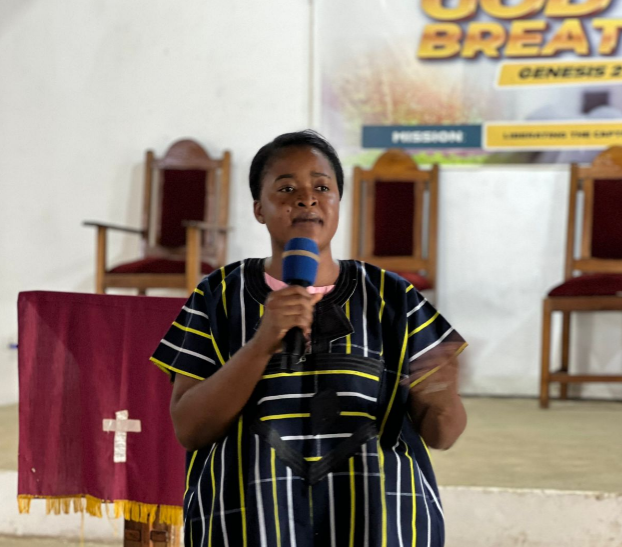
Wokie, who currently works as Gender Adviser to House Speaker Richard Nagbe Koon, had earlier this week called on lawmakers to pass President Boakai’s bill to ban FGM, and early-childhood marriage, saying “Every harmful practice that violates the rights and dignity of women and girls is a setback to our nation’s progress.”
“It’s time to move beyond awareness and take bold legislative steps,” she wrote on Facebook (Meta).
However, the post, which has generated over 700 comments, has been critical of Wokie, with a majority criticizing her stance as a betrayal of Liberian culture.
Commenters wrote that Wokie’s advocacy shows that she has been brainwashed to disrespect the Liberian culture and it is sad that she has bought into western propaganda against FGM.
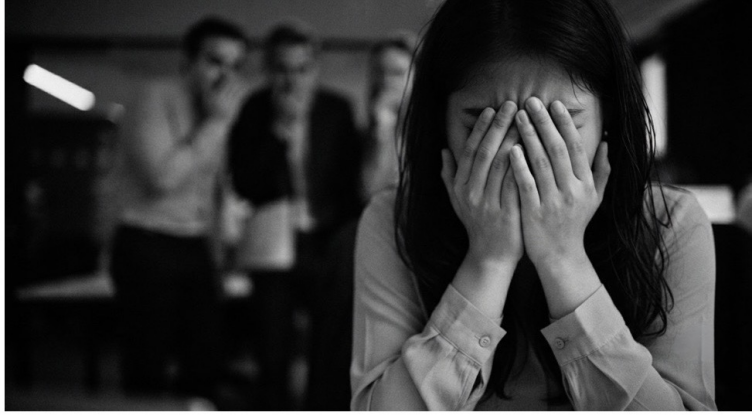
Others question that if she cares about moral practice, she should speak against homosexuality as well, including calling for a ban. While others bullied her by sharing pictures of her in bikinis, saying if any practice should be banned, it is her dressing which they claimed promotes immorality.
“I blame the very people who have made this a public discussion to the point that a person like you with zero knowledge would have the strength to come on Facebook to be writing all these things,” one commenter wrote. “Tell all your lawmakers, it’s an open challenge—let them pass any bill that will demonize or abolish our culture in the name of so-called modernization. We are at the gate waiting for them.”
“These practices were the pride of our mothers. There were good and great aspects of them. They were taught a lot about culture and traditions. We can’t eliminate our culture but we can make some adjustments and remodernize it. Stop putting your mouth in the old people’s practice—you are a sell out,” another commenter added.
And another said: “If there is anything that should be banned, it should be all the naked pics you have been posting in public.”
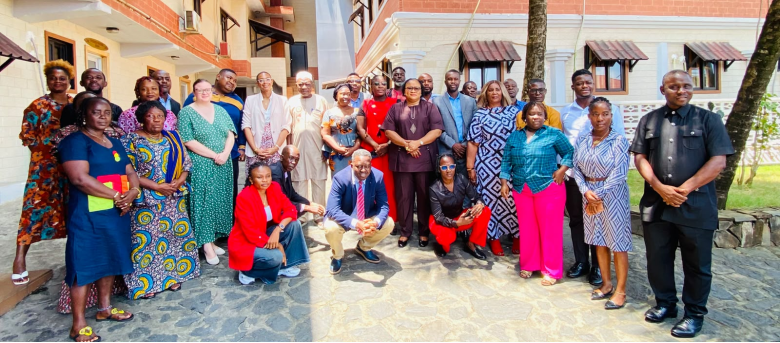
Despite the backlash, Wokie appeared not discouraged as she made a follow-up post, that she would soon be traveling to counties to engage traditional leaders and other stakeholders, to end FGM and child marriage, which she argues is uncultured.
“My team and I will be heading to Lofa, Bong, and Margibi to engage traditional leaders and stakeholders on ending this harmful practice. We can’t keep calling it ‘culture’ when it causes pain and robs girls of their rights.
“I believe that it’s time for conversations and bold actions as I look forward to your continued support and partnership as we work together for a safer and more inclusive Liberia,” she said.
Wokie, who has been a long-time advocate against FGM, and child marriage, her latest push comes as President Boakai has submitted a bill to the Legislature titled “An Act to Ban Harmful Cultural Practices in Liberia.”
While President Boakai’s Bill has divided opinion, it seeks to prohibit female circumcision (FGM), child marriage, and other cultural practices that contravene Liberia’s commitments under international treaties, including the Convention on the Rights of the Child, the Convention on the Elimination of All Forms of Discrimination Against Women, and the Maputo Protocol.
According to the United Nations Population Fund (UNFPA), FGM affects a significant proportion of Liberian women between the ages of 15 and 49, with prevalence rates as high as in some rural community counties. The practice is often seen as a rite of passage into womanhood — yet in some cases, it leads to severe health complications, including hemorrhage, infections, infertility, and even death.
Despite Liberia’s 2018 executive order banning FGM for minors, no national law has been enacted to criminalize the practice as lawmakers from rural areas fear political backlash from voters who traditionally favor FGM practices over urban dwellers.
However, rights advocates have described President Boakai’s bill as a historic opportunity “to protect the dignity, rights, and health of all Liberians, especially women and children who remain vulnerable to practices that have long undermined their well-being.”
In his communication to the Legislature, President Boakai noted that the legislation establishes penalties for violations, provides support and protection services for victims, and mandates robust monitoring and enforcement mechanisms.
Support Independent Journalism
Your support helps FrontPage Africa continue delivering independent, credible, and impactful journalism. Every contribution strengthens our ability to investigate, inform, and hold power accountable while keeping quality journalism accessible to our readers.
Support our journalism or subscribe to receive the latest FrontPage Africa stories and updates.