MONROVIA — When the senior national team of Liberia, affectionately nicknamed the “Weah XI,” drew the curtain on January 28, 2002, following a 1–0 loss to Nigeria in their final group match of the Mali 2002 Africa Cup of Nations (AFCON), it marked the end of the most intriguing chapter in Liberian football history.
By Wleh Bedell
In its wake, a new generation came to the fore as a host of promising young talents stepped into the international limelight.
Promising prospects including Anthony Snoti Laffor, Francis Forkey Doe (alias “Grandpa”), Zah Rahan Krangar, Dioh Williams, Varney Boakai, Henry Zobon, Gobah Krangar, James Koko Lomell, Isaac Zola Pupo, Murphy Nagbe, Frederick Vah, Sekou Jabateh Oliseh, Stephen Mennoh, John Tarkpoh Sonkailey, Ben Teekloh, Eddie Boakai Foday, Johnny Bleedee, Varney Sieh, Mark Rennie, and George Baysah, Nathaniel Sherman among many others, joined the national team setup at various intervals.
However, while it signaled the birth of a new era, several old guards from the Weah-led generation remained involved to provide guidance. Veterans such as Joe Nagbe, James Salinsa Debbah, Christopher Wreh, Louis Crayton, George Gebro, Dulee Johnson, Zizi Roberts, and Isaac Tondo featured for brief periods to help transition the squad.
This revamped Lone Star side got off to a competitive start in the 2004 AFCON qualifiers. Paired in a group with Guinea’s Syli Nationale, Liberia opened their campaign on September 8, 2002, with a 3–0 away defeat in Conakry, featuring a team that integrated veterans Louis Crayton, George Gebro, Jimmy Dixon, Prince Daye, Frank Seator, and Alvin “Power” Kieh.
Prince Daye then netted the solitary goal in Liberia’s second group fixture against Niger at the Samuel Kanyon Doe (SKD) Sports Complex.
After a blistering strike from substitute Henry Zobon rattled the crossbar, Daye reacted quickly to slot home the rebound, securing a 1–0 victory for the Lone Star following an earlier penalty miss by Christopher Wreh.
Ethiopia rounded out the group opponents for that campaign.
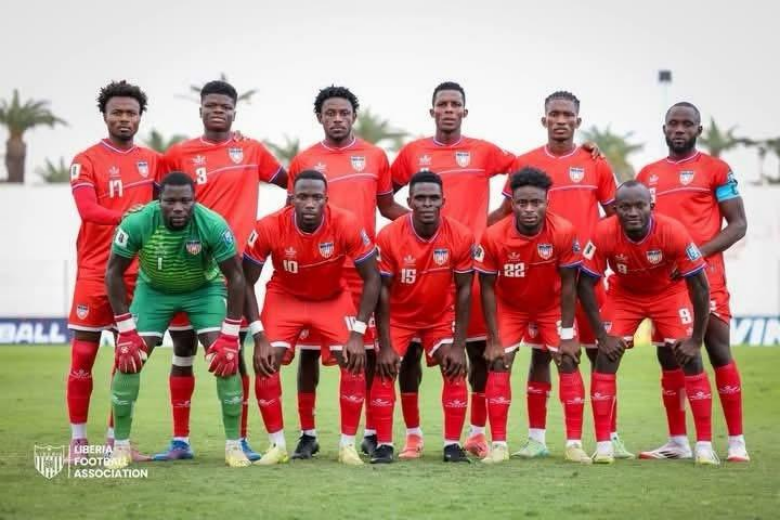
Fast-forward to 2026 after 24 years and 12 qualification cycles, the red, white, and blue outfit have consistently failed to reach a third AFCON tournament (having only qualified for the 1996 and 2002 finals) as the 2027 qualification campaign approaches.
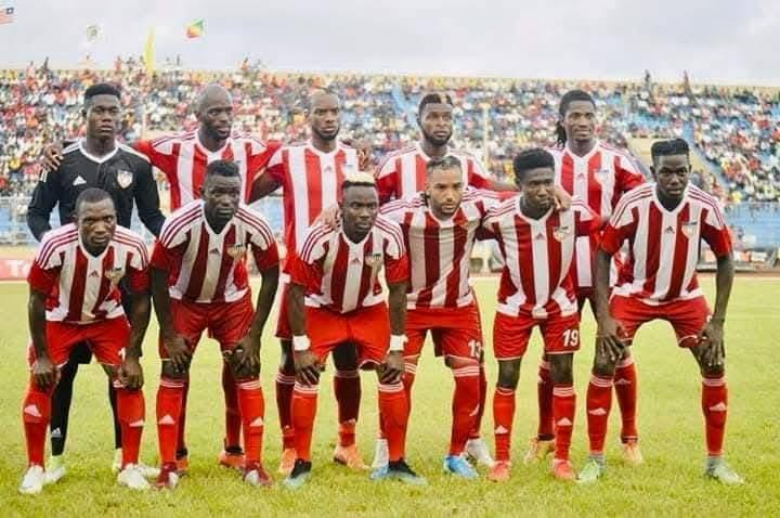
Across those 12 qualifying series, the Lone Star played 68 competitive AFCON qualifying matches, registering just 17 victories (including one awarded via protest against Equatorial Guinea for fielding an ineligible player), 14 draws, and 37 losses.
Over this period, Liberia scored 57 goals while conceding 123 averaging 0.84 goals scored and 1.81 goals conceded per match.
The Lone Star’s biggest victory came in the 2017 AFCON qualifiers via a 5–0 trouncing of Djibouti in Monrovia, highlighted by a William Jebor hat-trick.
Conversely, the team’s heaviest defeats were matching 6–1 thrashings away to Senegal and Nigeria during the 2006 and 2013 qualifying campaigns, respectively.
The team’s fastest goal during this 24-year stretch was scored by Dioh Williams in just the second minute against Mali in the 2010 AFCON qualifiers.
Meanwhile, William Jebor’s strike in the 90+4th minute against Djibouti on March 29, 2016, stands as the latest goal recorded for the Lone Star.
William Gibson and Patrick “Ronaldinho” Wleh also netted late goals in the 90th and 90+2nd minutes against Mali and Togo, respectively.
On the defensive end, the fastest goal conceded came in the 4th minute against Titi Camara of Guinea in the 2004 qualifiers.
The latest decisive goal conceded was a 90th-minute penalty converted by Niger’s Al-Hassan, inflicting a painful 1–0 away defeat during that same campaign.
With the other 15 West African nations regularly competing in various AFCON tournaments and several former continental minnows metamorphosing into highly competitive sides the Lone Star remain in footballing oblivion from an AFCON perspective.
Devoted supporters are left in despair as stakeholders continue to ponder the way forward.
Will the glory days ever return? Can the jinx finally be broken? Is there a tangible antidote to revive the national team, or is the task simply impossible?
These remain just a few of the lingering questions demanding answers.
Support Independent Journalism
Your support helps FrontPage Africa continue delivering independent, credible, and impactful journalism. Every contribution strengthens our ability to investigate, inform, and hold power accountable while keeping quality journalism accessible to our readers.
Support our journalism or subscribe to receive the latest FrontPage Africa stories and updates.