MONROVIA — Liberia must rethink its development strategy and build stronger systems capable of withstanding economic, climate, health and geopolitical shocks, participants at a high-level development dialogue convened by the United Nations Development Programme (UNDP) have warned.
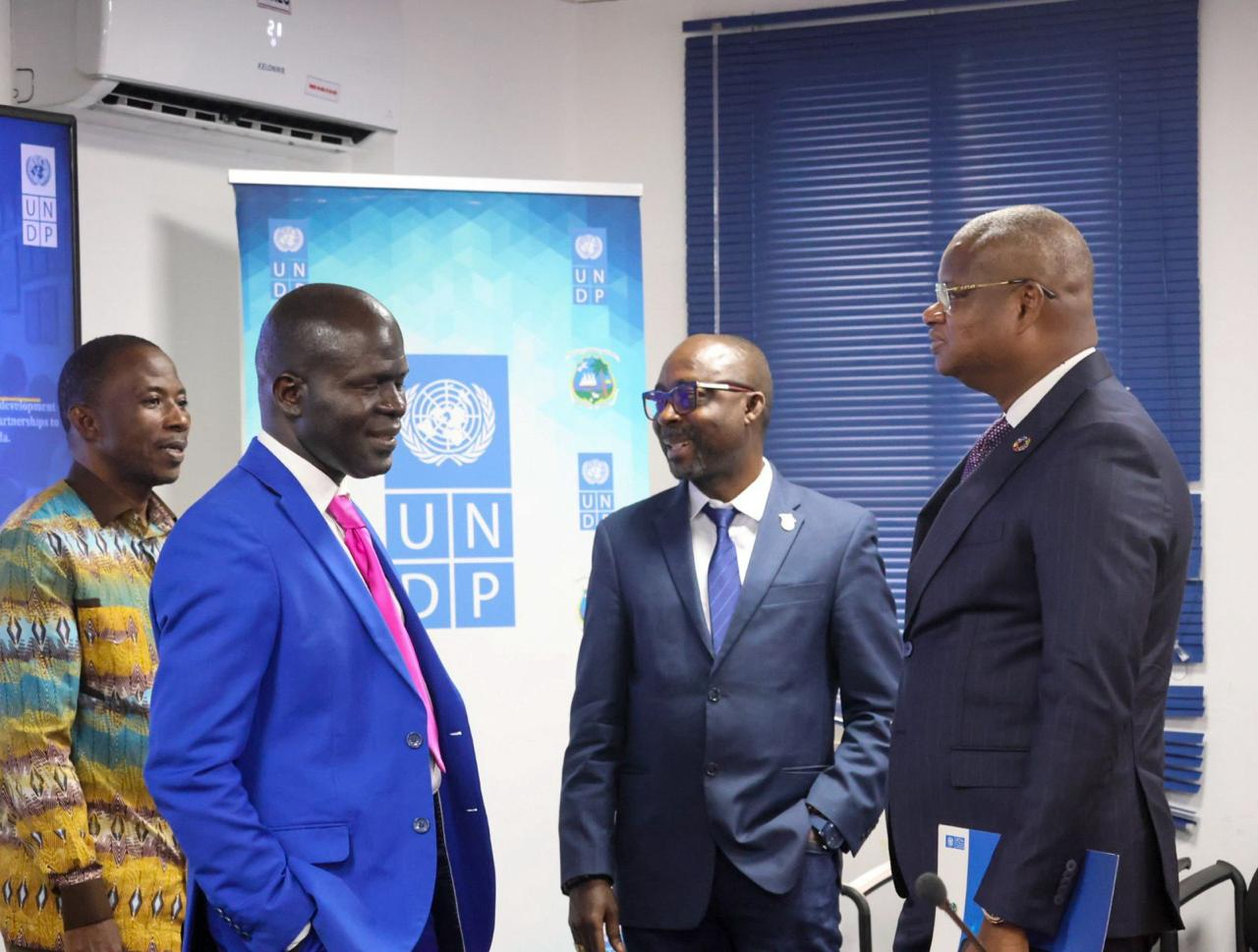
The September 3, 2026 dialogue, held under the theme “Navigating Development in a World of Crisis: Resilience, Equity and Planetary Stewardship,” brought together senior government officials, United Nations agencies, international financial institutions, civil society organizations, academia and private-sector representatives to examine how Liberia can protect development gains while preparing for an increasingly uncertain global environment.
The discussions centered on a fundamental question: How can Liberia safeguard its development gains and build a future that is resilient, inclusive and sustainable?
UNDP Resident Representative Aliou Mamadou Dia called for resilience to become a central pillar of Liberia’s national development planning.
“The world may be becoming more uncertain, but our response can be more coordinated, more innovative and more resilient,” Dia said.
The dialogue emphasized that resilience should go beyond recovering from crises. It should involve anticipating risks, strengthening institutions, empowering communities and building systems capable of absorbing future shocks without sacrificing hard-won development gains.
A New Development Approach
Participants said Liberia can no longer afford fragmented approaches to development, particularly as climate-related disasters, disruptions to food systems, global supply-chain challenges and other cross-border shocks increasingly threaten developing economies.
They argued that Liberia’s development strategy must better connect governance, economic growth, social cohesion, environmental protection and climate resilience.
The discussions also highlighted the need for stronger coordination among government institutions, development partners, communities and the private sector.
Financing Liberia’s Future
Financing sustainable development emerged as one of the central challenges confronting Liberia.
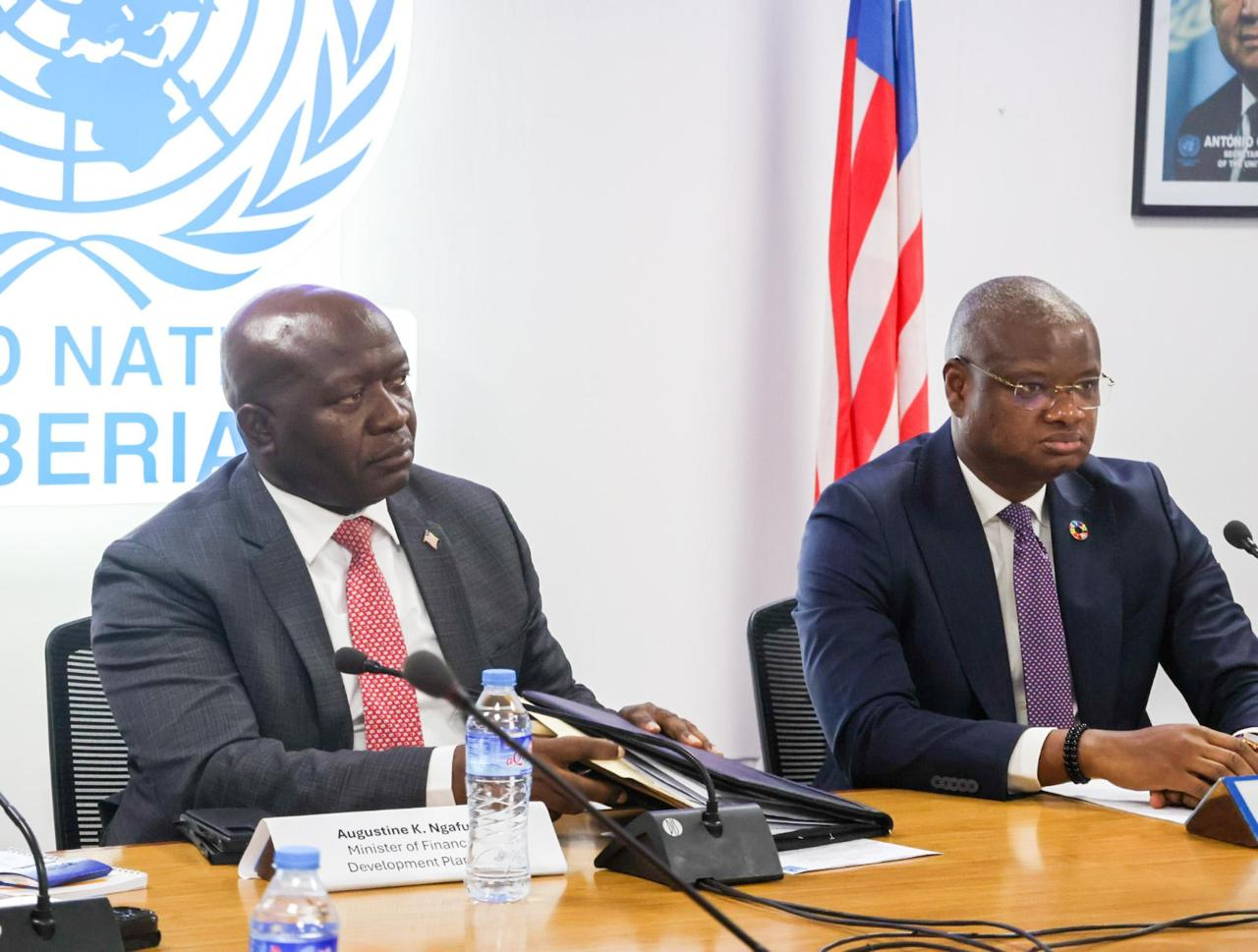
Finance and Development Planning Minister Augustine K. Ngafuan acknowledged that while Liberia cannot completely insulate itself from global crises, the country can improve its preparedness through strategic investments, stronger institutions and more effective management of national resources.
Participants called for increased domestic resource mobilization, improved public financial management and greater accountability in ensuring that public resources translate into measurable improvements in citizens’ lives.
The dialogue also examined alternative financing mechanisms, including blended finance, concessional funding and responsible private-sector investment.
The broader message was that Liberia’s development cannot depend indefinitely on external assistance. Sustainable progress, participants said, must increasingly be anchored in strong national systems, effective governance and a vibrant private sector capable of creating jobs, attracting investment and expanding economic opportunities.
Youth at the Center of Liberia’s Future
Beyond infrastructure and economic growth, participants stressed that Liberia’s most important development asset remains its people.
Women, young people, persons with disabilities and other marginalized groups often face the greatest hardships during periods of crisis, making inclusion a critical component of national resilience.
With one of Africa’s youngest populations, Liberia has significant untapped human potential, participants noted.
They called for greater investment in education, skills development, entrepreneurship, digital innovation and green employment opportunities to enable young Liberians to contribute more meaningfully to the country’s economic transformation.
Participants emphasized that youth empowerment should not be viewed solely as a social obligation, but as an economic strategy capable of driving innovation, productivity and long-term prosperity.
Liberia’s Natural Wealth as an Economic Asset
Liberia’s forests, biodiversity, wetlands and coastal ecosystems also featured prominently in the discussions.
Participants challenged the notion that environmental protection and economic development are competing priorities, arguing instead that responsible management of Liberia’s natural resources can strengthen livelihoods, improve food security, increase climate resilience and create sustainable economic opportunities.
With global demand growing for climate and biodiversity solutions, Liberia could potentially access new sources of environmental financing while protecting the ecological resources on which communities and future generations depend.
Participants therefore called for environmental stewardship to be fully integrated into national development planning and investment decisions.
Trust and Strong Institutions
Another recurring concern was public trust.
Speakers stressed that development requires more than policies and financing. It also depends on institutions that citizens trust and that consistently deliver services and results.
UN Resident Coordinator a.i. Dr. Olushayo Olu highlighted the importance of multilateral cooperation in addressing interconnected global challenges, while emphasizing the need for strong institutions capable of delivering services, maintaining social stability and creating an environment conducive to investment.
Deputy Foreign Minister for International Cooperation and Economic Integration Dr. Ibrahim Nyei similarly underscored the importance of trust in strengthening governance, social cohesion and partnerships.
Their interventions reflected a broader consensus that development is more likely to succeed when citizens have confidence in public institutions, governments operate transparently and partnerships are built around shared responsibility and accountability.
Three Shifts for a Resilient Liberia
At the conclusion of the dialogue, participants identified three major shifts they believe could help Liberia navigate an increasingly unpredictable development environment:
- From fragmented interventions to integrated solutions;
- From reacting to crises to investing in resilience before shocks occur; and
- From externally driven development models to stronger national ownership and leadership.
The proposed shifts, participants said, represent more than policy recommendations. They offer a framework for building a Liberia capable of adapting to uncertainty while continuing to pursue inclusive and sustainable development.
A Shared Responsibility
The dialogue ended with a recognition that no single institution can address Liberia’s development challenges alone.
Government, development partners, the United Nations, civil society, communities and the private sector must work together to strengthen the country’s resilience and expand opportunities, participants said.
As Liberia confronts increasingly complex global challenges, the discussions produced an optimistic message: resilience can be built, opportunities can be expanded and sustainable development remains achievable when national leadership, innovation and partnerships converge around a common purpose.
Minister Ngafuan captured the challenge in a closing observation:
“Development is not measured only by how fast a country moves when the road is smooth. It is also measured by how firmly a country stands when the road becomes rough.”
For Liberia, the road ahead remains challenging. But the UNDP dialogue underscored a growing determination among policymakers and development partners to ensure that the country does more than survive its next crisis—it builds the institutions, systems and human capacity needed to emerge stronger from it.
Support Independent Journalism
Your support helps FrontPage Africa continue delivering independent, credible, and impactful journalism. Every contribution strengthens our ability to investigate, inform, and hold power accountable while keeping quality journalism accessible to our readers.
Support our journalism or subscribe to receive the latest FrontPage Africa stories and updates.