MONROVIA — The Environmental Protection Agency (EPA) has turned the lens on itself, unveiling its first Gender Policy and a refreshed national Climate Change Gender Action Plan, and warning its own managers that the commitments must show up in everyday decisions rather than gather dust on shelves.
By Selma Lomax, [email protected]
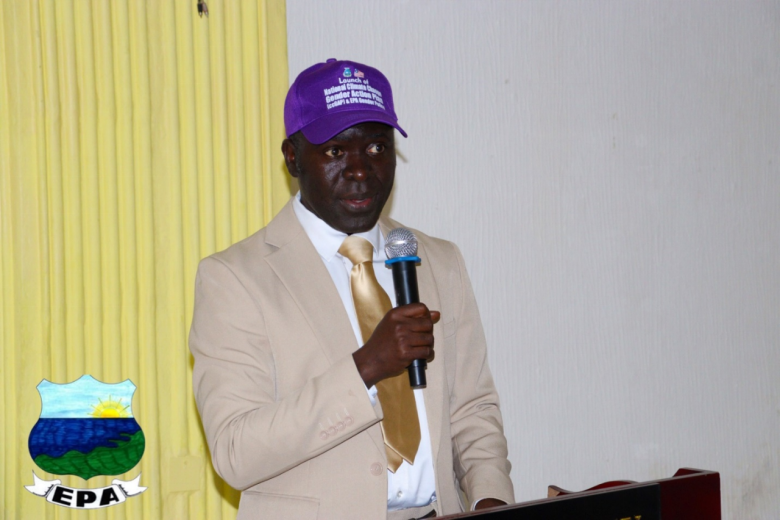
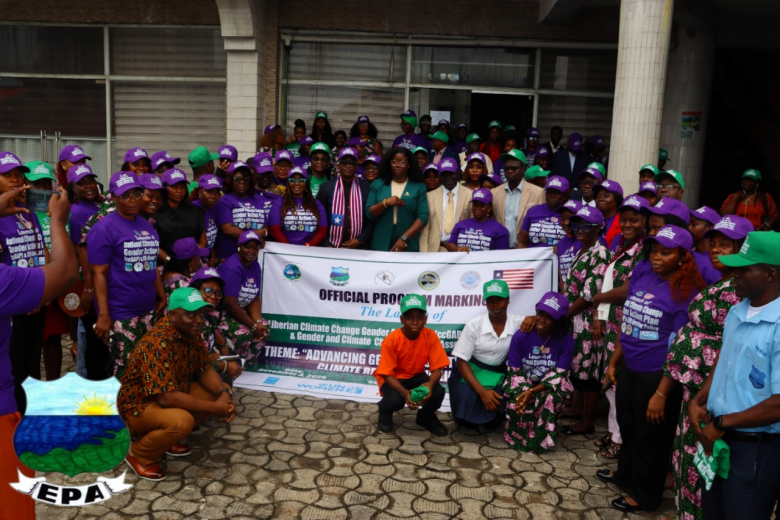
Executive Director Dr. Emmanuel K. Urey Yarkpawolo made the declaration on Tuesday at the Corina Hotel in Sinkor, where the two documents were launched under the theme “Advancing Gender Equality for Inclusive Climate Resilience in Liberia.”
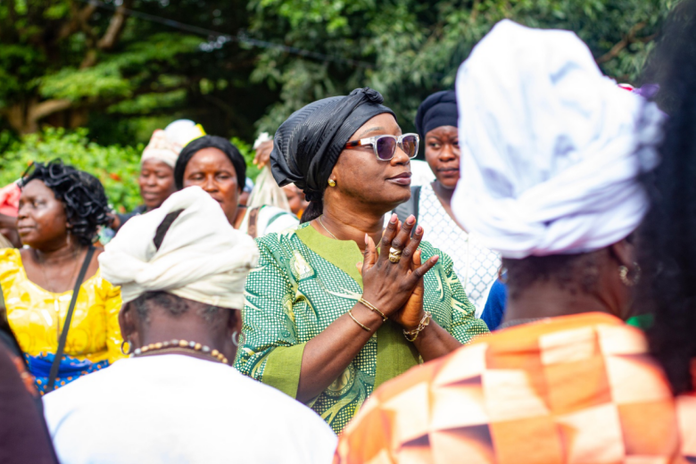
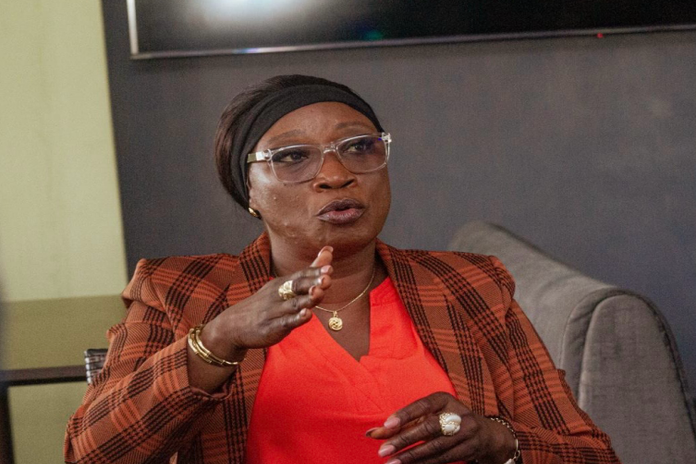
Gender, Children and Social Protection Minister Gbeme Horace-Kollie joined government officials, development partners, and representatives of civil society, women’s and youth groups, and persons with disabilities at the event.
“A matter of people’s lives”
Opening his address, Dr. Yarkpawolo argued that environmental work cannot be separated from the people it is meant to serve. The theme of the launch, he said, reflects the kind of institution and country Liberia is trying to build.
He painted a picture of those at the heart of the agenda: a woman farming to feed her family, a young person looking for work, and a person with a disability who deserves an equal chance to contribute. Policies, he said, must recognize their circumstances and open doors for them to take part.
Findings that shaped the policy
The EPA’s first Gender Policy did not emerge in a vacuum. According to the Executive Director, it was shaped by an institutional gender assessment, consultations with staff and stakeholders, and a review of existing policies.
The assessment credited the Agency with progress but also exposed a gap: gender considerations had not yet been woven fully into the Agency’s work.
To address that, the policy sets out practical guidance on hiring and promotion, training, leadership, workplace culture and accountability. It also tackles discrimination and sexual harassment head-on. Dr. Yarkpawolo said every employee should be able to grow professionally in a workplace that protects dignity and safety.
Linking gender to national climate goals
The second document, the updated Climate Change Gender Action Plan, takes forward an earlier plan. It was developed through research, stakeholder consultations and training, with support from UN Women, and it ties gender equality to Liberia’s national climate pledges under NDC 3.0.
The plan focuses on eight sectors: agriculture and food security, coasts and fisheries, forestry, health, water and sanitation, waste, energy, and transportation.
Its core argument, the EPA chief explained, is that climate change does not hit everyone equally. Differences in access to land, finance, information and decision-making mean some people are far more exposed than others. He pointed to a woman farmer who may read shifting rainfall patterns better than most, yet lacks the means to adapt. Climate programmes, he said, should tap such knowledge while removing the obstacles she faces.
Early steps already taken
Dr. Yarkpawolo told the audience the Agency is not starting from zero. Among the steps already taken, he said, is the elevation of the gender function to senior management, ensuring it has a stronger voice where institutional decisions are made.
The Agency has also invested in women’s skills, including international training for its women environmental inspectors. Stronger skills, he said, improve the Agency’s ability to monitor environmental conditions and protect communities.
He singled out Madam Madrid Chuka Piah, head of the EPA’s radiation laboratory, as proof of what women are contributing in specialized scientific roles.
The Agency has likewise hired persons with disabilities, whom he said strengthen the institution. Even so, he acknowledged the work is unfinished, saying the EPA must keep adapting its workplace so they can participate fully.
Tough questions ahead
With the documents now launched, the Executive Director shifted from planning to performance. The Gender and Climate Change Baseline Assessment process, he said, helped pinpoint gaps; implementation must now close them, measure progress and flag where more action is needed.
He listed the questions that will guide that scrutiny. Are women benefiting from training and promotion? Can persons with disabilities participate in a meaningful way? Are climate projects reaching those facing the steepest barriers? Do budgets actually back the promises made?
No department left out
Dr. Yarkpawolo was unambiguous about who carries the load. He expects every department to take responsibility for implementation. The Gender Unit will guide and coordinate, but managers across the Agency must bring these commitments into their daily decision-making.
Beyond the EPA’s walls, he called for cooperation across government and sustained partnership with civil society, communities and development partners. Clear responsibilities, sufficient resources and regular monitoring, he said, will determine whether the policies succeed.
The Executive Director thanked Gender Coordinator Madam Grace Biah and her team, the Ministry of Gender, Children and Social Protection, technical experts, and all others who contributed. He reserved special appreciation for UN Women for backing the update of the Climate Change Gender Action Plan.
Support Independent Journalism
Your support helps FrontPage Africa continue delivering independent, credible, and impactful journalism. Every contribution strengthens our ability to investigate, inform, and hold power accountable while keeping quality journalism accessible to our readers.
Support our journalism or subscribe to receive the latest FrontPage Africa stories and updates.