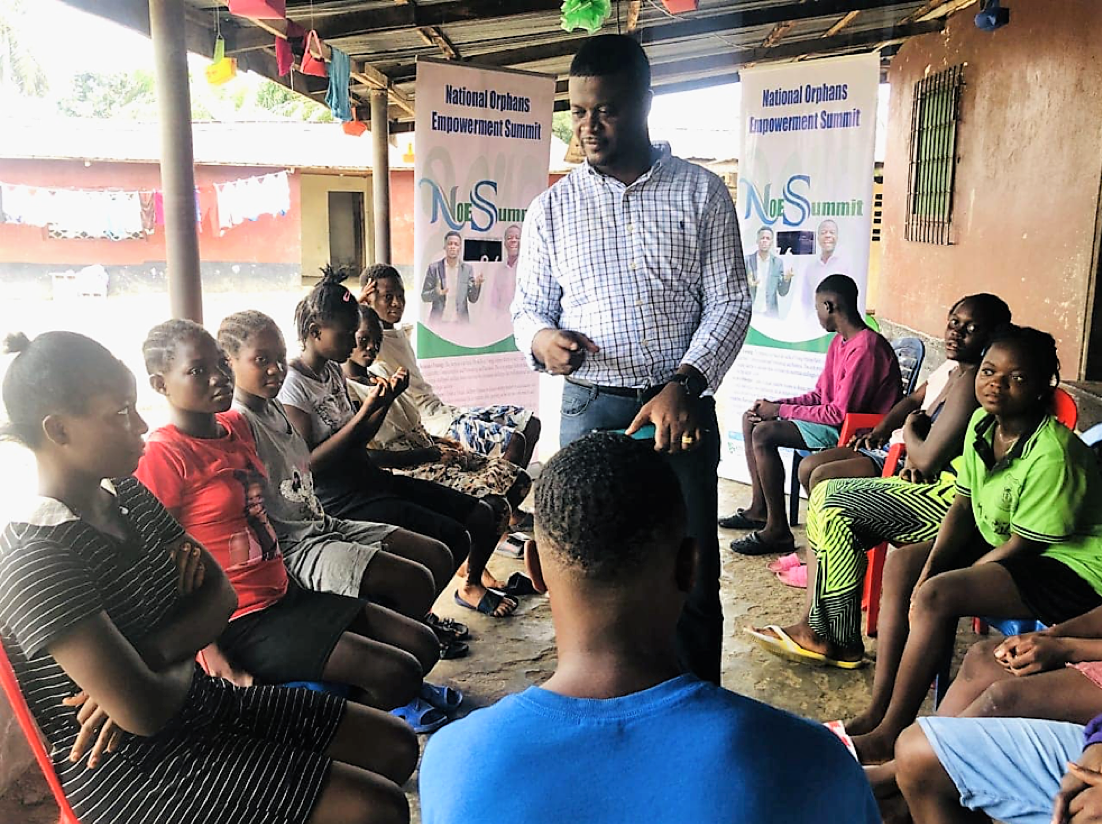
MONROVIA – The Executive Director of Orphans Concern says children staying at various orphanages across Liberia remain most vulnerable to the outbreak of the new variant of the Coronavirus pandemic due to the lack of adequate budgetary support from the Coalition for Democratic Change (CDC) led government of President George Manneh Weah and other Non-Government Organizations (NGOs) operating in the country.
Mr. Amos Sawboh said despite the unprecedented increase in the number of confirmed COVID-19 cases in the country, most orphans are compelled to sell on the streets, beg or engage into unwholesome practices just to find something to put in their stomach due to the lack of proper government and others support to cater to their wellbeing.
He added that Covid-19 pandemic would rage hell at various orphanages if the Liberian government and its partners failed to see reason to provide the necessary supports to these orphanages.
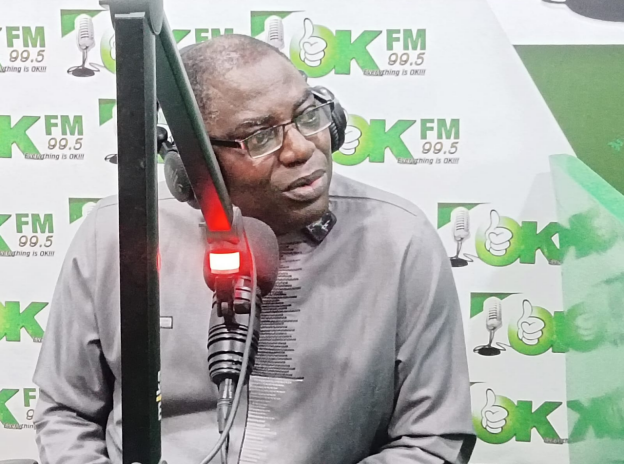
He made these assertions in an interview with FrontPage Africa via telephone on Tuesday, July 7, 2021.
“Looking at the population in Liberia and considering the challenges we are faced with, children in orphanages will be affected the most from the new Delta variant of Covid-19 if they are not given the needed support. These are critical times for them and the level of vulnerability for them is very high”.
Mr. Sawboh named the lack of food, sanitary and preventive materials, including chlorax, tye soap, hand washing materials, nose masks, among others as some of the major items that are not visible at various orphanages across the country in the midst of the pandemic.
According to him, some authorities and owners at orphanages in Liberia are already stressed and overwhelmed as a result of expending their own finances on catering and providing the basic necessities for these orphans, and as such, they are not in a better position presently to go the extra mile by providing hand washing and preventive materials and others for orphans staying at their respective homes.
He indicated that the agricultural activities few orphanages were engaged into prior to the new outbreak of the virus to ease some of the difficulties authorities encountered in finding and providing food to these orphans have also subsided as a result of the increase wave of COVID-19 cases in Liberia.
Mr. Swaboh termed as “appalling” the overall living condition of children staying at various orphanages across Liberia.
He said most of these orphans do not have access to square meal a day as compare to their friends who are living with their parents and guardians.
Mr. Sawboh further called on government and partners to ensure the provision and distribution of what he termed as “emergency ration or package” to various orphanages across the country in a bid to guarantee the safety and wellbeing of orphans.
He maintained that regardless of their situation, orphans too are Liberians and as such, they should adequately benefit from the wealth and resources of the country as compare to others.
“At this critical time, there is a need for emergency ration to be distributed to orphanages across the country to enable them have the things that are needed. Their lives will be at risk if they are not supported at this time. ”.
He emphasized that good will institutions or individuals and philanthropists should also join hands with government and put smile on the faces of these less fortunate Liberian citizens.
Prioritizing the wrong people
Speaking further, Sawboh questioned the rationale behind the decision taken by the Government of Liberia (GOL), through the Ministry of Finance and Development Planning to disburse the amount of US$15,000 each to members of the 54th National Legislature in the midst of the combat of the Coronavirus pandemic.
The money was given to each Senator and Representative by the government for “legislative engagement” with their constituents.
But Saawboh observed that despite the disbursement of the money, almost all of the lawmakers have not been able to engage or identify with the vulnerable population in their respective districts, especially orphans.
“In this country, we need to know what our priorities are. The children are going through this health crisis right now and not much they can get but we prioritized the lawmakers over the less fortunate people in this country. US$15,000 is not small money to give to lawmakers who are not vulnerable. We have lot of vulnerable people in the orphanages across the country and you take US$15,000 to give to one lawmaker?”
Don’t shun them
Meanwhile, Sawboh has urged owners and authorities at various orphanages and other philanthropic citizens to avoid shunning orphans during this critical period in the history of the country.
According to him, orphans too deserve the right to live a decent life and as such, the necessary support and opportunities must be accorded them if they must be successful in the future.
He said community dwellers and others can better care for these children within their various communities instead of taking them at the orphanages.
Sawboh noted that though there may be some level of skepticism whether homeless children are orphans, citizens within the communities should see reason to embrace and help provide support to them.
“I don’t think it is the best thing to do now to take the children to the orphanage. This is a time that we all rally as a nation and see how best we can go the extra mile and help the vulnerable population. People in the communities can provide nose masks and food for the orphans”.
“Liberia is for all Liberians. For the nation we live in, there will always be orphans. It is about time that we rally the country to provide additional care for orphans. The best thing we can do to give them that future they deserve or see how they can have a life like us, is to treat them like our children”.
Support Independent Journalism
Your support helps FrontPage Africa continue delivering independent, credible, and impactful journalism. Every contribution strengthens our ability to investigate, inform, and hold power accountable while keeping quality journalism accessible to our readers.
Support our journalism or subscribe to receive the latest FrontPage Africa stories and updates.