Monrovia – Judge Ousman F. Feika’s decision to vacate the acquittal of former Finance Minister Samuel D. Tweah Jr. and order the arrest of all 15 jurors may become one of the most consequential judicial rulings in Liberia’s post-war legal history.
By Willie N. Tokpah
Observers say the decision goes far beyond one corruption case. It raises fundamental questions about the sanctity of jury verdicts, the limits of judicial authority, the constitutional protection against double jeopardy, and public confidence in the justice system.
In a nine-page investigative report issued Tuesday, Judge Feika concluded that the jury’s verdict was compromised by widespread misconduct, including the unauthorized use of mobile phones during sequestration, communications with individuals outside the jury quarters, and an alleged coordinated effort by jurors to conceal their actions during the court’s subsequent investigation.
The ruling declares the May 8 verdict a mistrial and orders a new trial, marking one of the most consequential judicial decisions in Liberia’s post-war legal history.
Court Says Verdict Was “Contaminated”
According to the report, the court found “clear evidence of jury tampering and jury misconduct” after reviewing sworn testimony from jurors, analyzing hundreds of pages of mobile phone records from Orange Liberia and Lonestar MTN, and conducting weeks of hearings.
Judge Feika concluded that the integrity of the verdict had been undermined.
“The evidence having established gross jury tampering and misconduct, and the jury’s conduct having contaminated and tainted the verdict returned on May 8, 2026, the trial… is hereby declared a mistrial. The verdict is accordingly set aside, and a new trial is ordered,” the ruling states.
‘Phone Records Contradicted Jurors’ Testimony’
Central to the court’s findings was a forensic analysis of telephone records subpoenaed from Liberia’s two GSM providers.
The report says the records demonstrated that multiple jurors secretly carried mobile phones and SIM cards into the jury quarters despite explicit court orders prohibiting such devices during sequestration.
The analysis allegedly showed jurors making and receiving dozens of calls and text messages throughout the trial.
The court specifically identified jurors Johnathan Bundoo, Arnold Vincent and Maximum Dillon as coordinating communications between jurors inside the quarters and persons outside.
Investigators also found that two unidentified telephone numbers repeatedly contacted numerous jurors during sequestration, prompting Judge Feika to order that the owners of those numbers be identified and prosecuted if evidence supports criminal charges.
‘Affiants’ Testimony Backed by Phone Evidence’
The investigation stemmed from sworn affidavits filed on May 15 by three jurors alleging widespread misconduct during the trial.
The report says jurors Cynthia Sarplah and Catherine Quawah consistently testified that several jurors possessed phones inside the jury quarters and regularly communicated with outsiders.
Quawah admitted violating court instructions by arranging for her boyfriend to secretly deliver a phone to the courthouse bathroom, where she retrieved it before taking it into the jury quarters.
Judge Feika found that the testimony of the three affiants was corroborated by the mobile phone records and described their accounts as truthful and consistent.
The court also concluded that several jurors attempted to obstruct the investigation itself.
According to the report, jurors met before the hearings resumed and allegedly agreed to deny that any phones had been present during sequestration.
One juror, George Dennis, allegedly telephoned fellow juror Catherine Quawah to discuss the agreed strategy.
Unknown to Dennis, Quawah recorded the conversation.
The report states that when the recording was played in open court, Dennis acknowledged that the voice on the recording was his.
Judge Feika described the conduct as an attempt to tamper with the court’s investigation by concealing material evidence.
Juror Accused of Misleading the Court
The report also singles out juror Arnold Vincent, who allegedly told the court before sequestration that his phone had been stolen during a burglary the previous night.
However, investigators later found that Vincent’s registered telephone numbers remained active throughout the trial and appeared repeatedly in the call records.
Judge Feika concluded that Vincent deliberately misled the court in order to conceal his plan to communicate while sequestered.
Court Rejects Romantic Relationship Allegation
The investigation also examined allegations that prosecutor Cllr. Augustine Fayiah maintained a romantic relationship with jury forelady Harriet Togba.
Judge Feika said investigators found no evidence supporting the claim and dismissed it as an unsubstantiated distraction from the core issues.
Entire Jury Ordered Arrested
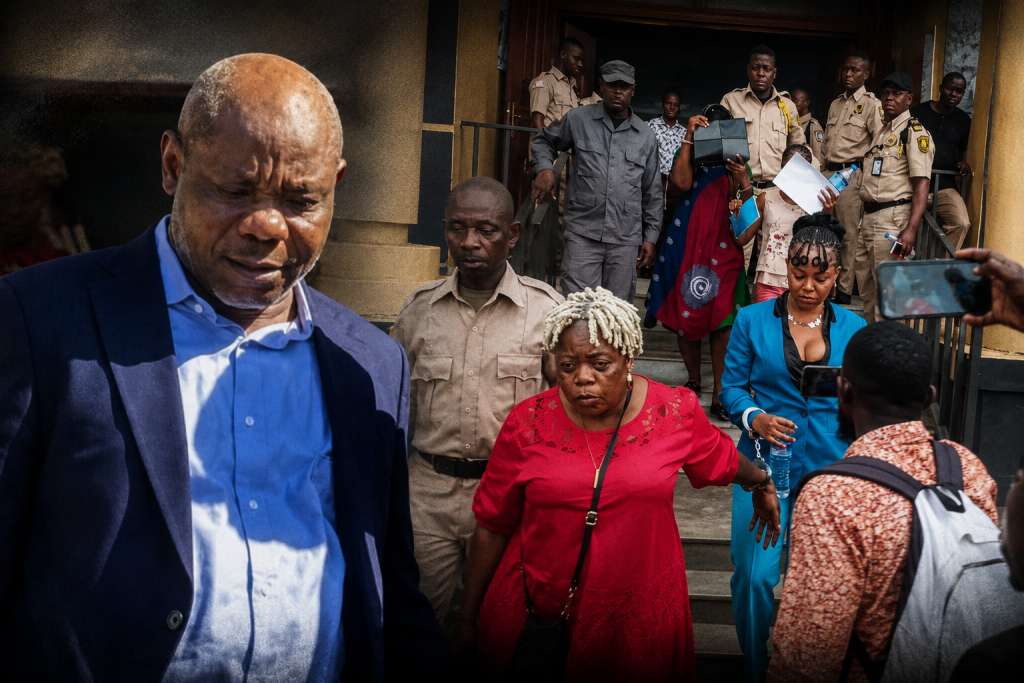
As a consequence of the findings, Judge Feika ordered all 15 jurors arrested, incarcerated at the Monrovia Central Prison, and turned over to the Ministry of Justice for prosecution on allegations of gross jury tampering and jury misconduct.
The court further ordered investigators to identify anyone who communicated with jurors during sequestration and prosecute them if evidence establishes their involvement in influencing the jury.
Constitutional Battle Looms
While Judge Feika grounded his decision in several Supreme Court precedents recognizing a trial court’s authority to investigate jury misconduct, legal observers say the ruling is almost certain to trigger constitutional litigation.
The central legal question is whether an acquittal can be vacated after a court determines that the jury itself was compromised.
Defense lawyers for Tweah have consistently argued that the acquittal cannot be overturned because Liberia’s Constitution protects defendants from double jeopardy.
The ruling now sets the stage for what is expected to become a landmark Supreme Court battle over the balance between preserving the finality of jury verdicts and protecting the integrity of Liberia’s judicial process.
Support Independent Journalism
Your support helps FrontPage Africa continue delivering independent, credible, and impactful journalism. Every contribution strengthens our ability to investigate, inform, and hold power accountable while keeping quality journalism accessible to our readers.
Support our journalism or subscribe to receive the latest FrontPage Africa stories and updates.