A Conversation About Public Accountability, Unequal Scrutiny, and the Expectations Placed on Elected Representatives
In Liberia, whenever the issue of public officials’ salaries, benefits, and privileges comes up, lawmakers often find themselves at the center of public criticism. Members of the House of Representatives and the Senate are frequently accused of earning too much, enjoying excessive benefits, and living beyond the means of ordinary citizens. While public scrutiny of lawmakers is legitimate and necessary, an important question deserves equal attention: Why do lawmakers appear to attract more public criticism over their compensation than some officials in the Executive Branch, who may receive comparable or even higher salaries and benefits?
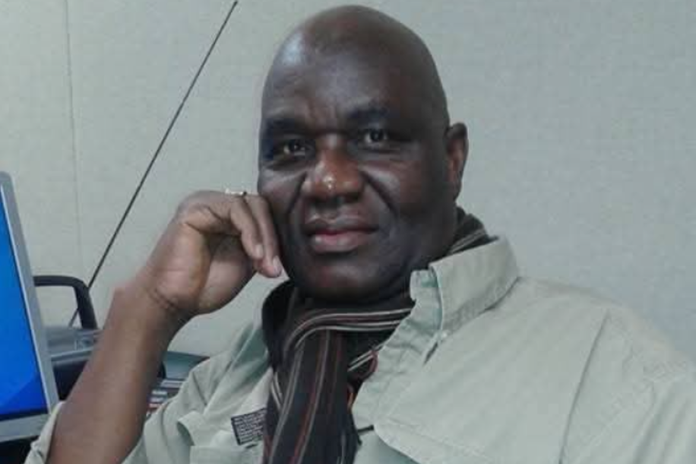
By: Amb. Robert Benjamin Haynes ; Director of Press & Public Affairs House of Representatives
This question is not intended to excuse lawmakers from accountability. Rather, it calls for fairness, consistency, and transparency in how Liberians evaluate the compensation and privileges of all public officials.
The Lawmaker’s Home: A Public Help Desk
One major difference between lawmakers and many other public officials is the level of direct contact they have with ordinary citizens.
For many Liberians, a representative’s home is more than a private residence. It can become an informal public assistance center where constituents arrive with urgent needs and personal problems. Some seek money to pay rent, others need assistance purchasing zinc to repair their homes, paying school fees, starting small businesses, or meeting medical and other family expenses.
These requests can come from people the lawmaker knows personally, as well as constituents who may have never met the representative before but believe their elected official is responsible for helping them.
This creates a unique social and financial pressure. Although lawmakers are elected primarily to make laws, represent their constituents, approve national budgets, and exercise oversight over government institutions, many citizens also expect them to provide direct financial assistance from their personal resources.
When a lawmaker cannot meet these expectations, the disappointment can quickly turn into criticism. Yet the public rarely asks whether other senior government officials face the same daily demands or whether their compensation is being discussed with the same intensity.
Why Is the Executive Branch Not Examined With the Same Intensity?
Liberia’s government has several branches, and public accountability should apply to all of them. The Executive Branch includes senior officials responsible for implementing government policies, managing ministries and agencies, and administering public resources.
If some executive officials receive monthly compensation exceeding US$9,000, as is sometimes claimed in public discussions, citizens deserve to know the exact positions involved, the approved salary structures, and the value of any additional benefits. Those figures should be verified against official payrolls, budget documents, and compensation policies rather than accepted without evidence.
The broader point, however, remains important: if the salaries and benefits of lawmakers deserve public examination, the compensation of executive officials should receive the same level of scrutiny.
Why should the public debate a representative’s salary and vehicle allowance while remaining less attentive to the compensation packages, official vehicles, housing arrangements, travel privileges, and other benefits of officials serving in the Executive Branch?
Accountability should not depend on which public official is more visible or which institution attracts the most public anger.
The Vehicle Debate: Who Sets the Standard?
Public discussions also focus on the vehicles used by lawmakers. A representative may be criticized for using an official vehicle valued at approximately US$45,000 over a three-year period.
Yet some executive officials reportedly use vehicles valued at more than US$50,000. If these comparisons are accurate, citizens should be able to examine the procurement records, the official purpose of the vehicles, their purchase prices, the maintenance costs, and the policies governing their use.
The issue should not be whether lawmakers are entitled to escape criticism because other officials enjoy similar privileges. Instead, the question should be whether the same standards of transparency and accountability apply across government.
If a US$45,000 vehicle attracts public outrage, a more expensive vehicle assigned to another public official should also invite reasonable questions. Public resources belong to the people, and every institution must be prepared to explain how those resources are used.
Representation Comes With Unique Pressures
Lawmakers occupy a distinctive position in Liberia’s political and social life. They are elected by citizens and are often the most accessible public officials in their communities. Constituents know where they live, recognize their families, call their phones, and approach them directly for help.
That closeness can be a strength of representative democracy, but it can also create expectations that no individual salary can reasonably satisfy. A lawmaker may receive compensation intended to support official duties, yet face requests from hundreds or thousands of people dealing with poverty, unemployment, school expenses, housing difficulties, and medical bills.
No single representative can solve all these problems through personal donations. Many of these challenges require functioning public services, effective social protection programs, job creation, improved education, accessible healthcare, and responsible national budgeting.
Citizens must therefore understand the distinction between a lawmaker’s constitutional responsibility to represent them and the personal generosity they may expect from that lawmaker.
At the same time, lawmakers should communicate more clearly about their responsibilities, compensation, constituency services, and the ways public funds are used. Greater openness can help reduce misunderstanding and strengthen public trust.
This Is Not About Protecting Lawmakers From Accountability
It is important to make one thing clear: lawmakers should not be shielded from legitimate criticism. They must justify their compensation, demonstrate value for money, disclose relevant benefits as required by law, and deliver on their constitutional responsibilities.
The same expectations must apply to ministers, deputy ministers, directors, commissioners, and other officials in the Executive Branch.
The public has every right to ask whether public officials are adequately serving the people, whether their benefits are justified, and whether government spending reflects national priorities. These questions should be answered with evidence, not political loyalty, assumptions, or selective outrage.
If lawmakers’ salaries are excessive, the evidence should establish that. If executive officials receive higher compensation or more expensive benefits, that information should also be made public. A fair debate requires verified figures, comparable job responsibilities, and a clear understanding of the total cost to taxpayers.
The Bigger Question Liberia Must Answer
Ultimately, Liberia’s debate should move beyond which public official receives the most criticism. The more important questions are whether public compensation is transparent, whether benefits are justified, whether officials are performing their duties, and whether government resources are being used in the public interest.
A representative should not be judged solely by the salary received or the vehicle driven. The assessment should also consider legislative performance, oversight, constituency representation, and accountability. Similarly, executive officials should be assessed according to their responsibilities, performance, management of public resources, and the results delivered to citizens.
The principle is simple: accountability must be universal, not selective.
If Liberia is serious about public-sector transparency, every branch of government must be open to scrutiny. The salaries, allowances, official vehicles, travel benefits, and other privileges of public officials should be disclosed and examined under consistent standards.
Liberians deserve a government in which no public official is above questioning, no institution receives a free pass, and no public debate is driven by incomplete information.
The conversation should not be about defending one group of officials while condemning another. It should be about ensuring that every dollar spent on government serves a clear public purpose—and that every public official, regardless of position, is accountable to the people.
Support Independent Journalism
Your support helps FrontPage Africa continue delivering independent, credible, and impactful journalism. Every contribution strengthens our ability to investigate, inform, and hold power accountable while keeping quality journalism accessible to our readers.
Support our journalism or subscribe to receive the latest FrontPage Africa stories and updates.