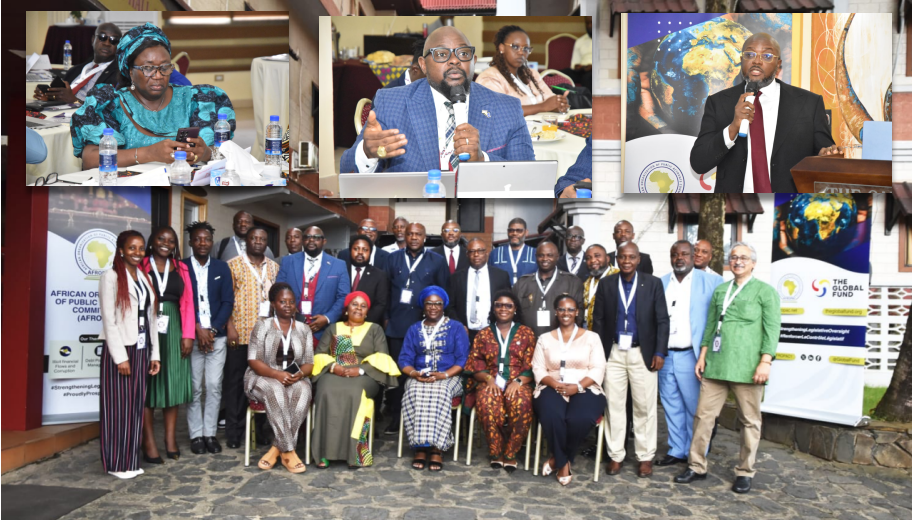
Monrovia – Members of the Legislative Public Accounts Secretariat, the Public Accounts Committee (PAC), and the Legislative Health Committee have successfully concluded a two-day intensive refresher training workshop focused on strengthening legislative oversight of public funds, with particular emphasis on the health sector.
The training, which took place from September 22nd to 23rd 2025, was organized by the African Organization of Public Accounts Committees (AFROPAC) and brought together key legislative stakeholders to enhance their capacity in public financial management (PFM) oversight and promote a more accountable and transparent governance framework.
Purpose and Objectives
The central objective of the training was to equip members of the PAC, Health Committee, and Secretariat staff with the tools and knowledge required to improve the effectiveness and impact of legislative scrutiny of public expenditures, especially in the critical area of healthcare service delivery.
Specifically, the training aimed to: Improve the timeliness of legislative audit reviews;
Strengthen the quality and focus of committee hearings; Enhance the formulation and tracking of committee recommendations; Foster greater transparency in the scrutiny of public spending;
Explore synergies between the PAC and Health Committees to ensure more integrated and strategic oversight of the health sector. Training Methodology and Approach. The two-day workshop adopted a highly interactive and participatory approach to maximize learning, engagement, and collaboration among participants. Key learning tools included:
Case Scenarios: Based on real audit findings and committee processes to simulate actual parliamentary oversight experiences; Group Discussions and Brainstorming Sessions: Encouraged collective analysis and peer learning; Role Plays: Designed to reflect committee hearings and decision-making processes; Analytical Exercises: Focused on understanding audit procedures, tracking of recommendations, and evaluating health sector performance.
This interactive format ensured that participants not only gained theoretical knowledge but also developed practical skills essential for their day-to-day oversight responsibilities.
Key Topics and Presentations
Presentations during the training addressed several critical issues within the context of Liberia’s ongoing public financial management reforms. Topics included: An overview of current PFM reforms in Liberia and the role of the legislature; Observations from the General Auditing Commission (GAC) on the utilization of funds in the health sector, particularly regarding health grants; Perspectives from Civil Society Organizations (CSOs) on the quality of health service delivery and the importance of legislative oversight in improving outcomes for citizens.
These sessions provided a balanced mix of institutional insights, technical guidance, and citizen-driven perspectives, enabling lawmakers to understand the broader context and consequences of public spending decisions.
Expected Outcomes
The training is expected to yield several positive outcomes, including: strengthened legislative capacity to monitor and evaluate public spending; Enhanced collaboration between oversight committees, particularly the PAC and Health Committee; Improved accountability and transparency in the management of public funds; Greater focus on service delivery outcomes, particularly in the health sector; Increased citizen trust in legislative institutions and their role in promoting good governance.
Ultimately, the training aims to contribute to improved well-being for all Liberians through more effective oversight of public resources and more responsive and accountable government services.
Background and Context
Across Africa, Public Financial Management reforms are most successful when oversight institutions such as Supreme Audit Institutions (SAIs), Public Accounts Committees (PACs), and sector-specific committees (e.g., health, education, infrastructure) are empowered and equipped to play a proactive role in enforcing transparency and accountability.
However, legislative bodies in many African countries continue to face systemic challenges, including limited technical capacity, inadequate coordination between committees, and slow responses to audit findings. This training is part of broader efforts by AFROPAC and partners to address these challenges by building capacity and fostering collaboration across legislative bodies.
Support Independent Journalism
Your support helps FrontPage Africa continue delivering independent, credible, and impactful journalism. Every contribution strengthens our ability to investigate, inform, and hold power accountable while keeping quality journalism accessible to our readers.
Support our journalism or subscribe to receive the latest FrontPage Africa stories and updates.