MONROVIA – Senior government officials, traditional leaders, civil society organizations, women’s rights advocates and development partners have renewed calls for stronger constitutional and policy reforms to guarantee women’s meaningful participation in local governance and peacebuilding across Liberia.
By Patience M. Jones
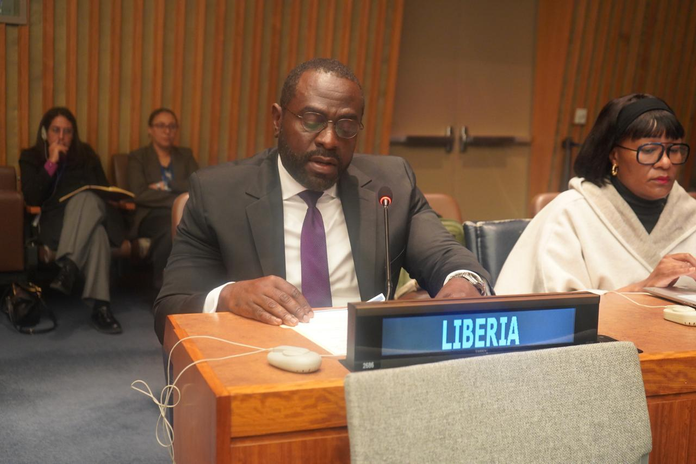
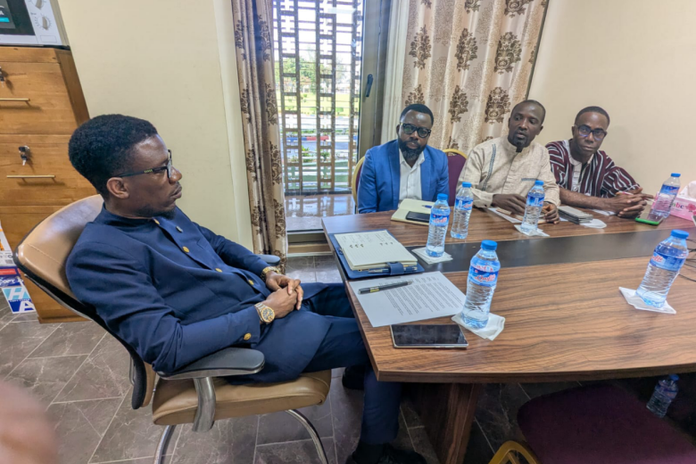
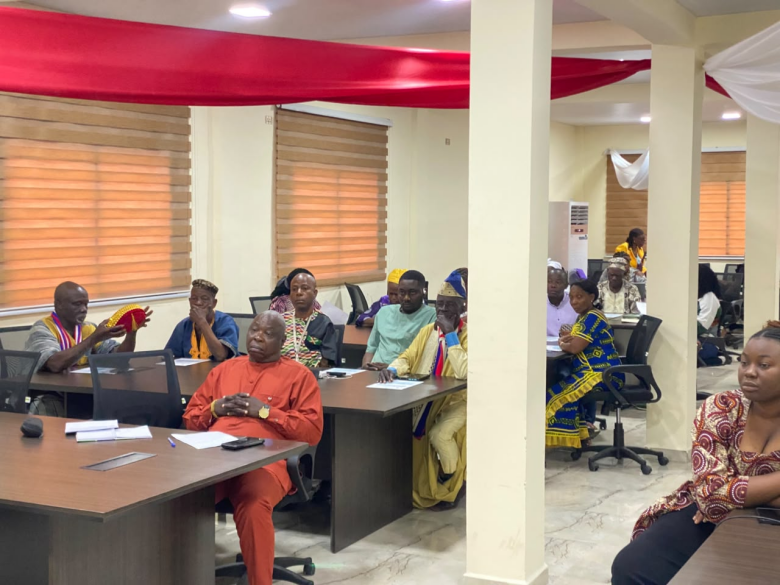
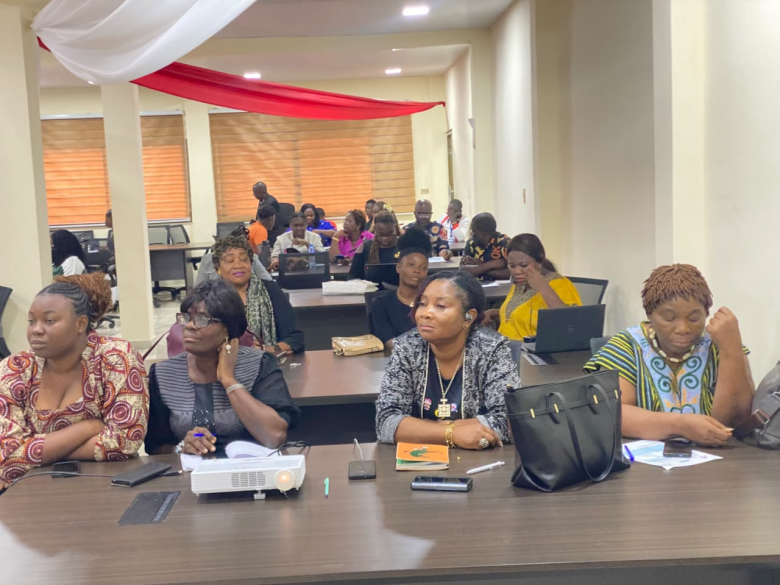
The call was made Thursday, July 30 during the National Dialogue on Women’s Leadership in Local Governance and Peacebuilding, held at the Ministry of Local Government.
The dialogue brought together chiefs, government officials, development partners, civil society organizations, and women leaders to review progress, identify persistent barriers and agree on practical national and county-level actions to expand women’s representation in leadership and decision-making.
The dialogue sought to assess county-level evidence on women’s participation in appointed local governance, traditional leadership and peacebuilding structures while developing concrete recommendations to strengthen women’s influence in governance across Liberia.
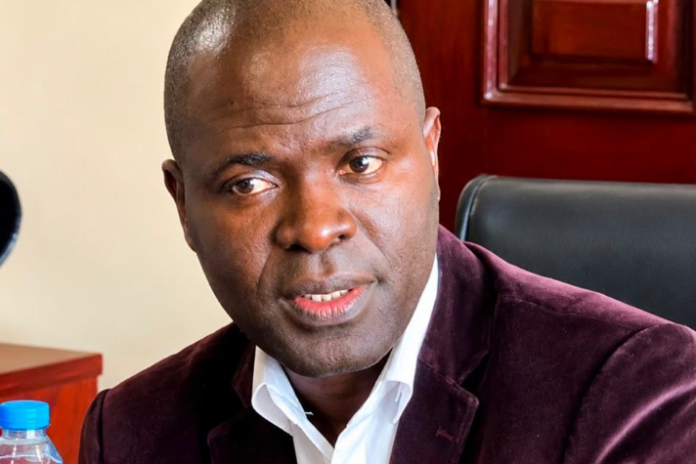
Delivering opening remarks on behalf of the Governance Commission, Alaric Tokpah, emphasized that women’s participation is essential for national development and lasting peace.
“The issues being raised here are not unique to Liberia – they are global challenges,” Mr. Tokpah said. “Without the full participation of women, society cannot achieve its full potential.”
Mr. Tokpah disclosed that the Governance Commission is advancing recommendations for constitutional reform aimed at strengthening legal protections for women’s participation in governance.
“We believe women’s participation should not depend on the goodwill of individual leaders, particularly male leaders. It should be guaranteed by the Constitution,” he stated.
He further revealed that discussions are ongoing about creating constitutional mechanisms that would ensure women’s organizations have direct representation in national governance structures.
According to him, the Governance Commission remains committed to supporting decentralization efforts and promoting gender equity, transparency, accountability, participation, efficiency, and the rule of law.
“We invite everyone to support the constitutional reform process because Liberia’s Constitution needs to better reflect today’s realities, particularly regarding youth and women’s participation,” Mr. Tokpah added.
Representing the Ministry of Local Government, Assistant Minister for Culture and Traditional Affairs, Williams Jallah, highlighted progress being made in increasing women’s representation within traditional governance.
He disclosed that Liberia’s chapter of the Council of Traditional Leaders of Africa (COTLA) now includes three women among its eight elected members.
He also noted that women are increasingly serving as commissioners, paramount chiefs, clan chiefs, and town chiefs—positions that were once considered inaccessible to women.
“Today, we have women serving as paramount chiefs, clan chiefs, general town chiefs, and town chiefs across the country,” Assistant Minister Jallah said.
He credited sustained advocacy and the Ministry’s commitment to breaking cultural barriers for the progress achieved.
“Women can move mountains,” he said. “They have demonstrated exceptional leadership in Liberia’s peace process, and we will continue working with our chiefs and local leaders to ensure women occupy more leadership positions.”
He added that the Ministry has strengthened its gender structures, including appointing a female Director for Gender, and pledged continued engagement with counties to promote women’s participation in governance and peacebuilding.
Also speaking, Cllr. Vivian Neal, Assistant Director for Gender, Youth and Children at the Office for the Establishment of the War and Economic Crimes Court for Liberia (OWECC-L), reaffirmed the institution’s commitment to inclusive transitional justice.
She said OWECC-L’s work on transitional justice and peacebuilding recognizes the importance of women’s voices and noted that the institution continues to partner with WONGOSOL and other women’s organizations during the process of establishing the War and Economic Crimes Court.
“Our hope is that this dialogue will contribute not only to fair representation in local government but across all three branches of government,” she said.
Meanwhile, Cllr. Tonia A. Taken-Wiles, Chairperson of the Board of Directors of the West Africa Network for Peacebuilding (WANEP)-Liberia, welcomed calls for constitutional reform and urged greater recognition and support for women peacebuilders.
She praised the work of the Women in Peacebuilding Network (WIPNET), describing its members as dedicated volunteers who continue mediating conflicts despite limited resources.
“WIPNET women continue to serve their communities with remarkable commitment, often using their own resources to mediate disputes and build peace,” she said.
Cllr. Taken-Wiles encouraged stakeholders to provide greater support to Peace Huts and women peacebuilders while ensuring increased representation of women in traditional leadership.
Presenting an overview of the dialogue, Munah K. Kellt, Program Director of the Women NGOs Secretariat of Liberia (WONGOSOL), explained that the dialogue forms part of a three-year project titled “Strengthening Women’s Leadership in Local Governance and Peacebuilding,” funded by the Government of Ireland through UN Women.
She said the initiative builds on consultations and regional dialogues held across six counties-Grand Gedeh, Nimba, Lofa, Bomi, Gbarpolu, and Grand Bassa – to identify barriers affecting women’s leadership.
According to Madam Kellt, the project has already produced measurable results. She reported that the number of women in leadership positions across the six counties increased by 44 percent, rising from 66 to 95 women by May 2026.
The project also recorded: 153 women trained in transformative leadership. 143 Peace Hut members trained in mediation and conflict resolution.
58 community disputes successfully mediated by Peace Hut women. 21 certified national trainers, including 17 women. Increased appointment of women to traditional leadership positions across participating counties.
Despite these achievements, Madam Kellt said women continue to face significant obstacles, including harmful social norms, exclusion from decision-making, limited access to information and resources, inadequate financial support, and resistance to female leadership.
She also noted that local appointment processes often lack transparency, making it difficult for women to compete fairly for leadership positions.
“Representation alone does not guarantee influence,” she stressed. “Structural, cultural and institutional barriers continue to prevent many women from fully participating in governance.”
Madam Kellt further called for formal recognition and sustainable support for Peace Hut women, noting that although they play a critical role in resolving community conflicts, they remain underfunded and insufficiently recognized.
She revealed that male traditional and community leaders from the six project counties have already committed to promoting women’s leadership, challenging discriminatory social norms, expanding women’s opportunities in appointments and strengthening accountability mechanisms at the county level.
Welcoming participants to the Ministry, officials of the Ministry of Local Government reaffirmed the government’s commitment to women’s inclusion, noting that women now occupy key leadership positions within the Ministry, including two deputy ministerial posts and several senior management positions.
The Ministry said women’s participation is no longer viewed as optional but as a critical pillar of effective governance and sustainable national development.
The dialogue concluded with participants reaffirming their commitment to translating county-level evidence into national action, strengthening policy reforms, increasing women’s appointments and ensuring that women play a greater role in shaping Liberia’s governance and peacebuilding agenda.
Support Independent Journalism
Your support helps FrontPage Africa continue delivering independent, credible, and impactful journalism. Every contribution strengthens our ability to investigate, inform, and hold power accountable while keeping quality journalism accessible to our readers.
Support our journalism or subscribe to receive the latest FrontPage Africa stories and updates.