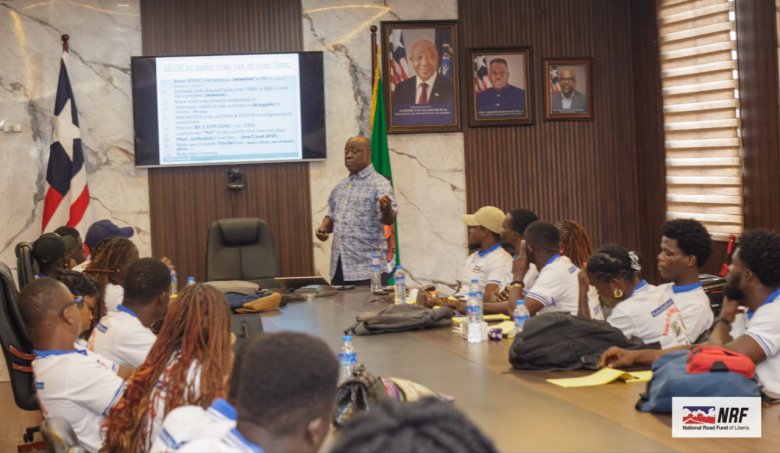
Monrovia – The National Road Fund of Liberia (NRF) has successfully concluded an almost two-week intensive soft-skills training program for participants in the third cohort of its flagship S.T.E.A.M. Internship Program.
The training, conducted from July 20–31, 2026, at the Ministry of Public Works Conference Room, prepared the selected interns for their forthcoming assignments within the National Road Fund of Liberia. With the training phase now completed, the interns are awaiting their official placements, where they will gain practical workplace experience and apply the knowledge and skills acquired during the sessions.
The NRF S.T.E.A.M. Internship Program is a youth-development initiative designed to identify, nurture, and promote promising young Liberian talents in Science, Technology, Engineering, Arts, and Mathematics. It provides selected participants with professional mentorship, institutional exposure, practical experience, and the essential competencies required to succeed in a modern workplace.
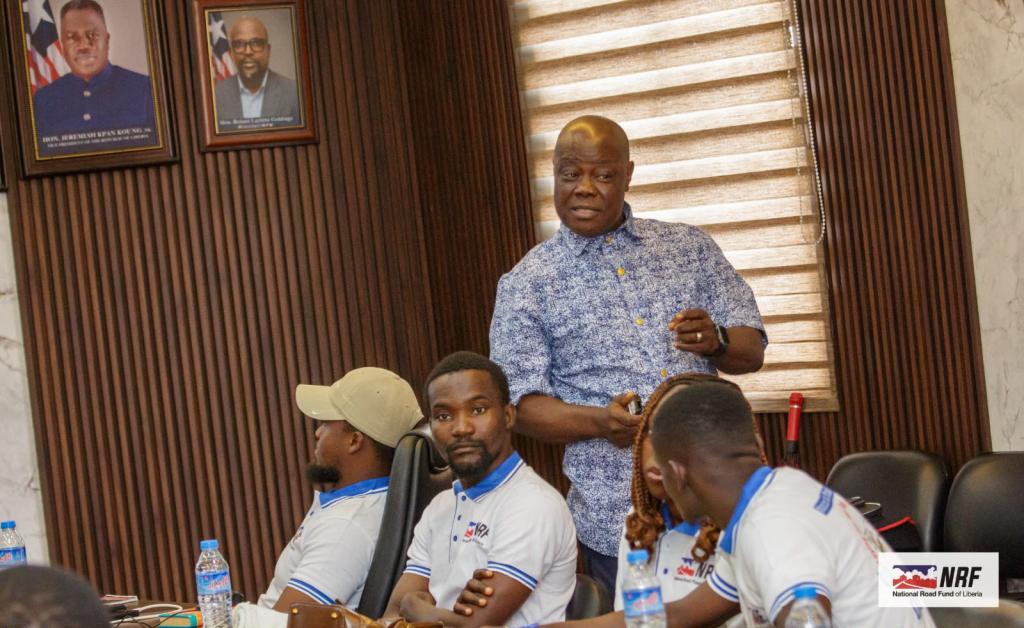
Facilitated by HELP Consultancy, Inc., the soft-skills training formed the preparatory phase of the internship program. It introduced participants to professional standards, workplace responsibilities, effective communication, computer literacy, personal development, teamwork, time management, public speaking, and job safety.
The training began on Monday, July 20, 2026, with an orientation session covering program expectations and an overview of the professional responsibilities of interns. Participants were introduced to the importance of punctuality, discipline, accountability, respect, integrity, and commitment in the workplace.
The orientation established a foundation for the interns’ transition from academic life to a structured institutional environment. It also helped them understand that professional success requires more than academic qualifications; it demands responsibility, adaptability, effective communication, and a willingness to learn.
The first week included sessions on reading and writing skills, computer literacy, self-esteem, team dynamics, and time management. These subjects were carefully selected to help the interns develop the confidence and practical abilities needed to perform effectively during their departmental placements.
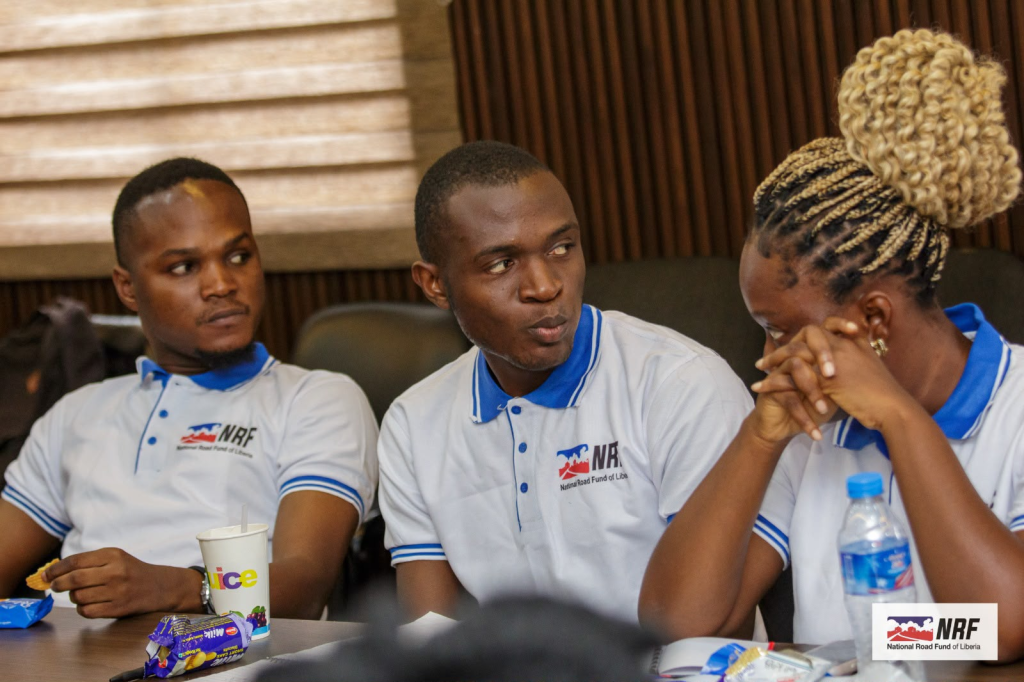
The reading and writing session focused on clear expression, comprehension, and the professional presentation of information. Participants were encouraged to communicate accurately and organize their ideas logically when preparing official correspondence, reports, assignments, and presentations.
The computer sessions strengthened the interns’ understanding of basic technological tools used in contemporary institutions. The training emphasized the importance of digital competence in research, documentation, communication, recordkeeping, and administrative efficiency.
Under the theme “Uniquely You,” the self-esteem and team-dynamics session encouraged participants to appreciate their individual abilities while recognizing the importance of cooperation. The interns learned that effective institutions depend on individuals who can respect differences, share responsibilities, resolve challenges, and work toward common objectives.
Time-management training also equipped participants with practical approaches to organizing assignments, establishing priorities, meeting deadlines, and using working hours productively. This session was particularly important as the interns prepared to receive assignments requiring responsibility, coordination, and timely execution.
The second week focused on advanced computer skills, intra-organizational communication, public speaking, and workplace safety.
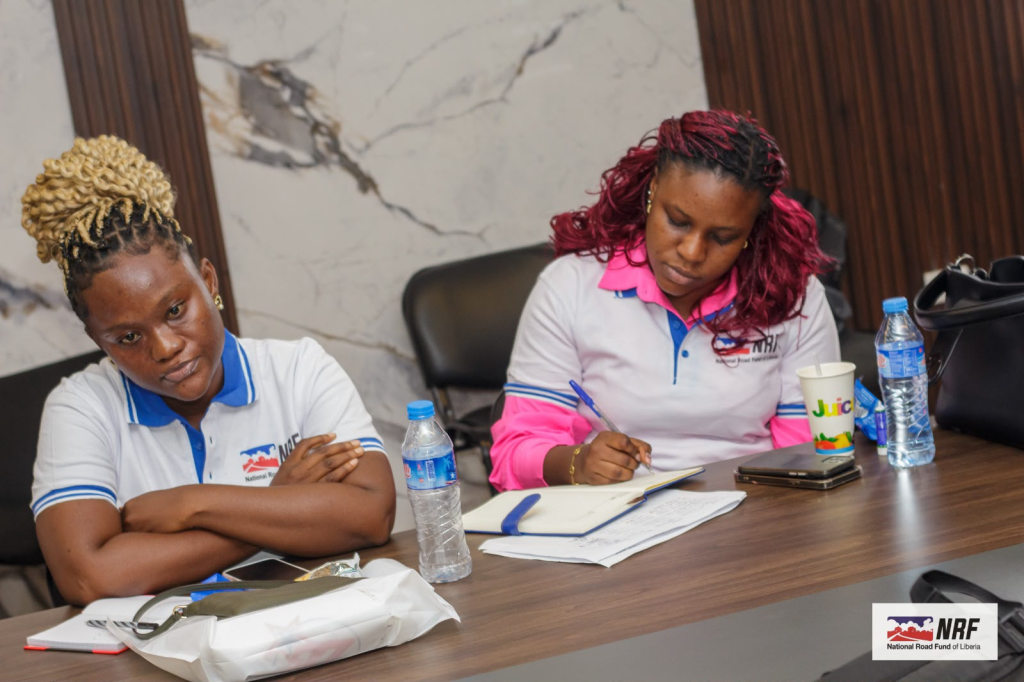
The communication session introduced participants to the proper flow of information within an institution. The interns learned how effective communication supports coordination, accountability, decision-making, teamwork, and organizational performance.
They were also taught how to communicate professionally with supervisors, colleagues, stakeholders, and members of the public. The session emphasized clarity, respect, accuracy, confidentiality, and appropriate feedback.
Public-speaking training helped participants build confidence in presenting ideas before an audience. The interns were encouraged to organize their thoughts, understand their audience, communicate persuasively, and overcome the fear often associated with public presentations.
The training concluded with a job-safety discussion, which emphasized the responsibility of every employee and intern to contribute to a safe and productive working environment. Participants were introduced to basic safety practices, risk awareness, responsible use of workplace equipment, and the importance of reporting unsafe conditions.
The sessions were facilitated by Amos Harris, Malcolm Harris, and Atty. Wola Harris, whose presentations combined professional instruction with practical guidance. Their contributions helped prepare the interns to enter their respective assignments with greater confidence, awareness, and professional discipline.
Following the conclusion of the soft-skills training, the successful interns are now awaiting their official departmental assignments within the NRF.
The placement phase will provide participants with direct exposure to institutional operations and allow them to work alongside experienced professionals. Depending on their academic backgrounds, interests, and identified abilities, the interns are expected to be assigned to relevant departments and institutions where they can observe, learn, and contribute to ongoing activities.
During their assignments, the interns will have opportunities to apply the principles of communication, teamwork, technology, time management, and professional conduct covered during the training. They will also become familiar with administrative procedures, reporting relationships, workplace ethics, and performance expectations.
The departmental placements will therefore represent the practical phase of the internship program. While the soft-skills training prepared the participants for the workplace, their assignments will allow them to translate that preparation into meaningful professional experience.
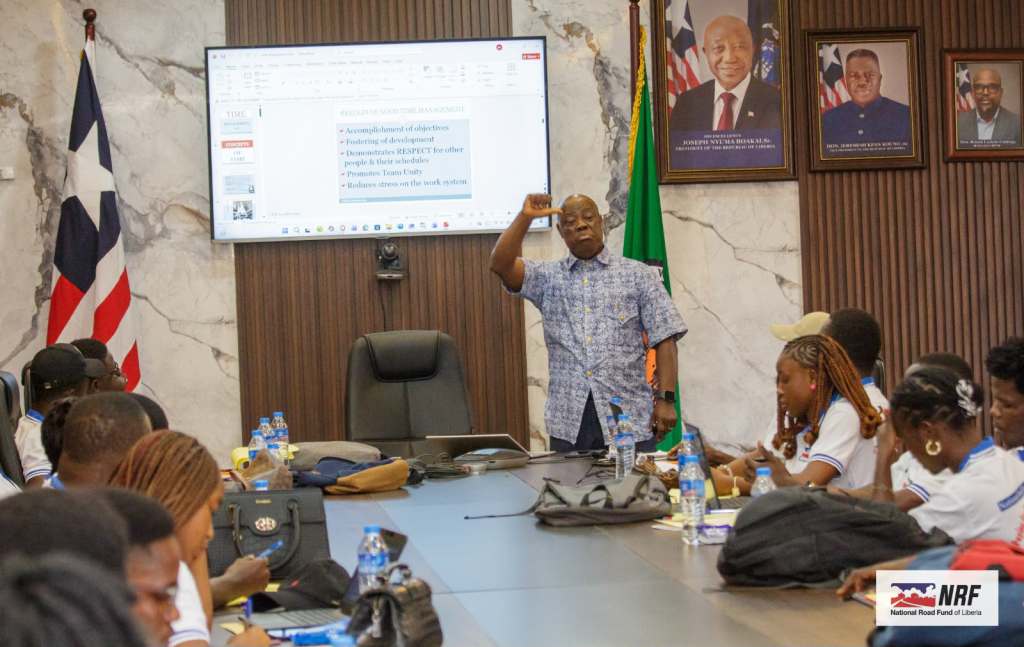
The details of the departmental assignments and reporting arrangements will be officially communicated to the successful interns.
The NRF S.T.E.A.M. Internship Program seeks to address one of the major challenges confronting young Liberians: the limited opportunity to acquire professional experience after completing or while pursuing their education.
Many young people possess academic knowledge but have limited exposure to professional systems and workplace expectations. This often creates a difficult transition from the classroom to employment.
Through the S.T.E.A.M. Internship Program, the NRF is helping to bridge that gap by providing a structured platform where young people can strengthen their skills, gain practical exposure, and develop professional confidence.
The program recognizes that academic qualifications alone are not always sufficient to prepare young people for employment. Interns must also understand how to communicate, meet deadlines, work in teams, use technology, follow instructions, solve problems, and conduct themselves professionally.
The completed soft-skills training provided the third cohort with this essential foundation. Their forthcoming departmental assignments will now allow them to deepen that knowledge through practical engagement.
Although the National Road Fund of Liberia of financing of road network, the institution recognizes that national development also requires investment in people.
Improved infrastructure depends on skilled, responsible, and innovative professionals who can manage institutions, develop solutions, and serve the public interest.
The initiative also demonstrates the NRF’s institutional commitment to youth empowerment and social responsibility. It offers young people a pathway to discover their strengths, improve their competencies, and prepare for future academic and employment opportunities.
As the interns await their assignments, they are encouraged to remain prepared, disciplined, and committed to learning. Their placements will require them to demonstrate the professional principles acquired during the training and make constructive contributions to the departments in which they are assigned.
The National Road Fund of Liberia congratulates all participants on successfully completing the soft-skills training phase of the third cohort of the NRF S.T.E.A.M. Internship Program.
The NRF looks forward to welcoming the interns into their respective departmental assignments and encourages them to approach the next phase with confidence, humility, professionalism, and a determination to learn.
The conclusion of the training is not the end of the program; it is the beginning of the interns’ practical professional journey. Through their forthcoming assignments, they will have an opportunity to transform knowledge into experience, potential into performance, and preparation into meaningful service.
Support Independent Journalism
Your support helps FrontPage Africa continue delivering independent, credible, and impactful journalism. Every contribution strengthens our ability to investigate, inform, and hold power accountable while keeping quality journalism accessible to our readers.
Support our journalism or subscribe to receive the latest FrontPage Africa stories and updates.