Monrovia, Liberia — Liberia has started work on a national policy framework to guide the use of zero-emission vehicles (ZEVs) in the country’s transport sector. The plan is meant to help government, private companies, and partners work together as more electric and other cleaner vehicles enter Liberia.
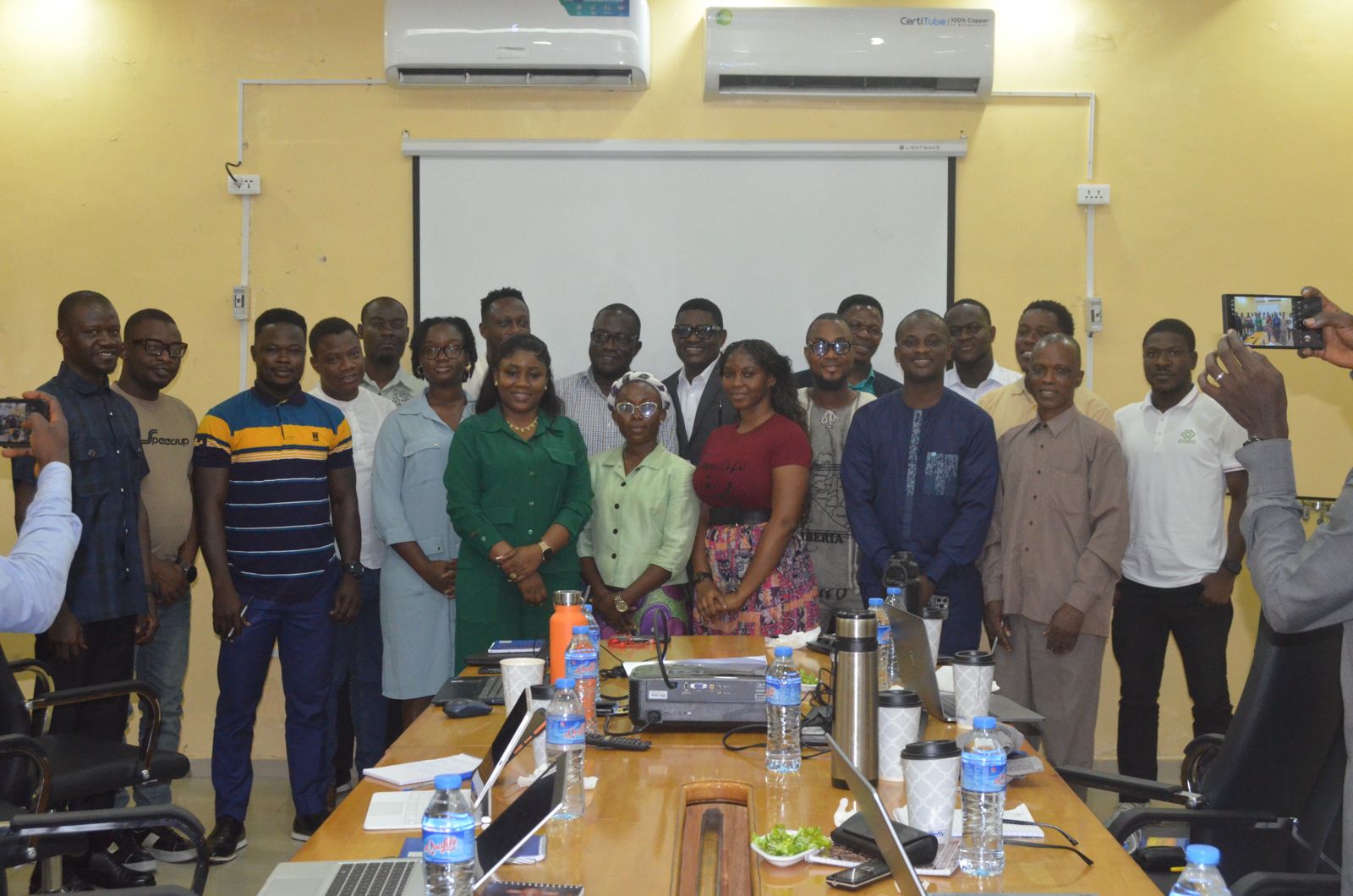
At a stakeholder meeting, organizers said the goal is not to focus on only “electric cars,” but to create a broad and inclusive plan for transport that is cleaner, healthier, and better for the economy.
Officials noted that Liberia is already seeing electric options on the road, including motorbikes (two-wheelers), tricycles (three-wheelers), and even SUVs and other four-wheel vehicles, mostly brought in by the private sector.

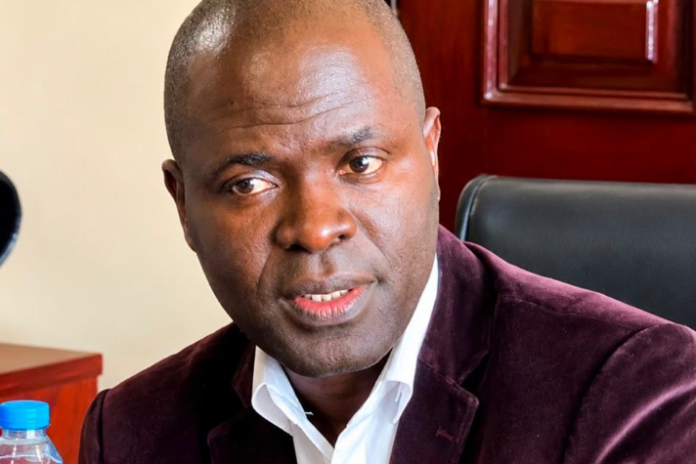
Speaking at the event, the Director of for Climate Change at the Ministry of Transport, Spencer S. Taylor warned that Liberia should not wait until the whole transport system changes before making rules.
“We are seeing these modes of transport currently in our transport system… so we do not have to wait,” Mr. Taylor said while calling for a policy framework that can guide the next steps.
Participants are working toward these expected outcomes:
- Validated policy priorities: agreement on the most important policy actions, using survey findings
- Draft policy pillars: a clear structure for Liberia’s national e-mobility policy framework
- Implementation roadmap: a step-by-step plan with agencies, timelines, and milestones
- Institutional coordination mechanism: a proposed way for ministries and partners to coordinate
- Stakeholder commitments: early commitments from government, private sector, and development partners
Also speaking the Deputy Minister for Administration and Insurance at the Ministry of Transport Archibald S. Abban said Liberia must plan because the world is changing fast. Deputy Minister Abban pointed to the problem of old vehicles that produce heavy smoke and said better planning will help Liberia avoid future embarrassment.
“Sometimes if I drive in the traffic, we see them smoking,” he said, stressing that Liberia needs stronger systems and preparation before cleaner vehicles become more common.
Organizers also said the private sector is already leading imports of cleaner vehicles, and they want businesses to help shape the framework so it is realistic and workable.
The policy framework being drafted is expected to serve as a guide that the ministry and partners can use to develop a full national policy later.
Support Independent Journalism
Your support helps FrontPage Africa continue delivering independent, credible, and impactful journalism. Every contribution strengthens our ability to investigate, inform, and hold power accountable while keeping quality journalism accessible to our readers.
Support our journalism or subscribe to receive the latest FrontPage Africa stories and updates.