Ganta, Nimba County — The Liberia Anti‑Corruption Commission (LACC) has trained 52 community volunteers from Nimba, Lofa, Bong and Grand Gedeh to strengthen local efforts to identify and report corruption.
By Franklin Doloquee
The two‑day workshop in Ganta taught volunteers to recognize common forms of corruption, gather and document evidence, use LACC reporting channels, and protect whistleblowers and witnesses.
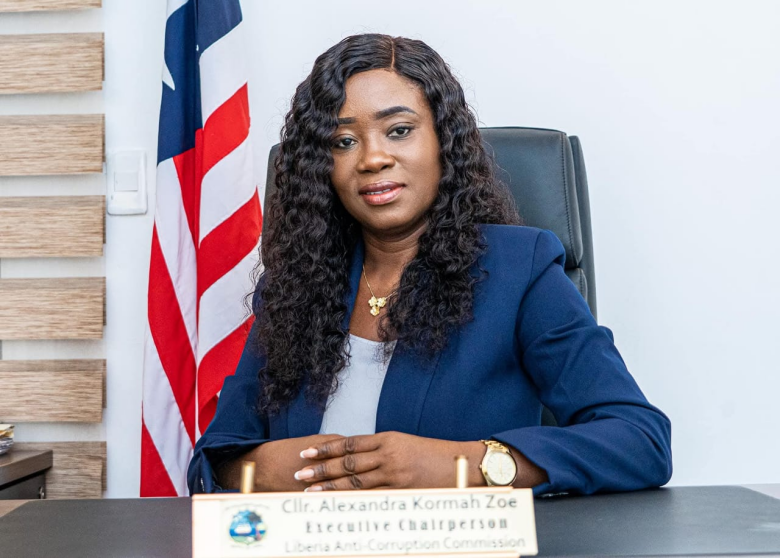
The Executive Chairperson of the LACC, Cllr. Alexandra K. Zoe, said the program aims to build community capacity to detect corruption early and reduce impunity at the local level.
“Communities are our eyes and ears,” Cllr. Zoe said at the opening. “By empowering volunteers with the skills to report corruption safely and accurately, we can improve transparency and ensure public resources serve the people.”
Launched in 2024 with support from UNDP and the Peacebuilding Fund, the initiative seeks to prevent corruption in community projects.
Earlier sessions were held in Grand Bassa, Bong and Bomi Counties. Organizers said Nimba a regional hub was chosen so neighboring counties could attend.
The volunteers will serve as community‑based monitors, described by organizers as “intelligence officers,” tasked with discreetly observing and reporting suspected corrupt practices on local projects to the LACC.
Because they live in the communities they monitor, volunteers were trained to carry out covert monitoring rather than publicly identified as LACC staff. “We’re being proactive,” Cllr. Zoe stated.
“We should begin to monitor these projects so that we don’t find vendors or authorities mismanaging a project and wait for the funds to be misused before we come in and start investigating.”
The preventive push follows a General Auditing Commission(GAC) Report that flagged irregularities in donor‑funded and government projects, including instances where vendors were paid but work remained incomplete.
Cllr. Zoe pointed out that the LACC is conducting assessments that could lead to investigations in the third quarter.
Training topics included leadership and integrity, transparency and accountability, LACC functions and monitoring techniques, basic investigative methods, whistleblowing and witness protection, and asset declaration.
Tomorrow’s sessions will cover report types and the reporting process. Participants will sign contracts requiring them to report suspicious transactions or alleged corrupt acts; LACC oversight and contractual obligations are intended to help ensure objective reporting despite local loyalties and pressure.
“The fight against corruption is not a fight government can fight alone,” Cllr. Zoe intimated. “Citizens suffer most when corruption happens; we are inviting them to help prevent it.”
Cllr. Zoe confirmed the Commission has received letters from Nimba District 9 Representative Taa Wongbay, District 2 Representative Nya Garsaye Flomo Sr. and the Nimba Legislative Caucus seeking inquiries into alleged irregularities.
She emphasized that the LACC’s role is investigative and recommendatory, stressing that any disciplinary or prosecutorial action will follow the commission’s findings and recommendations.
Cllr. Zoe thanked participants and the people of Nimba County for their hospitality and called for continued citizen‑government collaboration to reduce corruption through prevention and awareness.
“Total eradication may be unrealistic,” she added, “but with awareness and prevention we can mitigate corruption significantly.”
Support Independent Journalism
Your support helps FrontPage Africa continue delivering independent, credible, and impactful journalism. Every contribution strengthens our ability to investigate, inform, and hold power accountable while keeping quality journalism accessible to our readers.
Support our journalism or subscribe to receive the latest FrontPage Africa stories and updates.