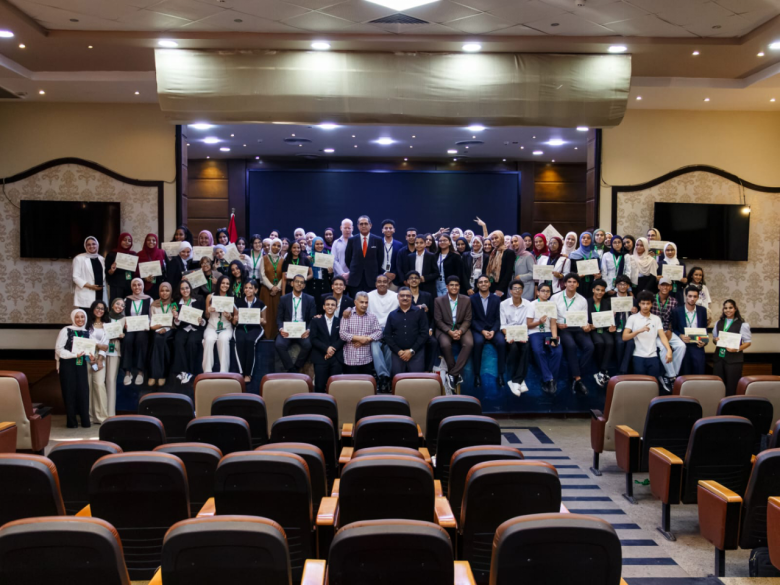
MONROVIA –The Global Solidarity Network has concluded the training program of the African Union Simulation Model, designed for students of the Schools of Excellence in Science and Technology (STEM). Lectures and training workshops were held throughout August 2026 and brought together 120 male and female students from governorates across Egypt.
By Nukanah Kollie, Contributing Writer
According to the organizers, the program offered specialized training sessions to introduce students to how African Union institutions work, how decisions are made, and how African countries cooperate. It also aimed to raise their awareness of the continent’s contemporary issues and challenges, pairing theoretical knowledge with practical application through the simulation model.
The program was organized around three main tracks: Peace and Security, Intra-African Trade (the Economic Track), and African Civil Society. Experts and specialists in African affairs took part. The training content focused on the African Union’s institutional mechanisms and on the role of different stakeholders in supporting development and continental integration.
The program opened with a lecture by Ambassador Amr El Gawaly, Director of the Directorate of African Diaspora Organizations and Civil Society at the African Union Commission in Addis Ababa. He spoke about the economic role of the African diaspora in supporting development across the continent, giving participants a comprehensive understanding of joint African action.
Peace and Security Track
The track covered conflict management, peacebuilding, and strengthening governance across Africa. Hassnaa Tammam, African Union Youth Ambassador for Peace for the North Africa Region, led a session on the concepts of conflict, violence, and peace. Hager Azzouz reviewed the African Governance Architecture (AGA) and the African Peace and Security Architecture (APSA), highlighting their role in supporting stability and strengthening conflict prevention mechanisms. Dr. Heba Assem, a governance and peacebuilding specialist at the African Union Commission, presented a session titled “Silencing the Guns… Building the Future: How Can Youth Contribute to Achieving the Vision of Agenda 2063?” She discussed the pivotal role of youth in supporting peace and development efforts and consolidating stability across the continent. Political researcher Ibrahim Tantawy also took part in the track, addressing various African peace and security issues.
Economic Track
The track examined opportunities for economic integration among African countries and the challenges facing African economies amid accelerating regional and international transformations. Dr. Mohamed Hassan Khodairy, a specialist in African economic affairs, gave a session on the African Continental Free Trade Area (AfCFTA) and its role in enhancing trade and economic integration among African countries. Dr. Samar El Bagoury, Assistant Professor at the Faculty of African Postgraduate Studies, discussed the resilience of African economies and their ability to face geopolitical repercussions. Dr. Raed Salama, Founder of Orbit Research and Economic Studies Company, reviewed the impact of current geopolitical developments on the global and African economies and their implications for supply chains across the continent.
African Civil Society Track: ECOSOCC
A specialized module on the Economic, Social and Cultural Council of the African Union (ECOSOCC) introduced students to its role in enhancing the participation of civil society organizations and youth in joint African action, and to the mechanisms through which non-governmental actors contribute to development and continental integration. Ambassador Mohamed Haroun, Vice President of ECOSOCC, delivered a session titled “Towards Conscious African Leadership: The Model of the African Union Economic, Social and Cultural Council.” He addressed the nature of the Council’s work and its importance in strengthening societal dialogue across the continent. Farouk Deif, researcher at the Information and Decision Support Center of the Egyptian Cabinet and a specialist in African affairs, reviewed ECOSOCC’s role in shaping Africa’s future and enhancing the participation of various stakeholders in development-related issues.
Dr. Abdel Latif Gouda, a researcher specializing in international organizations, also presented a session titled “Introduction to ECOSOCC Accreditation and NGOs’ Participation.” He explained how civil society organizations are accredited and the frameworks for their participation in African Union institutions and mechanisms, highlighting the role these organizations play in supporting institutional cooperation and strengthening partnerships among different components of African society.
Remarks by the Founder
Researcher and anthropologist Hassan Ghazaly, founder of the Global Solidarity Network, under which the African Union Simulation Model is implemented, said the program reflects the network’s vision of enhancing Egyptian youth awareness of African issues and giving them a deeper understanding of the continent’s challenges and the mechanisms of collective action within African institutions.
The distinguished African youth leader explained that the model is an integrated educational platform that gives young people the opportunity to understand decision-making mechanisms within the African Union through a simulation combining academic knowledge and practical application. It also promotes an African perspective that reflects the continent’s own contexts, priorities, and realities, beyond perspectives that may not fully capture Africa’s unique characteristics.
Ghazaly added that the program seeks to equip participants with the knowledge and skills to become active partners in issues of peace, development, and African integration, by combining diplomatic, academic, and research expertise. He said this approach helps develop skills in dialogue, analysis, negotiation, developing a shared vision, and articulating positions. He noted that the model goes beyond providing information about the African Union and its institutions. It aims to empower young people to recognize the shared challenges facing the continent and to explore opportunities for cooperation and integration among African countries.
He congratulated the model’s team of researchers and students, led by researcher and translator Mervat Sakr, African affairs researcher Abdullah Qazzaz, and Teyam Mohamed, President of the Students of STEM Schools for Science and Technology, for overseeing the implementation of the program’s activities and tracks. He said their efforts helped achieve the program’s educational and training objectives and maximized the participants’ benefit from the experience.
About the Model
The African Union Simulation Model, established in 2012, is one of the programs of the Global Solidarity Network. It aims to raise Egyptian youth’s awareness of collective African action, introduce them to the institutions of the African Union and their mechanisms, and provide a training platform that combines academic knowledge with practical application through simulation, helping young people develop skills in dialogue, negotiation, and decision-making.
Support Independent Journalism
Your support helps FrontPage Africa continue delivering independent, credible, and impactful journalism. Every contribution strengthens our ability to investigate, inform, and hold power accountable while keeping quality journalism accessible to our readers.
Support our journalism or subscribe to receive the latest FrontPage Africa stories and updates.