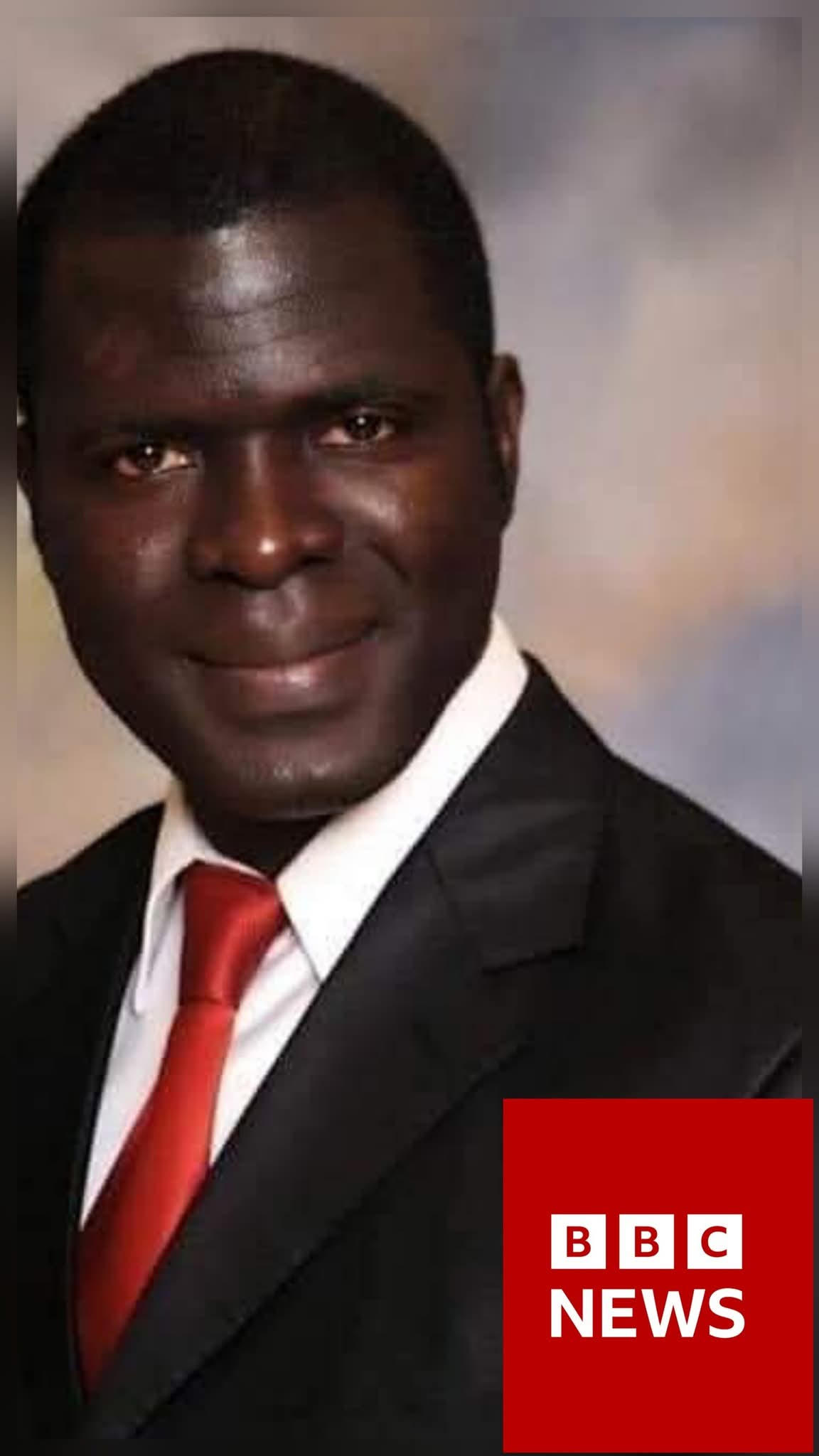
MONROVIA – The Executive Director of the Environmental Protection Agency (EPA) of Liberia, Dr. Emmanuel King Urey-Yarkpawolo, has disclosed that approximately 70 percent of Liberia’s current electricity generation comes from renewable sources, primarily hydro and solar power.
By Selma Lomax,[email protected]
Speaking in a recent interview with the BBC, Dr. Urey-Yarkpawolo said the country is making steady progress in its transition toward clean energy, despite ongoing challenges in electricity access.
“Right now, overall, Liberia’s electricity generation is about 70 percent coming from renewable energy sources. That is primarily hydro, but also solar combined to make the 70 percent,” he stated.
He acknowledged that while this marks significant progress, the nation still faces a substantial energy gap. However, he said plans are in place to scale up renewable energy to meet growing demand and support economic development.
“We still do not have enough electricity to power our economy. We have developed a plan so that we develop the economy using renewable energy. That’s the direction the country is headed right now,” he said.
According to Dr. Urey-Yarkpawolo, construction is ongoing at Mount Coffee Hydro, where a 20-megawatt solar plant is being developed. An additional 15-megawatt facility is also planned for the same location, which will bring the total solar capacity at the site to 35 megawatts.
“This will help boost the electricity that supplies the city of Monrovia,” he added.
He further explained that Liberia is adopting a two-pronged approach to renewable energy development—supporting both large-scale solar farms and smaller, decentralized rooftop systems, particularly in rural areas. He noted that the government is encouraging private sector involvement and offering incentives for households and businesses to invest in solar solutions.
Dr. Urey-Yarkpawolo also addressed concerns about Liberia’s dependence on foreign solar technology. He confirmed that China remains a key supplier but said the government is expanding its partnerships.
“We are getting solar panels from China, but we’re also getting solar panels from California,” he said. “The country is moving toward working with any partner willing to support Liberia—so long as the partnership does not disadvantage us.”
The EPA boss noted that Liberia’s efforts are part of a broader trend across Africa. According to recent data from UK-based energy think tank Ember, solar panel imports into the continent rose by 60 percent over the past year, signaling a growing shift toward solar energy across the region.
Looking ahead, Dr. Urey-Yarkpawolo said the government aims to significantly increase energy access for Liberians over the next five years, with renewable energy playing a central role.
“Our idea is to be able to power the economy so ordinary people have electricity,” he said. “We are making sure that our people have access to electricity in the interior and different parts of the country. A lot of effort has been put in place so that, in the future, the country can develop.”
Support Independent Journalism
Your support helps FrontPage Africa continue delivering independent, credible, and impactful journalism. Every contribution strengthens our ability to investigate, inform, and hold power accountable while keeping quality journalism accessible to our readers.
Support our journalism or subscribe to receive the latest FrontPage Africa stories and updates.