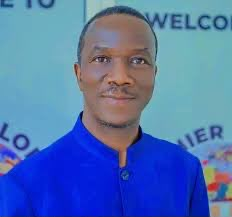
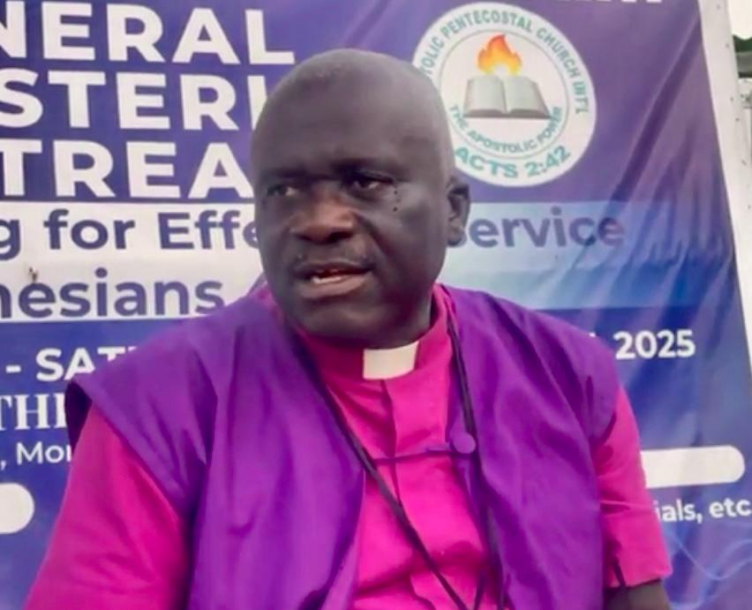
Monrovia — Prominent Liberian clergyman Bishop Kortu Brown has rated the Unity Party–led administration of President Joseph Nyuma Boakai at 70 percent for its performance over the past year, citing shortcomings in addressing poverty, strengthening national reconciliation, and improving economic conditions.
By Obediah Johnson
Bishop Brown, a former president of the Liberia Council of Churches (LCC), made the assessment during an interview with reporters on Sunday, January 4, at the New Water in the Desert Apostolic Pentecostal Church in Brewerville, outside Monrovia.
He said while the administration has made public commitments toward reconciliation and economic recovery, concrete actions to achieve those goals remain limited.
According to the clergyman, national reconciliation has largely remained rhetorical, warning that continued political divisions and personal attacks among public officials could undermine progress if not addressed.
“Making pronouncements does not help; it has to be concrete actions to pull this country together,” Bishop Brown said. “There is glaring poverty and anger that we are facing.”
Economic and Accountability Concerns
Bishop Brown also questioned the effectiveness of accountability measures under the current administration, arguing that ordinary Liberians have yet to see meaningful benefits from the country’s natural resources.
He said revenues from mining activities—including gold, iron ore, and diamonds—have not translated into improved living conditions for citizens, leaving many struggling to meet basic needs.
“The people of Liberia have not received their fair share from the resources being extracted from their land,” he said.
Acknowledging Government Efforts
Despite his criticisms, Bishop Brown acknowledged what he described as “some positive efforts” by the government, particularly in addressing infrastructure and basic services.
He cited road rehabilitation and maintenance in Liberia’s southeastern counties and improvements in electricity supply to households and businesses as notable gains. According to him, travel between Monrovia and counties such as Grand Gedeh, Maryland, and River Gee has become more manageable.
He also commended the administration for efforts to restore Liberia’s image internationally, while urging the government to strengthen economic policies that promote business growth and job creation.
“We have challenges, but there are areas where efforts have been made,” he said.
Rising Tensions Among Public Officials
Bishop Brown further expressed concern over what he described as growing anger and competition among public officials, attributing it to mistrust and political rivalry.
He urged officials to focus on delivering public services rather than engaging in activities that appear geared toward the 2029 elections.
“When you work for the public, anger should not be one of the tools you employ,” he said. “We may not all think the same way, but we must find ways to work together.”
He noted that while the country ended the year peacefully, more work remains to be done, explaining that this influenced his overall assessment of the administration.
Recommendations
Among his recommendations, Bishop Brown called for accelerated decentralization of governance and improved access to public services across the country.
He urged the government to review concession agreements to ensure that communities benefit more directly from natural resource exploitation. He also expressed disappointment that a broad national dialogue on reconciliation has yet to be convened.
“Liberia is not private property; it belongs to all Liberians,” he said. “We all feel the pain of hunger, poverty, and disease, and we must work together.”
The clergyman emphasized the need for sound and inclusive economic policies, cautioning against what he termed “bigotry” in governance and the exclusion of qualified Liberians from decision-making processes.
He concluded that tackling poverty through sustainable policies—not short-term handouts—could become a defining legacy of the Boakai-Koung administration if stronger efforts are applied.
Bishop Brown also urged members of the National Legislature to prioritize issues that directly affect citizens’ welfare, rather than focusing on political disputes that offer limited public benefit.
Support Independent Journalism
Your support helps FrontPage Africa continue delivering independent, credible, and impactful journalism. Every contribution strengthens our ability to investigate, inform, and hold power accountable while keeping quality journalism accessible to our readers.
Support our journalism or subscribe to receive the latest FrontPage Africa stories and updates.