Capitol Building, Monrovia, September 22, 2026 – Liberian lawmakers are on the verge of returning from their regular annual constituency break, hence; female lawmakers under the banner Women’s Legislative Caucus of Liberia (WLCL) are chatting a new course for cooperation and collaboration with as with assigned legislative reporters.
By Emmanuel Weedee-Conway
A Partnership That Respects All Parties
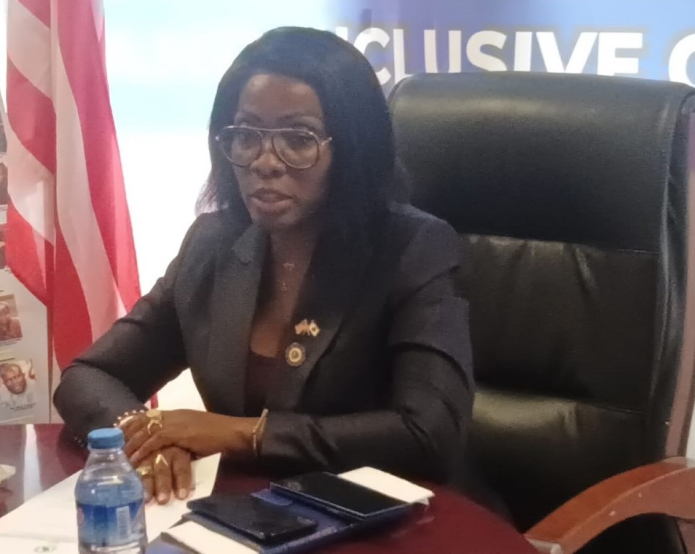
This relationship, the Chairperson, Women Legislative Caucus of Liberia (WLCL)Ellen Attoh-Wreh reckoned, would be void of compromise or influence of their professional duties as journalists, a one that promotes improve public outreach.
Speaking recently at a one-day National Media Roundtable held at the Capitol Building – seat of the Liberian Legislature, Rep. Attoh-Wreh, who represents the people of Margibi County Electoral District #3, emphasized that collaborating with the media is essential for effectively communicating their legislative efforts to citizens both locally and abroad.
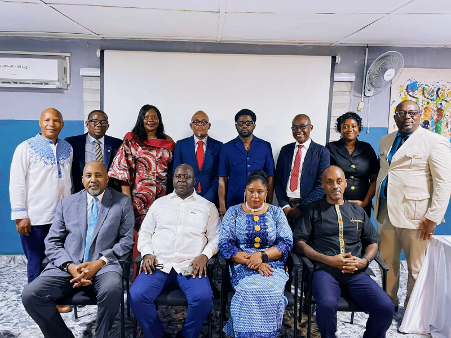
The meeting was part of efforts to strengthen collaboration and build stronger working relationships between women legislators and media institutions across Liberia.
It was intended to create a platform for open dialogue between women legislators and media practitioners, improve media understanding of the mandate and work of the WLCL, and promote regular, accurate, balanced, and gender-sensitive reporting on women’s legislative leadership and contributions to national development.
This initiative is part of a broader $1 million project designed to empower women in government and enhance their visibility. Funding for these activities is provided by the IBSA partnership, which consists of India, Brazil, and South Africa, alongside support from UN Women.
Importance of Collaboration
The Women’s lawmaking group head stressed importance of strong collaboration between them and the media, especially journalists who follow their activities on Capitol Hill and in their respective constituencies.
This meeting, according to her, will foster a productive partnership with journalists to ensure that information regarding their work is shared accurately and widely.
“So, we count on the media a whole lot. We realize that it is about time we have this roundtable discussion so that we can understand ourselves – how you work, how we should work to strengthen this relationship. So, for and on behalf of the women lawmakers, I, as Chairperson, want to say thanks to all of you for honoring our invitation to be here, and thanks to our partners as well, UN Women,” added Rep. Attoh-Wreh.
Media Role in Growth
In remarks, the President of the Press Union of Liberia, Mr. Julius Kullie Kanubah, outlined the critical role of the media in promoting societal growth and ,as such, called on the women lawmakers to see the media as a strategic partner.
He told the gathering that the media is not just a messenger; rather, it is a powerful partner in shaping narratives, influencing public opinion, and holding institutions accountable.
To amplify women’s legislative leadership, Kanubah called for media partnerships to place key focus on three critical areas: creating visibility and representation, advocacy and agenda setting, and capacity building and collaboration.
“Ensure women legislators are consistently covered in news stories, debates, and policy discussions. Highlight their achievements, policy initiatives, and leadership roles, rather than reducing coverage to stereotypes or tokenism. Use editorial platforms to spotlight issues championed by women legislators – such as education, health, gender equality, and community development.
Position women’s legislative priorities as national priorities, shaping the public agenda. Strengthen partnerships between media councils, women’s caucus, and civil society to provide training in media engagement, storytelling, and digital advocacy,” the PUL President stated.
The Challenges
While suggesting the best solutions forward, Kanubah also recognizes the major challenges that journalists are confronted with, that leads to persistent gender bias in media coverage.
One of the challenges named is limited resources for women legislators to engage effectively with the media, the rise of disinformation and online harassment, which disproportionately targets women leaders.
The Way Forward
To overcome these challenges, the media community head proposed the establishment of joint media-legislative forums where women leaders and journalists engage directly on policy issues.
He also called for the creation of media monitoring mechanisms to track coverage of women legislators and hold media outlets accountable for bias.
“Investing in digital platforms and campaigns that amplify women’s voices and connect them with citizens, especially youth and rural communities.”
Support Independent Journalism
Your support helps FrontPage Africa continue delivering independent, credible, and impactful journalism. Every contribution strengthens our ability to investigate, inform, and hold power accountable while keeping quality journalism accessible to our readers.
Support our journalism or subscribe to receive the latest FrontPage Africa stories and updates.