In Liberia, a nation weighed down by entrenched poverty, social decay and growing hopelessness, the Church, long regarded as one of the country’s most trusted institutions, has increasingly gone silent.
By Julius Konton
Sanctuaries fill every Sunday and offerings are collected faithfully, yet the cries of the suffering are increasingly ignored.
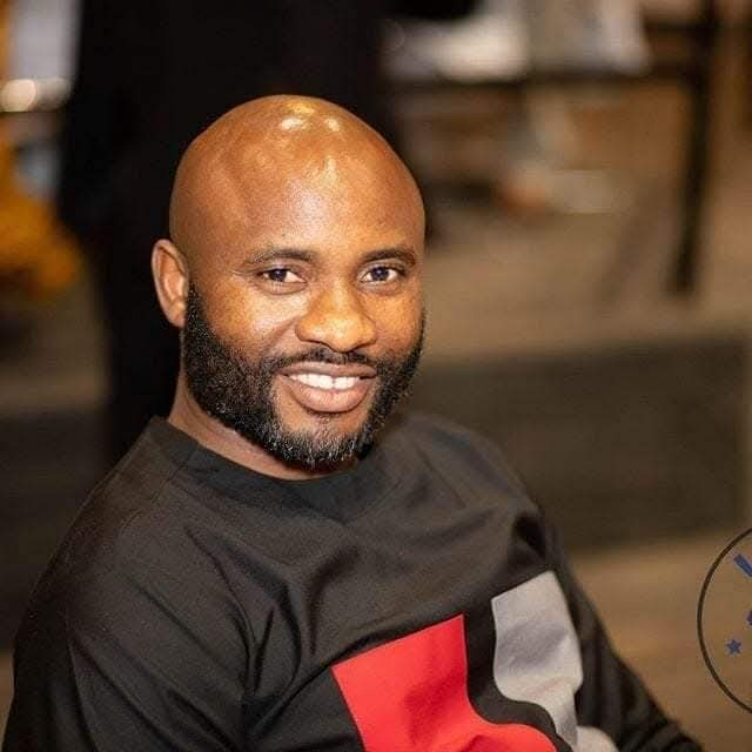
Activist Tennie Jallah told our reporter that Liberians now ask a difficult question: “Has the Church become part of the problem?”
Across Liberia, the Church enjoys freedoms that many faith communities around the world do not: full freedom to preach, gather and evangelize. Yet, as Jallah reminds us, freedom brings responsibility.
He observes that while the number of churches is multiplying across communities, families are sinking deeper into poverty, microphones grow louder, but tangible impact grows weaker.
As one illustration: more than half of the population still lives below the national poverty line.
Among those in rural areas, the share of multidimensional poverty reaches 75%.
Believers may be urged to sow seeds of faith, he argues, yet those seeds too rarely yield community empowerment or social transformation.
In Jallah’s sharp critique: churches cannot continue to act like spiritual ATMs, taking from the poor without giving back.
Jallah acknowledges that prayer remains vital, but argues that not every crisis demands prayer alone.
Drawing from scripture, he points out that Jesus did more than pray: He healed the sick, fed the hungry, confronted corrupt leaders. He intervened where human suffering was real and he expects churches in Liberia to emulate this.
Today, however, Jallah says too many churches respond to human suffering with spiritual slogans: “Pray harder. Have more faith.” He warns: Prayer without action is abandonment, emphasizing further that Liberians Are Suffering, And They Suffer Alone.
He named some visible challenges the people are going through daily to include; communities collapsing under drug addiction, violence and illiteracy, young people overdosing on narcotics, pregnant teenagers sleeping in marketplaces, families unable to afford school fees and children roaming the streets without education or direction.
He asks: Where are the church-run rehabilitation centres? Where are vocational and entrepreneurship programmes? Shelters for abused women, street children, the homeless?
“All the while, the Church preaches prosperity while the people perish”, he added.
He pointed out that, Around the world, faith communities play strategic roles in shaping nations: in the U.S., churches often lead disaster-response and push governments to act; in Kenya and South Africa, religious bodies advocate for policy reform and hold leaders to account.
In Liberia? When corruption rises or leaders fail, Jallah says the Church whispers or worse, remains silent. Pastors bless politicians without questioning their actions, warning that a silent Church is a dangerous Church.
According to him, if the Church Remains Silent, Liberia Will Suffer.
A church unwilling to defend its people will eventually lose relevance and influence, Jallah insisted.
He maintained that if the Church does not protect the vulnerable, champion justice and empower communities, it forfeits the moral authority to claim to speak for the nation.
Social and ideological extremism grow where hopelessness lives, and silence creates a vacuum that someone else will fill.
Liberians, he reminded the church, are not asking for luxury, they are asking their Church for: accountability, compassion, practical help and Christ-like leadership.
As the Bible states: “Faith without works is dead.” A church that prays without serving, he says, is spiritually paralysed.
In a bid to regain lost image and influence, Jallah urges the Church to return to its purpose: to serve people, not profit from them; to empower the poor, not exploit their desperation; to preach justice and live it.
Liberia does not need more sermons, it needs a Church that shows up, he re-emphasized.
“Freedom is not a licence for silence. Freedom is a responsibility and now, it’s the Church’s turn to prove it,” he re-emphasised.
Around 52.3 % of Liberians are multidimensionally poor, deprived across health, education and living-standards.
In rural areas, multidimensional poverty climbs to 75.4% Under the national poverty line, about 50.9 % of the population lived in poverty in 2016.
The institutional role of church leaders in Liberia is significant, they act as intermediaries between citizens and the state.
Given this context, the silence of the Church is not simply a theological issue, it is a social, moral and national concern.
Support Independent Journalism
Your support helps FrontPage Africa continue delivering independent, credible, and impactful journalism. Every contribution strengthens our ability to investigate, inform, and hold power accountable while keeping quality journalism accessible to our readers.
Support our journalism or subscribe to receive the latest FrontPage Africa stories and updates.