MONROVIA — For five days, water and climate experts, government officials, civil society representatives and development actors sat around the same table—not only to discuss Liberia’s water challenges, but to begin shaping a plan they hope will attract the investments needed to address them.
By Patience M. Jones,[email protected]
The Liberia Water and Sewer Corporation (LWSC), in partnership with the African Union Commission (AUC), on Friday concluded a five-day Climate-Resilient Water Investment Planning Workshop in Monrovia, with participants calling for stronger institutional coordination, political commitment and sustained technical support to turn the training into concrete projects.
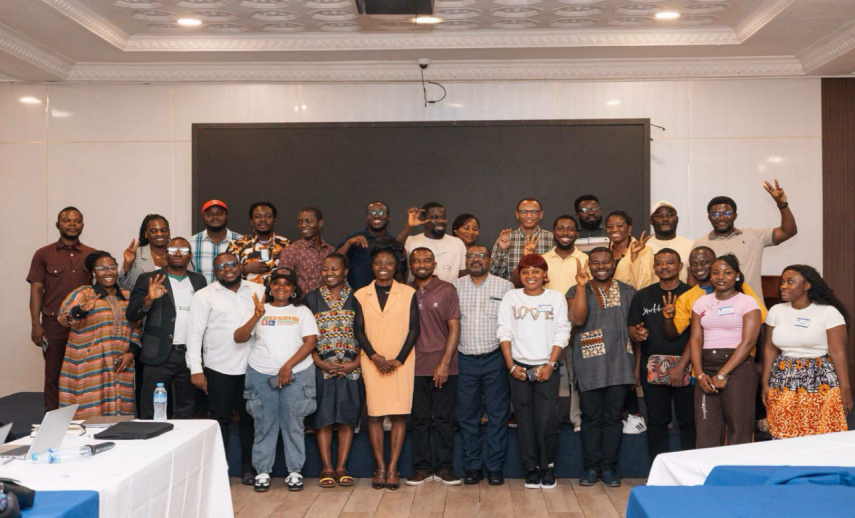
Held at Bella Casa Hotel in Sinkor, the workshop brought together approximately 30 participants from the Environmental Protection Agency (EPA), National WASH Commission and other institutions involved in Liberia’s water, sanitation and climate sectors.
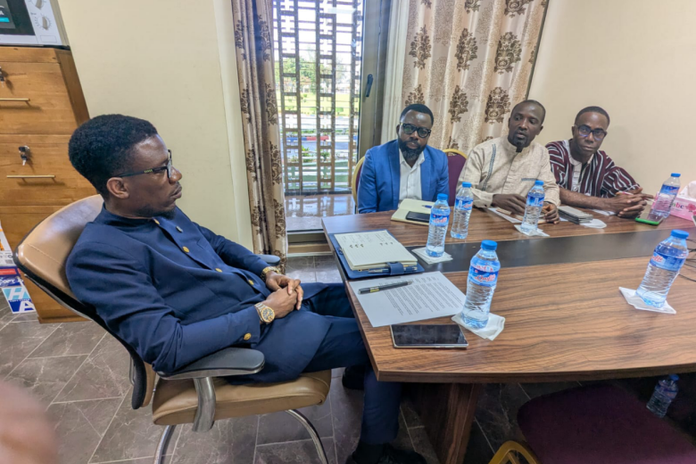
The closing day focused on consultations and technical support for the development of Liberia’s Climate-Resilient Water Investment Plan (CR-WIP), with participants reviewing priority actions, identifying areas requiring additional support and outlining the next steps for advancing the plan.
For many participants, the five-day engagement was more than a training exercise.

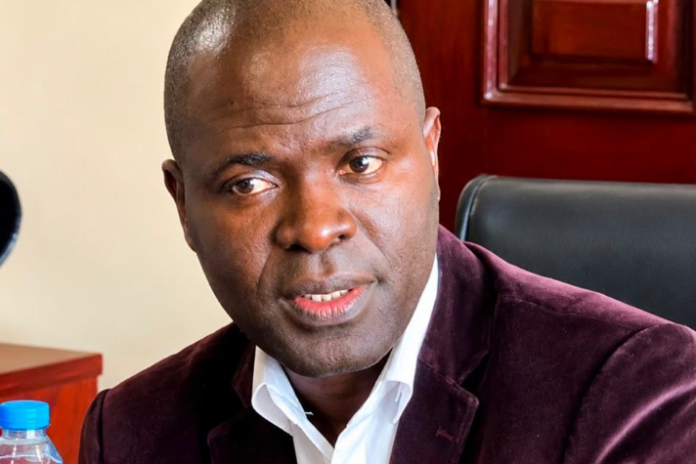
Mohammed J. Massaley, Senior Programme Manager at WaterAid, said the workshop came at a critical moment for Liberia, as communities continue to experience the effects of climate change, including coastal erosion and flooding.
“For the past five days, we have learned a lot around developing a water investment plan for Liberia, which is very key at this critical juncture,” Massaley said.
He pointed to communities such as West Point, where sea-level rise and erosion are visible, and other areas affected by flooding, arguing that Liberia needs a climate-resilient investment plan capable of protecting water services and responding to emerging climate threats.
Massaley also noted that Liberia’s previous investment plan for the water sector dated back to 2011 and expired in 2017, leaving the sector without a current investment framework.
He called for stronger political commitment from the government to ensure that the work initiated through the workshop receives the attention and support necessary for implementation.
Timothy Kieh, Head of Secretariat and National Coordinator of the WASH Legislative Caucus Secretariat/Civil Society WASH, said the workshop highlighted the importance of coordination among institutions.
He urged stakeholders to ensure that the process does not end with the training but continues toward implementation.
“It is clear that this is not the end of this entire process. This is just a training,” Kieh said, emphasizing the need for stakeholders to work together to develop the climate-resilient investment plan.
Kieh further pledged to brief civil society constituents on the outcome of the workshop and engage the Legislature to help secure legislative support for implementation.
For Frances B. Doe, Administrator at the Liberia Hydrological Service of the Ministry of Mines and Energy, the workshop underscored the need for stronger data collection to guide investment decisions.
She said Liberia must work collectively as a water sector and increase data collection so that future investments are properly informed and capable of delivering results.
Emmanuel S. Kolleh, Senior WASH Supervisor at the Environmental Protection Agency, described the training as timely, noting that participants gained knowledge on climate-resilient planning, investment and coordination among ministries, agencies and commissions.
A Plan That Must Move Beyond the Workshop
While participants reflected on what they had learned, the African Union Commission delegation stressed that the workshop was only the beginning.
Kidanemariam Jember, Technical Advisor for Water Security, Climate Resilience and Gender Equality and Coordinator for Technical Support to the Africa Water Investment Programme at the Global Water Partnership Southern Africa and Africa Coordination Unit, said the next major step is to develop a pipeline of projects capable of attracting investment.
“Without a pipeline of projects, you cannot attract investors,” Jember said, explaining that technical support would continue to help Liberia prepare projects for development and climate financing.
He said the support could also include investment matchmaking, where Liberia presents prepared projects to potential investors.
Francis Meinrald Mtitu, Advisor for Transboundary Water Management and Investment at the African Union Commission, said the AUC’s involvement was part of a broader directive from African heads of state and government for member states to develop climate-resilient investment plans.
Mtitu said the African Union would continue working with Liberia beyond the training, including through peer-to-peer learning with other African countries that have advanced further in developing climate-resilient water investment plans.
He said the ultimate objective is to produce “bankable project proposals” capable of attracting financing and addressing Liberia’s water and sanitation infrastructure challenges.
According to Mtitu, Liberia’s aging water infrastructure, coupled with climate-related pressures such as coastal erosion, makes investment in the sector increasingly important.
He said water and sanitation are fundamental to development in areas including agriculture, education and health.
LWSC: Workshop Must Produce Practical Results
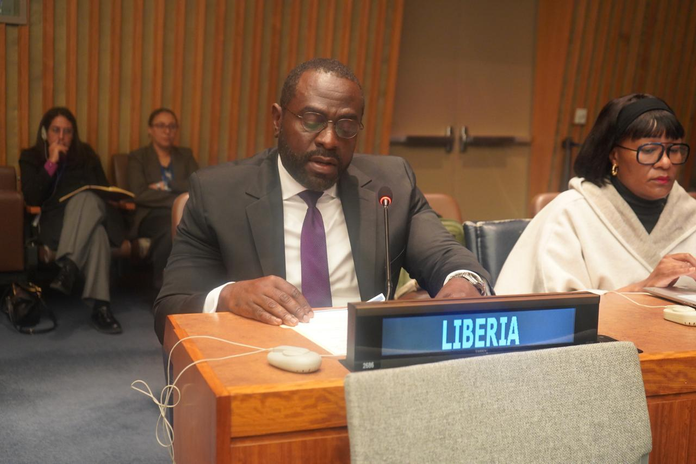
Speaking on behalf of LWSC Management at the closing ceremony, Deputy Managing Director for Administration, Hon. T. Wilson Gaye, thanked the African Union Commission for sending a high-level delegation to support capacity building in Liberia.
Gaye said the workshop had two major objectives: strengthening collaboration and partnerships and positioning Liberia to attract investment for climate resilience.
“The workshop has two key objectives. One, to build collaboration and partnership, and then two, to position Liberia appropriately for investment with respect to climate resilience,” Gaye said.
He said LWSC now expects the partnership with the African Union Commission to move beyond training toward practical outcomes, including the development of a climate-resilient master plan and investment opportunities for Liberia.
Gaye also disclosed that discussions were already underway to establish working groups that would guide the development of a roadmap for climate-resilient investment.
He urged participants from government institutions, civil society, youth and student groups to remain engaged in the process.
Beyond Certificates
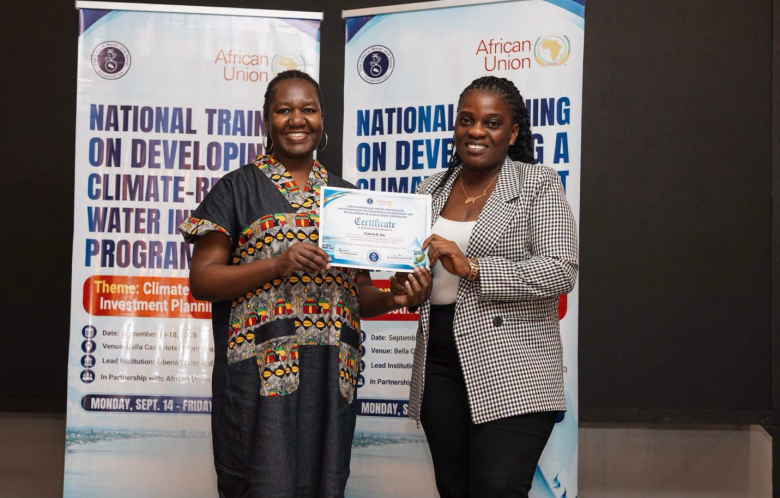
But for members of the African Union delegation, the certificates represented only one part of what had been accomplished.
Mtitu reminded participants that the certificate was “just a piece of paper,” emphasizing that the real value of the workshop was the knowledge, relationships and commitments developed during the five days.
The closing ceremony also became an emotional moment for members of the visiting delegation, who repeatedly expressed appreciation for the hospitality they received in Liberia.
Evelyn, speaking on behalf of the African Union team and facilitators, described the reception as deeply memorable, saying she had never experienced such hospitality during her travels.
She praised Liberians for their warmth, openness and welcoming spirit, saying the experience demonstrated the importance of Africans embracing and supporting one another.
She also encouraged the young Liberian participants to continue developing their skills and contributing to the growth of their country.
For the participants, however, the real test begins after the certificates are collected.
The challenge now is to transform the consultations, technical knowledge and roadmap developed during the five-day engagement into a climate-resilient water investment plan and ultimately into funded projects capable of improving access to water and sanitation for Liberians.
Support Independent Journalism
Your support helps FrontPage Africa continue delivering independent, credible, and impactful journalism. Every contribution strengthens our ability to investigate, inform, and hold power accountable while keeping quality journalism accessible to our readers.
Support our journalism or subscribe to receive the latest FrontPage Africa stories and updates.