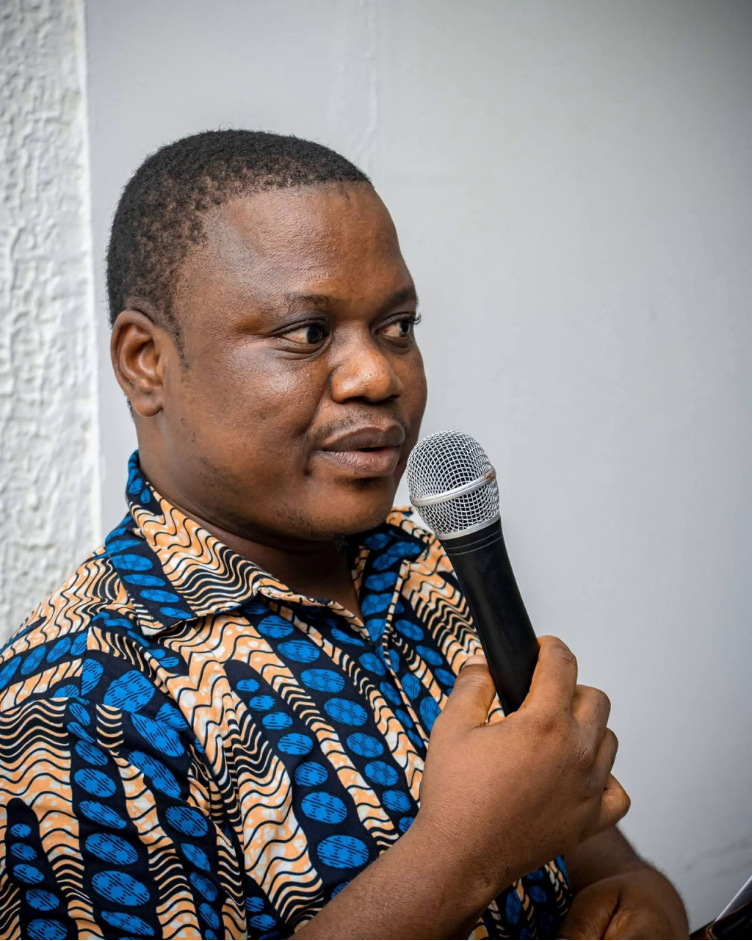
Monrovia — The Center for Transparency and Accountability in Liberia (CENTAL) has released a research report exposing serious shortcomings in the management of the County Social Development Fund. The report, titled “Open Expenditure: Examining CSDF Projects in Six Counties,” was presented on Wednesday at CENTAL’s headquarters in Monrovia by Executive Director Anderson Miamen.
By Francis G. Boayue
According to Miamen, the study, conducted in June 2025, assessed over 30 project sites across Nimba, Bong, Grand Bassa, Bomi, River Cess, and Gbarpolu Counties to determine whether the CSDF, designed to deliver local development, is achieving its intended goals. The report highlights patterns of centralized fund allocation that often bypass the rural communities meant to benefit from these resources, with much of the money instead directed toward government infrastructure in county capitals.
One of the most alarming findings involved a school construction project in Gbarnga, Bong County, where CENTAL researchers observed children working as laborers, in direct violation of Liberia’s Children’s Law of 2011. Miamen emphasized that while the local administration eventually intervened, the incident points to a systemic failure in contractor oversight and project monitoring, raising concerns about the safety and legality of labor practices at other CSDF sites.
In Bomi County, the Jawajeh Town Hall Project illustrated poor contract management, with unauthorized changes to the project scope driving up costs and leaving the building incomplete for years. Similar trends were observed across other counties, revealing that while the CSDF’s mandate is to decentralize development, the majority of funds are concentrated on administrative buildings and government operations rather than tangible community-centered projects such as schools, clinics, and youth centers.
The report further criticized the exclusion of local communities from decision-making processes, noting that residents have limited access to information on disbursements and little influence over how funds are spent.
In Grand Bassa, Nimba, and Bong Counties, CENTAL documented repeated cases where infrastructure projects lacked basic accessibility features, undermining inclusivity for people with disabilities. In Bunadin, Nimba County, a completed youth center was found to be non-functional due to the absence of essential operational amenities, demonstrating a broader trend of constructing facilities without the necessary support systems to ensure their usefulness to the public.
At the county governance level, the report identified persistent capacity gaps that hinder effective oversight. County Councils, as mandated under the Local Government Act of 2018, struggle with unfilled staff positions, insufficient stipends, and limited logistical support, weakening their ability to monitor CSDF projects. Tensions were reported in River Cess County over constrained resources, further illustrating how inadequate support at the local level compromises accountability and project implementation.
CENTAL called on the Ministry of Finance and Development Planning to ensure timely release of CSDF allocations and concession contributions and urged the government to implement reforms that would improve project outcomes. Among the recommendations are the integration of accessibility features for persons with disabilities from the design stage, prioritization of high-impact projects rather than dispersing resources across multiple incomplete initiatives, empowerment of County Councils through adequate staffing and logistics, and the institutionalization of structured monitoring mechanisms involving civil society and community representatives.
Miamen stressed that stronger cooperation among the Ministry of Internal Affairs, County Administrations, and civil society organizations is essential to align development priorities, address bottlenecks, and ensure that CSDF resources effectively reach the communities they are intended to serve.
Support Independent Journalism
Your support helps FrontPage Africa continue delivering independent, credible, and impactful journalism. Every contribution strengthens our ability to investigate, inform, and hold power accountable while keeping quality journalism accessible to our readers.
Support our journalism or subscribe to receive the latest FrontPage Africa stories and updates.