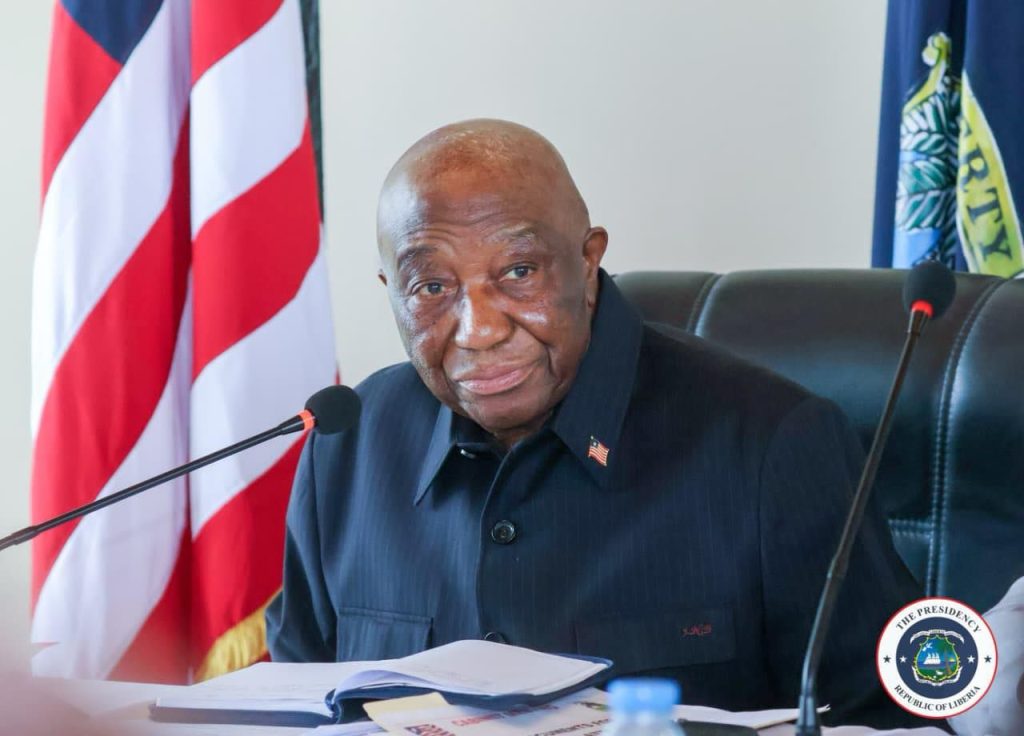
President Joseph Boakai is expected to meet with more than 1,000 young people in Buchanan,
Grand Bassa County, on July 25 for the third Youth Town Hall of his presidency, continuing an
initiative his administration says is aimed at strengthening dialogue between the
government and Liberia’s youth.
The event, organized by the Presidential Youth Advisory Council (PYAC), comes as Liberia
continues to grapple with high youth unemployment, limited economic opportunities and
persistent concerns over access to quality education, healthcare and business support.
According to population estimates, more than two-thirds of Liberia’s approximately 5.8 million
people are under the age of 35, making the country one of the world’s youngest populations.
That demographic profile has long intensified pressure on successive governments to
address issues affecting young people. Boakai’s administration has sought to place greater emphasis on youth engagement since
taking office. After a turbulent start marked by disputes surrounding the Federation of Liberian
Youth, the president established the Presidential Youth Advisory Council to provide young
people with a formal channel for contributing to government decision-making.
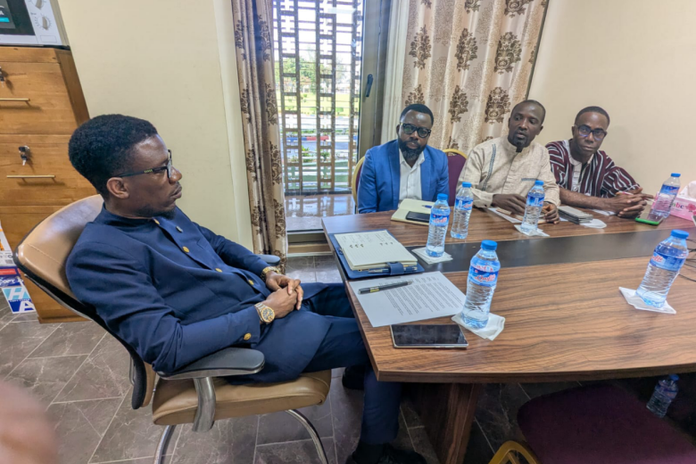
Mandela Gbollie, chairman of the Presidential Youth Advisory Council, said this year’s
gathering is expected to bring together participants from counties across Liberia for a
daylong discussion with the president. “This event will be an opportunity for young people to bring to the president their needs,
aspirations and expectations of the government,” Gbollie said.
He also said the administration intends to make the youth town hall a recurring feature of
Boakai’s presidency.
The effectiveness of the initiative, however, remains an open question.
One notable outcome from an earlier town hall came after participants urged the president
to appoint a Youth Advisor, a recommendation Boakai later implemented. Whether future
recommendations will similarly translate into government action remains to be seen.
For many young Liberians, the central issue is no longer whether they have opportunities to
speak with the president, but whether those conversations will produce measurable
improvements in employment, education, entrepreneurship and other issues that continue to
shape the lives of the country’s largest demographic.
Support Independent Journalism
Your support helps FrontPage Africa continue delivering independent, credible, and impactful journalism. Every contribution strengthens our ability to investigate, inform, and hold power accountable while keeping quality journalism accessible to our readers.
Support our journalism or subscribe to receive the latest FrontPage Africa stories and updates.