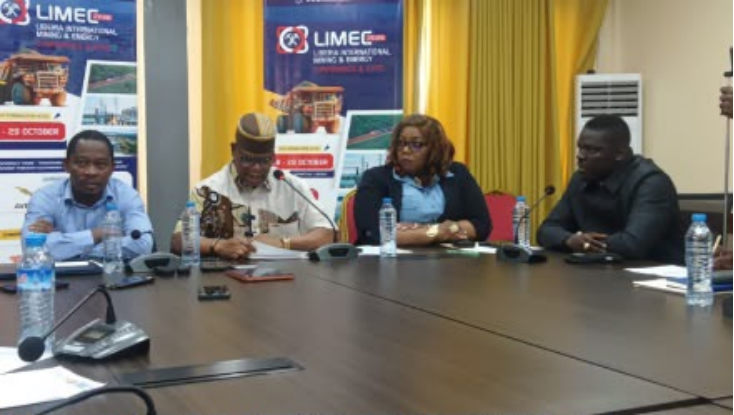
IN NINE DAYS, ministers, mining executives, bankers and development partners will gather for the Liberia International Mining and Energy Conference and Expo, LIMEC 2026. There will be keynote speeches, gala dinners, signing ceremonies and a great many photographs.
LIBERIANS HAVE SEEN this film before.
WE HAVE WATCHED investment forums come and go, leaving behind glossy brochures, memoranda of understanding that quietly expire, and officials who return from the stage with little more than a social media album. We cannot afford for LIMEC to join that list. The stakes are too high, and the moment is too rare.
TO HIS CREDIT, Mines and Energy Minister R. Matenokay Tingban has set the right standard. LIMEC, he said at the launch, “must be measured not only by the quality of its discussions, but also by the investments it attracts, the partnerships it builds, the jobs it helps create, and the lasting benefits it delivers to the Liberian people.”
WE AGREE. AND we intend to hold the government to its own yardstick.
A history we must not repeat
LIBERIA KNOWS BETTER than most countries what it means to be rich in minerals and poor in outcomes. In the decades when LAMCO and Bong Mines made this nation one of the world’s leading iron ore exporters, the wealth flowed out through the ports of Buchanan and Monrovia while much of the population remained in poverty. That gap between the riches beneath our soil and the lives lived above it helped sow the grievances that tore the country apart.
TODAY, THE NUMBERS are moving again. ArcelorMittal has invested some $3.5 billion and is ramping toward 18 million tons of iron ore this year. A U.S. company has secured access to our railway to carry Guinean ore to Buchanan. New producers are lining up. The IMF projects 5.5 percent growth, driven by mining. Organizers say more than $3 billion in fresh investment is on the horizon.
THIS IS PRECISELY when a country either breaks with its past or repeats it.
What the government must do
FIRST, PUBLISH EVERYTHING that is signed. Every memorandum, letter of intent and agreement concluded at LIMEC should be made public, with named parties, dollar values and timelines. Ninety days after the conference, the Ministry of Mines and Energy should report to the Legislature and the public on what has moved from paper to ground. An MOU that is never published is not an achievement; it is a photograph.
SECOND, BE TRANSPARENT about the conference itself. LIMEC is being organized with a private events firm, AME Trade Ltd, under an agreement that entitles the Liberia Chamber of Mines to a share of the net profits. That arrangement may be perfectly sound. But Liberians deserve to know what the event costs, who is paying, who the sponsors are, and whether any public money is involved. A conference about transparent resource governance should practice it.
THIRD, FINISH THE rules before selling the game. In February, the minister said a new mining code would be ready within three months. Eight months later, lawmakers are still holding hearings and passing piecemeal amendments. Serious investors do not fear firm rules; they fear uncertain ones. The government should use LIMEC to present a clear timetable for a comprehensive mining law — including how proposed state equity stakes will apply, and to whom — rather than leaving the biggest question in the room unanswered.
FOURTH, GIVE HOST communities a seat, not a souvenir. The people of Grand Cape Mount have complained of homes cracked by blasting, polluted waterways and unfulfilled promises of schools, clinics and jobs. Nimba communities have their own long list. Community leaders, civil society, artisanal miners and county lawmakers belong in the conference hall and on the panels — not outside the gate. Investors should hear directly from those who will live with the consequences of their projects.
FIFTH, DEMAND A fair share — through the law. Gold prices have climbed to historic highs while Liberia’s largest gold producer pays a flat 3 percent royalty. Senators are right to ask whether such terms still serve the national interest. But the answer must come through lawful review and transparent negotiation, not public threats that frighten away the very investment we seek. Fairness and predictability are not opposites; the government must deliver both.
SIXTH, MAKE LOCAL content measurable. Speeches about Liberian jobs, Liberian suppliers and Liberian managers are cheap. Targets are not. Every new investment showcased at LIMEC should come with published commitments on local hiring, procurement and skills training, and a mechanism to check whether they are met.
SEVENTH, FIX THE power problem. Barely a third of Liberians have electricity. Without reliable, affordable power, the minister’s call to move beyond raw extraction toward processing and value addition will remain a slogan. Energy deals announced at LIMEC should be judged by megawatts delivered and households connected, not by announcements made.
FINALLY, NO RUSHED deals. Half of Liberia’s forested land is already covered by proposed or active mining licenses. Nothing should be signed in the excitement of a conference that bypasses environmental review or legislative scrutiny. The investors worth having will wait for due process.
Not a stage for politicians
WE ALSO SAY plainly: LIMEC must not become a showcase for officials hungry for headlines. Liberians do not need another procession of oversized delegations, generous per diems and staged handshakes. They need a working conference — technical, focused and accountable.
THE TRUE TEST will not be held at a hotel near Monrovia on October 28 and 29. It will be held a year from now in Yekepa, Kinjor, Buchanan and Gbarnga: in the jobs that exist, the clinics that open, the rivers that run clean, the lights that come on and the revenues that show up in the national budget.
THE GOVERNMENT HAS promised Liberians that this time will be different. LIMEC is its chance to prove it. We will be watching — and so will the Liberian people.
Support Independent Journalism
Your support helps FrontPage Africa continue delivering independent, credible, and impactful journalism. Every contribution strengthens our ability to investigate, inform, and hold power accountable while keeping quality journalism accessible to our readers.
Support our journalism or subscribe to receive the latest FrontPage Africa stories and updates.