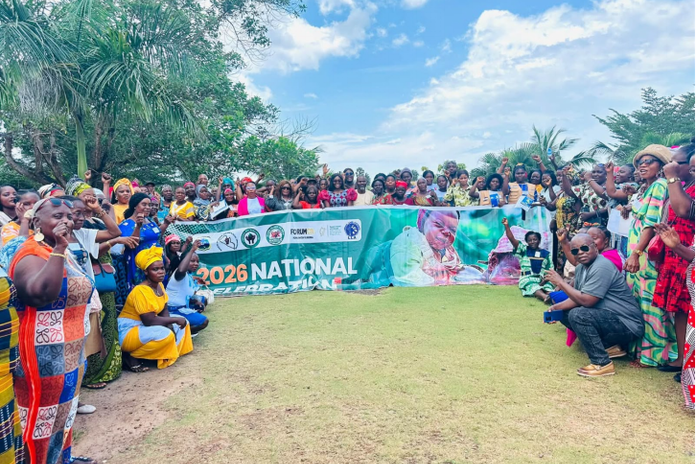
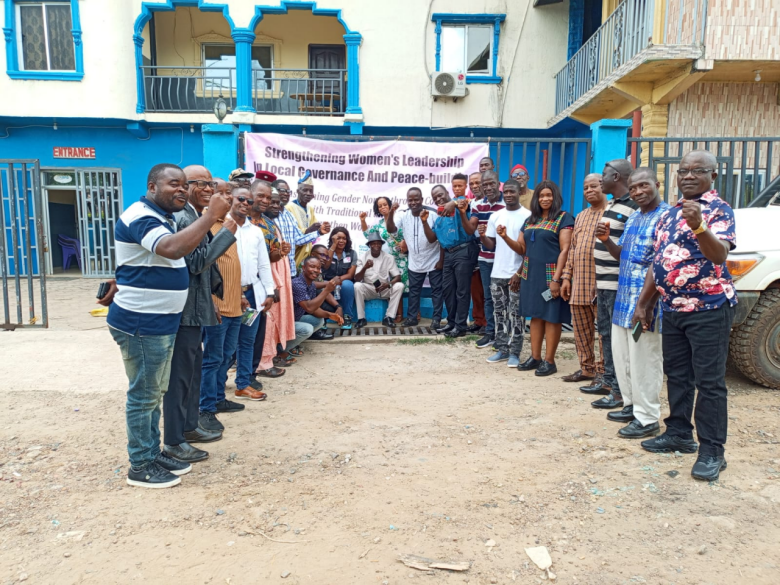
Ganta, Nimba County – The Women NGOs Secretariat of Liberia (WONGOSOL) wrapped up a transformative two-day regional dialogue on March 12-13, 2026.
By D. Franklin Doloquee / Nimba County
The event in Ganta shattered barriers to women’s leadership in local governance and peace building, drawing over 30 participants including more than 20 influential male leaders from Nimba, Lofa, and Grand Gedeh Counties.
The Women NGOS Secretariat of Liberia (WONGOSOL) Executive Director, Esther S. D. Yango, opened the proceedings with a stirring welcome, her voice rising like a Kpelle drumbeat amid the humid air thick with the scent of roasting cassava and blooming hibiscus.
She honored key partners, including the Embassy of Ireland and UN Women Liberia for their “unwavering partnership and bold leadership” in advancing gender equality.
Madam Yango also thanked the Governance Commission, Ministry of Local Government and County Superintendent Offices for uniting participants
“Under one roof today,” despite rutted roads slick with rainy-season mud and swollen streams.
The dialogue anchored the multi-year project “Strengthening Women’s Leadership in Local Governance and Peace building,” funded by the Irish Government from 2025 to 2028.
Spanning Liberia’s rugged terrains from thatched-roof town halls nestled in lush oil palm groves to dusty market squares buzzing with moto-taxis this initiative elevates women’s voices in decision-making.
Early wins include training 500 women leaders in Nimba and Lofa, who have mediated over 200 land disputes using traditional “Peace Hut” methods, where disputes dissolve over shared bowls of palm wine and proverbs etched in collective memory.
Historical Resilience Meets Modern Challenges Liberian women, Madam Yango noted, have long been pillars of resilience.
She evoked the market women’s barefoot marches during the civil war, their chants piercing gunfire as they demanded peace in Monrovia’s chaotic streets, and today’s Peace Hut mediators in remote Gola Forest communities.
There, under mango trees heavy with ripe fruit, they resolved conflicts on woven mats stained with kola nut juice from hours-long palavers, the air humming with cicadas and the earthy tang of fermented cassava fufu.
Yet stark disparities endure.
Government data shows women hold fewer than 10% of traditional roles like Paramount Chiefships hereditary positions symbolized by colorful kanzu robes, elephant-tusk staffs and rituals in sacred groves.
Deep-rooted norms, from secretive Poro initiation rites for men to village customs deeming leadership a “man’s domain,” persist.
‘‘Advancing gender equality is the bedrock of democratic governance, social justice, and sustainable peace,” Madam Yango declared.
She called on men from superintendents in crisp suits to chiefs in symbolic regalia, elders with wisdom etched in sun-weathered faces, religious leaders quoting Quranic verses or Biblical parables, and officials linking policy to dusty village paths to champion change.
The event forged ties between these influencers and women’s networks, like the iconic Peace Huts, grassroots hubs where women brew palm wine, weave baskets, and broker peace through heartfelt dialogue.
Immersive Sessions and Actionable Pledges Over two days, participants dove into immersive sessions: facilitated discussions around crackling firesides, sharing proverbs from Liberia’s 16 ethnic groups; storytelling rooted in Kpelle and Bassa oral traditions; peer exchanges; and role-playing real dilemmas, like dividing scarce rice harvests amid ethnic tensions or negotiating chieftaincy feuds in Nimba’s hilly gold-mining regions, where pickaxes echo and rivers run mercury-tinged.
“This isn’t mere talk,” Madam Yango emphasized. Each county delegation drafted actionable plans with measurable goals: mentoring aspiring female chiefs, reserving seats for women in palaver huts, and weaving gender lenses into local budgets for borehole repairs, school expansions, and climate-resilient farming. Progress will track via quarterly reviews and community scorecards, targeting milestones like gender-balanced superintendent councils and peace committees resolving herder-farmer standoffs.
“At WONGOSOL, we hold firm: when women and men partner as equals, societies grow resilient like cotton tree roots, governance turns inclusive like a shared communal farm, and peace endures like the St. Paul River’s steady flow,” she said.
Leaders braved potholed roads flanked by cassava farms and rubber plantations, signaling deep commitment.
Local Leaders Pledge Support
Prince Yeah, Political Liaison Officer in Nimba County’s Superintendent Office, delivered warm greetings on behalf of Superintendent Kou Gono.
His resonant voice echoed across the vibrant crowd dotted with colorful lappa wrappers, kente headscarves, and suits amid humid dawn air laced with woodsmoke.
“Women play a pivotal role in Nimba’s resilient communities,” Mr. Yeah declared, met with nods from women’s groups, youth activists, and UN Women reps.
“They are peace builders, mobilizers, and drivers of progress. Empowering them fosters inclusive decisions and sustainable peace. Nimba, a southeastern powerhouse of rubber plantations, iron ore mines, and post-war reconciliation, sees women as the backbone of family farms and markets like Sanniquellie.’’
Yet formal roles in councils remain male-dominated a gap this program bridges via training, mentorship, and advocacy for the 2029 Elections.
Mr. Yeah urged the 150-strong crowd, including market women from remote villages and aspiring councilors, to share bold ideas.
“Our mothers held us through war; now they must lead us through peace,” representatives from others counties echoed this.
Methuselah M. Gbigbi, Lofa County Service Center Coordinator, spoke for Superintendent J. Lavelah Massanquoi, pledging continued support for women’s inclusion from village councils to superintendent roles.
Daniel Wondee, Grand Gedeh District Commissioner and Council Chairman, represented his county’s authority, boasting of their female agriculture coordinator’s stellar work in boosting yields amid erratic rains.
Both stressed women’s key roles in transformative leadership.
Ripple Effects and Next Steps Early buzz highlighted inspirations like Nimba’s female chiefs, clad in bold lappa wrappers, brokering peace in gold-rich feuds. Organizers expect a ripple effect, building on post.
Support Independent Journalism
Your support helps FrontPage Africa continue delivering independent, credible, and impactful journalism. Every contribution strengthens our ability to investigate, inform, and hold power accountable while keeping quality journalism accessible to our readers.
Support our journalism or subscribe to receive the latest FrontPage Africa stories and updates.