Monrovia, Liberia — Liberian small and medium-sized enterprises (SMEs) have been encouraged to take advantage of regional and international trade opportunities while strengthening the quality, management, and marketability of locally produced goods.
By Patience M. Jones,[email protected]
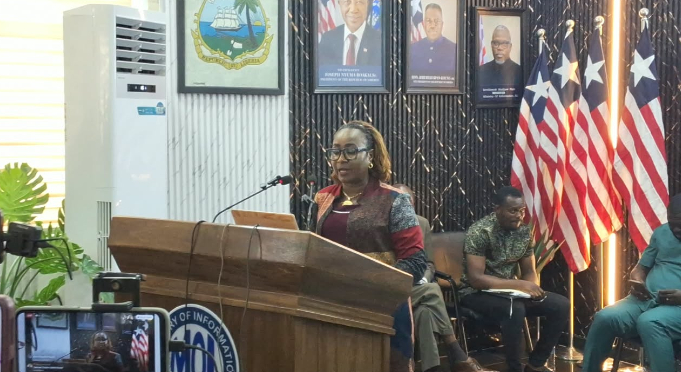
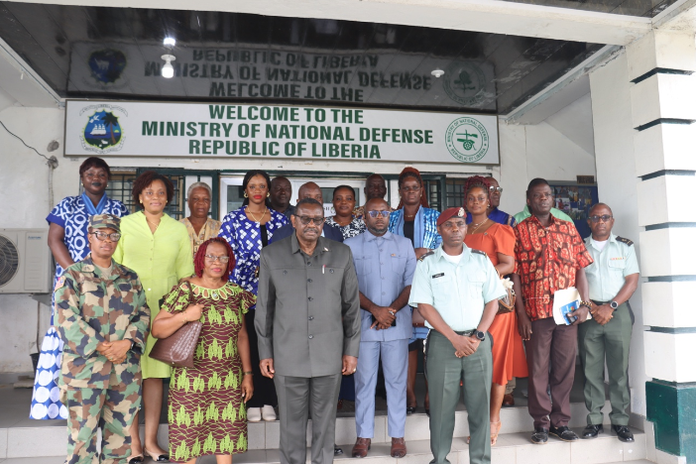
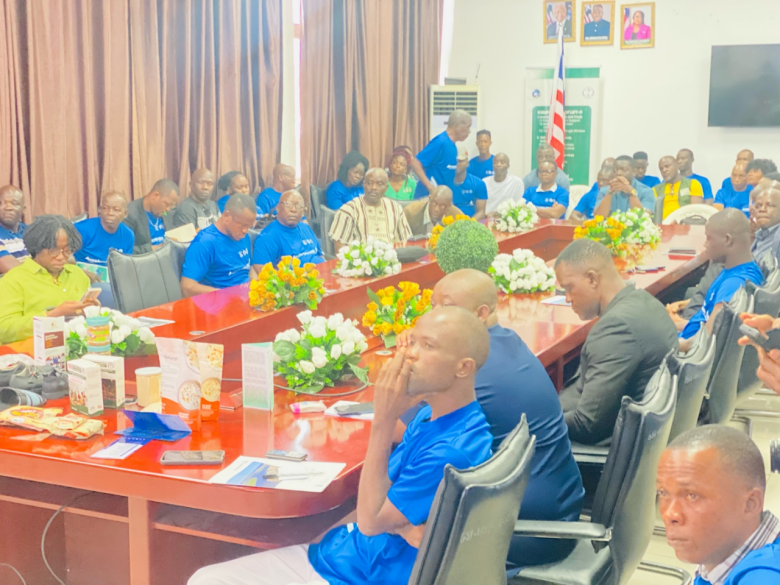
The call was made during the final day of a three-day engagement series organized under the Accelerate360 Liberia Program, which brought together SMEs, government institutions, procurement stakeholders, financial institutions, and development partners to strengthen market access, improve access to finance, and foster closer collaboration between the private sector and government.
Held at the Ministry of Commerce and Industry in Monrovia, the final engagement provided participating businesses with an opportunity to showcase their products, share their entrepreneurial journeys, and engage directly with the Honourable Minister and Ministry officials on challenges, opportunities, and policy issues affecting business growth.
Speaking at the event, Mr. Prosper Melomey, Chief of Party of Accelerate360 Liberia, noted that the three-day series was intentionally structured around three critical areas for SME growth: market access, access to finance, and government engagement.
He explained that the first day focused on connecting participating SMEs with public sector procuring entities and procurement regulators to help them better understand and access opportunities arising from the 25 percent procurement reservation for SMEs under the Small Business Empowerment Act. The second day focused on linking SMEs with financial institutions and financing partners to explore practical pathways to accessing capital and improving business readiness.
Mr. Melomey highlighted that the program has identified more than US$100 million in potential annual public procurement opportunities that could be accessible to SMEs through the 25 percent procurement reservation. He also noted that access to finance remains a major constraint for Liberian businesses, citing World Bank Enterprise Survey findings showing that approximately 40 percent of SMEs identify financing as a significant obstacle to growth.
According to him, Accelerate360 is actively working to improve access to finance for participating businesses, including the submission of approximately 45 SMEs to the Youth Entrepreneurship Investment Bank for consideration and supporting ongoing engagements between SMEs and financial institutions.
“Today, the emphasis is on bringing SMEs closer to the Ministry as the institution responsible for supporting SME development and private sector growth,” Melomey said, noting that the engagement also marked the completion of the core intervention journey for the program’s first cohort.
Entrepreneurs Share Their Journeys
Among the entrepreneurs sharing their experience was Angia Talo-Davis, founder of Angia Agri-Hub, an agriprocessing company that transforms locally grown agricultural products into ready-to-eat and ready-to-cook products.
Talo-Davis said her entrepreneurial journey was inspired by her mother’s health challenges, particularly hypertension.
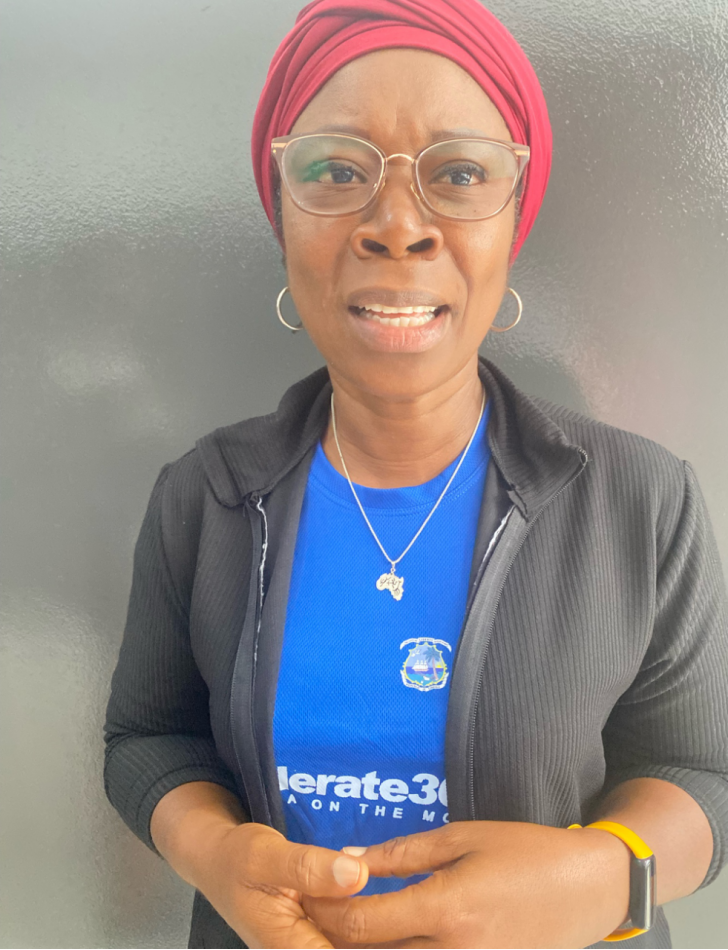
She explained that she began producing salt-free mixed spices using ingredients such as rosemary, garlic, ginger, bay leaf and cloves as an alternative way of adding flavor and potential nutritional value to food.
“My motivation came from my sick mother,” she said.
She said her business now produces powdered ginger and mixed spices without salt, preservatives or additives, targeting consumers who want convenient and healthier food options.
However, Talo-Davis identified access to markets and competition from imported products as major challenges facing locally produced goods.
She said Liberian consumers must be encouraged to support locally produced products, stressing that the country’s agriprocessing sector has significant potential despite the challenges.
Through Accelerate360, she said her business has benefited from technical support in areas including governance, staffing, funding opportunities and market access.
“Let’s grow, eat Liberia and add value to what we’re eating instead of just depending on what is coming in,” she urged Liberian business

Stephanie M. Duncan, Co-Founder of Stebel’s Classic Shoes, a Liberian-owned manufacturer of leather footwear, shoes, slippers, and sandals, said Accelerate360 has provided her business with valuable technical assistance, including training in business management and financial management.
While acknowledging that business growth has been gradual, Duncan described the outlook as promising and emphasized the importance of supporting locally manufactured products to strengthen Liberian enterprises.
According to her, building a successful business requires more than access to capital. She noted that entrepreneurs must also possess the skills and systems necessary to manage resources effectively and sustain growth.

Maxwell Sensi George, Portfolio Manager at New Horizon Incorporated, also shared his company’s growth journey and aspirations for local manufacturing in Liberia.
New Horizon, which has long operated in construction and building-material sales, recently diversified into the production of toiletries, reflecting the company’s confidence in the potential of Liberia’s manufacturing sector.
George said the company sees significant opportunities for locally manufactured products but continues to face challenges, including a heavy reliance on imported raw materials, distribution constraints, and competition from imported finished goods.
According to him, the company has installed machinery with the capacity to produce nearly 400 tonnes per day, yet is currently operating at only about 25 percent of that capacity because of difficulties accessing raw materials, expanding distribution channels, and penetrating the market.
“We want to increase our distribution outlets so that Liberians in different parts of the country can be able to access our products,” George said.
He also challenged the perception that successful businesses must be foreign-owned, emphasizing that Liberian entrepreneurs possess the talent, capacity, and determination to build competitive enterprises that create jobs and contribute to national economic growth.
“Liberians have talents. Liberians have capacity,” he said.
Reflecting on the three-day engagement series, George noted that one of his key takeaways was the realization that financing opportunities do exist for Liberian businesses, but many entrepreneurs lack sufficient information on how and where to access them. He said engagements such as Accelerate360’s SME Finance Connect help bridge this information gap by creating direct connections between businesses and financing institutions.
Commerce Ministry Pushes Regional Trade
Deputy Minister for Commerce and Trade Remond Reeves challenged Liberian businesses to look beyond the domestic market and take advantage of trade opportunities across West Africa and beyond.
Reeves emphasized that private-sector growth must be at the center of Liberia’s economic transformation, noting that micro, small and medium-sized enterprises play a significant role in economic activity and employment.
He stressed that access to finance must be accompanied by access to markets.
“You can have access to finance and produce your products so much, but have no market to sell the products,” Reeves cautioned.
He encouraged export-ready businesses to take advantage of regional trade mechanisms, including the ECOWAS Trade Liberalization Scheme, which allows qualifying products to move within the West African region without customs duties once the required certificate of origin is obtained.
Reeves also highlighted opportunities under the African Continental Free Trade Area (AfCFTA) and other trade preference arrangements.
He said the Ministry of Commerce, together with the Small Business Administration and Accelerate 360, would work toward organizing dedicated sessions to help SMEs understand how to access regional, continental and international markets.
Ministry Urges SMEs to Manage Businesses Before Seeking More Funding
Deputy Minister for Administration Tarnue Jeke, speaking on behalf of the Minister of Commerce and Industry, said the government is prioritizing private-sector development, particularly the growth of SMEs into larger industries.
Jeke said structural barriers affecting businesses are being addressed through collaboration involving the Ministry of Commerce, the Central Bank of Liberia, the World Bank, African Development Bank and other partners.
He highlighted the enhanced collateral registry system introduced by the Central Bank, which allows businesses to potentially use movable assets such as machinery as collateral when seeking financing.
However, Jeke cautioned entrepreneurs against focusing solely on obtaining loans without understanding their businesses’ financial position.
He urged business owners to properly calculate their expenses, maintain accurate records and determine whether they are actually making profits.
“You may think the business is going on, but that’s not sustainability,” Jeke warned.
He encouraged SMEs facing challenges to make use of the Ministry’s Small Business Administration, particularly in the areas of capacity building, finance and market access.
Government Seeks More Liberian Businesses in Export Market
Jeke said the government’s broader objective is to create an environment in which Liberian businesses can move beyond survival and become competitive manufacturers and exporters.
He challenged the Ministry and its partners to ensure that more SMEs become capable of accessing regional, continental and international markets.
The Accelerate 360 dialogue ended with calls for stronger collaboration between government and the private sector, increased awareness of financing and procurement opportunities, improved product quality and packaging, and greater support for locally manufactured goods.
For the participating entrepreneurs, the three-day engagement was not only about accessing funding but also about building the knowledge, systems and market connections needed to make Liberian businesses sustainable.
As Liberia seeks to transform its economy, participants agreed that the growth of locally owned businesses will require both government support and greater commitment from entrepreneurs and consumers to buy, build and promote Liberian products.
Support Independent Journalism
Your support helps FrontPage Africa continue delivering independent, credible, and impactful journalism. Every contribution strengthens our ability to investigate, inform, and hold power accountable while keeping quality journalism accessible to our readers.
Support our journalism or subscribe to receive the latest FrontPage Africa stories and updates.