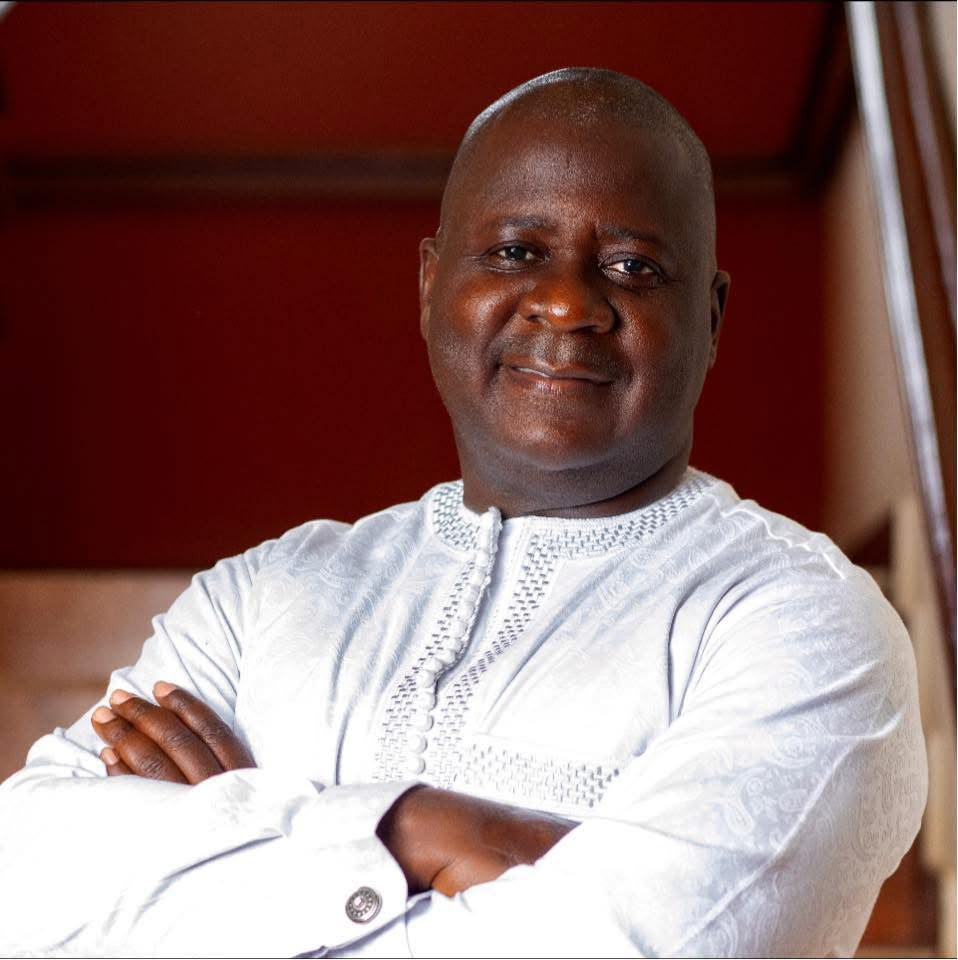
MONROVIA, Liberia — Liberia’s Commerce Ministry gets a new face today as businessman and former Deputy Public Works Minister Stephen Marka Yekeson Jr. assumes the acting ministerial post, bringing with him a career that has moved between government, corporate leadership and entrepreneurship. With Liberia seeking to expand local enterprise, strengthen trade and create more value from what the country produces, Yekeson enters a portfolio where his private-sector experience could prove particularly relevant.
By Philip Freeman, contributing writer
President Joseph Nyuma Boakai appointed Yekeson Acting Minister of Commerce and Industry on September 11, replacing Magdalene E. Dagoseh, who is being reassigned. His appointment was part of a wider reshuffle announced by the Executive Mansion.
The appointment places an experienced business executive at the head of a ministry whose work directly affects the country’s business community, consumers, traders and entrepreneurs.
Yekeson’s professional background stretches across business development, strategic planning, entrepreneurship, management consultancy and infrastructure development. CitiTrust Liberia describes him as a senior executive and business leader with more than 20 years of experience across those areas.
He is also the Group Chief Executive Officer of South Atlantic Capital Group, according to the company’s official leadership profile.
That private-sector experience could prove significant as the Commerce Ministry seeks to balance regulation with the need to create an environment in which businesses can grow.
A businessman returning to government
Yekeson is not new to public service.
He previously served as Deputy Minister for Administration at the Ministry of Public Works between 2012 and 2013 under former President Ellen Johnson Sirleaf.
His return to government therefore brings a combination of private-sector management and previous experience inside the Liberian public sector.
That combination could give him a different perspective on the relationship between government regulation and the realities businesses face.
At South Atlantic Capital Group, Yekeson has served in a corporate leadership role, while his professional profile highlights experience in strategic planning, entrepreneurship, management consultancy and infrastructure development.
His educational background also includes an MBA, with North Carolina Central University listed in his professional profile.
Why the business background matters
The Commerce Ministry is more than a regulator of markets.
Its responsibilities touch business registration, trade, consumer protection, market regulation, competition and efforts to create opportunities for local businesses.
That makes business experience particularly relevant to the portfolio.
Liberia’s private sector continues to operate in an environment shaped by high operating costs, limited access to finance, infrastructure constraints, dependence on imported goods and difficulties accessing larger markets. A minister with direct experience running a business could bring a practical understanding of some of those pressures into policy discussions.
The opportunity will be to translate that experience into policies that make commercial activity easier, while maintaining the government’s responsibility to protect consumers and enforce market rules.
A chance to strengthen the business environment
Yekeson’s appointment comes at a moment when the conversation around Liberia’s economy is increasingly focused on local enterprise. The country has taken steps to increase Liberian participation in certain reserved business sectors, while the Commerce Ministry has also been working to expand business registration services and support entrepreneurs.
The bigger challenge is turning those policies into an environment where Liberian businesses can actually compete and grow.
That requires more than simply reserving sectors.
Businesses need access to finance, reliable infrastructure, markets, information, skills and predictable regulations.
Yekeson’s experience in business development and strategic planning could give the ministry an opportunity to look at these issues from a broader commercial perspective.
From regulation to growth
One of the central questions surrounding his appointment will be whether the Commerce Ministry can strengthen its role as both a regulator and a facilitator of economic growth.
Market inspections, price monitoring and consumer protection will remain important. But the ministry also has a role in helping businesses understand regulations, formalize their operations, access markets and prepare to compete.
The potential advantage of Yekeson’s private-sector background is the possibility of placing greater emphasis on the practical realities behind those policies.
A business registration system, for example, becomes more meaningful when newly registered businesses can find financing, customers and opportunities to expand.
Likewise, trade policies become more valuable when Liberian producers can meet quality standards, access regional markets and compete with imported products.
The local production opportunity
Liberia remains heavily dependent on imported goods, while many of its agricultural and natural resources leave the country with limited processing and value addition. That presents one of the biggest opportunities within the Commerce portfolio.
A stronger focus on local production could connect farmers, manufacturers, traders and entrepreneurs to a larger domestic value chain. Instead of simply importing finished products, Liberia could create more opportunities to process and package goods locally, build businesses around domestic resources and eventually position more Liberian products for regional export.
Yekeson’s background in business development and infrastructure development could be useful in navigating some of the commercial and structural questions involved in that process.
A bridge between government and business
The private sector will also be watching how the new minister engages with businesses. Commerce policies can have immediate consequences for traders, manufacturers, importers, retailers and consumers.
A ministry that understands the concerns of businesses while maintaining strong regulatory standards could help reduce friction between government and the private sector. That balance will be important.
Businesses want predictable rules and a government that listens.
Consumers want fair prices, safe products and protection against abusive commercial practices.
The ministry sits directly between those interests.
The opportunity ahead
Yekeson begins his tenure with an existing policy agenda and a commercial sector looking for stronger results.
His background does not automatically guarantee success, but it gives the new acting minister experience from both sides of the public-private divide.
He has worked inside government, led a private-sector organisation and built a career around business development, strategic planning and management.
That combination could offer the Commerce Ministry an opportunity to bring a more business-oriented perspective to some of Liberia’s longstanding commercial challenges.
The immediate task will still involve regulation, consumer protection and market oversight.
The larger opportunity, however, lies in strengthening the conditions under which Liberian businesses can survive, expand, employ more people and compete beyond Liberia’s borders.
As Yekeson takes office today, attention will shift from his appointment to his approach. The coming months will show whether his private-sector experience, government background and management expertise can translate into stronger implementation, greater business confidence and a more competitive commercial environment.
The portfolio is demanding. But with a businessman now at the helm, the Commerce Ministry enters a new chapter with an opportunity to put business growth, local enterprise and stronger trade at the heart of Liberia’s commercial agenda.
Support Independent Journalism
Your support helps FrontPage Africa continue delivering independent, credible, and impactful journalism. Every contribution strengthens our ability to investigate, inform, and hold power accountable while keeping quality journalism accessible to our readers.
Support our journalism or subscribe to receive the latest FrontPage Africa stories and updates.