Denver, Colorado, USA — Liberia’s Environmental Protection Agency (EPA) has called for stronger global partnerships and investment to restore degraded rivers and wetlands, warning that without sustained financing and technical support, the country’s ambitious freshwater adaptation targets could remain “words on paper.”
By: Gerald C. Koinyeneh
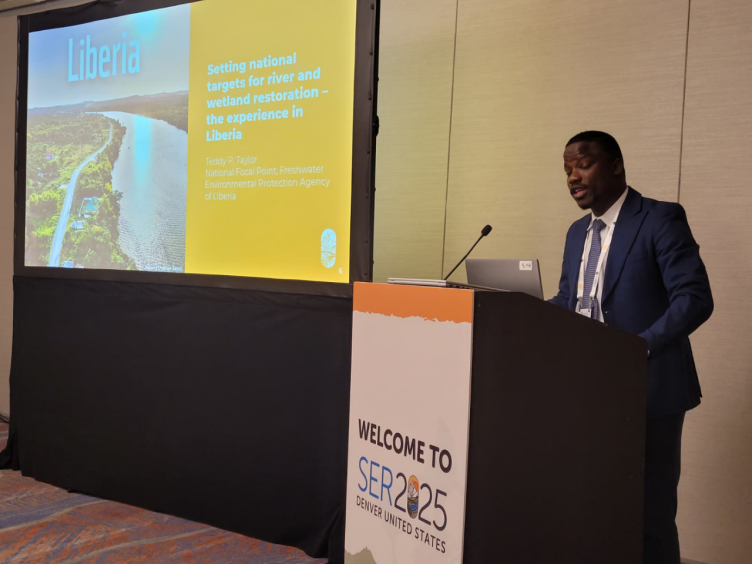
Speaking at the Society for Ecological Restoration (SER) 11th International Conference in Denver, Colorado, Teddy P. Taylor, National Focal Point for Freshwater and Action for Climate Empowerment (ACE) at the EPA, said Liberia is committed to advancing freshwater restoration as a pillar of its climate resilience strategy.
“I bring warm greetings from the Environmental Protection Agency of Liberia—and from the millions of Liberians whose daily survival depends on healthy rivers, wetlands, and forests,” Taylor said. “Liberia is often described as the ‘water tower of West Africa’. Our rivers—the Cavalla, St. Paul, St. John, and Mano—flow across borders, nourishing communities and economies in multiple countries.”
A Nation Rich in Water, but Vulnerable to Change
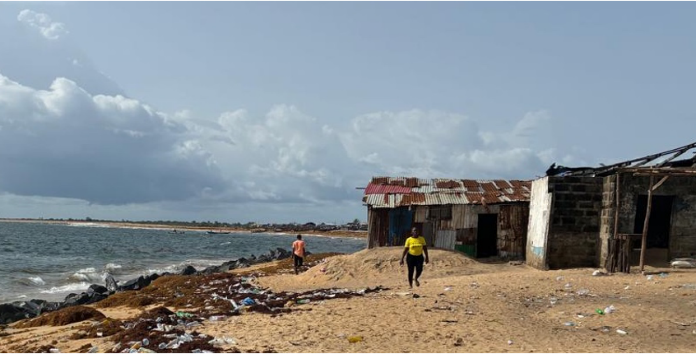
Taylor painted a vivid picture of both abundance and vulnerability: while Liberia boasts some of West Africa’s richest freshwater ecosystems, these are increasingly under threat from deforestation, pollution, urban encroachment, and climate change.
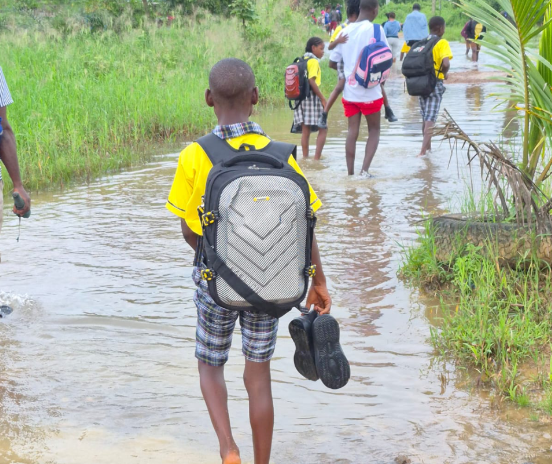
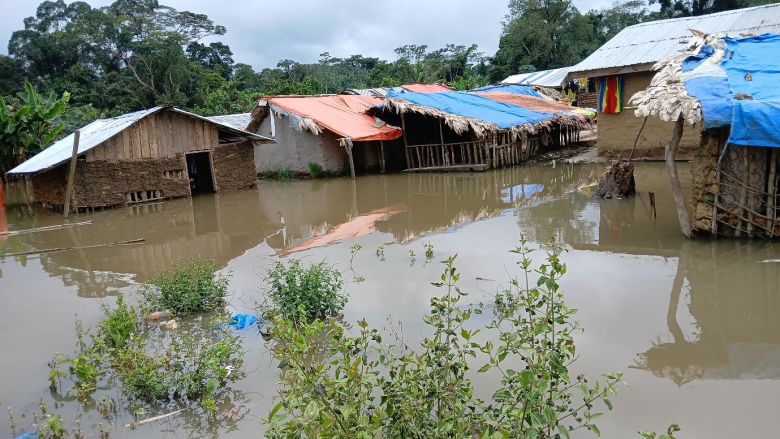
“In Monrovia, inhabitants in informal settlements see wetlands not as life-giving habitats but as dumping grounds for waste—or worse, as flood hazards during the rainy season,” he said. “Farmers in Lofa County face unpredictable rainfall, while fisherfolk along the St. Paul River report declining catches. This is the human face of freshwater degradation.”
Liberia’s New Climate Commitment
Taylor announced that for the first time, Liberia has included specific freshwater adaptation targets in its Nationally Determined Contribution (NDC 3.0) under the Paris Agreement.
The targets include restoring degraded wetlands and riparian zones, protecting watersheds for water security, embedding nature-based solutions in national adaptation planning; and engaging youth and children as frontline actors in freshwater restoration.
“This is not symbolic,” Taylor stressed. “It is an honest recognition that water security is climate security—and that safeguarding rivers and wetlands is essential for resilience, food security, and sustainable livelihoods.”
Financing: The Missing Link
While expressing optimism about progress made through community-led pilot projects such as the Mesurado Wetlands Restoration Initiative in Monrovia, Taylor warned that lack of funding remains a major barrier to scaling impact nationwide.
“Restored mangroves are buffering floods and bringing back fish,” he said. “But the project covers only a fraction of the wetland. Scaling to Lofa, Nimba, Grand Bassa, and beyond requires millions in sustained financing and technical expertise.”
He cautioned that without investment, Liberia’s NDC freshwater targets could “remain words on paper.”
Valuing Nature: Natural Capital Accounting
To address the under-valuation of freshwater ecosystems, Taylor revealed Liberia’s plan to develop a Natural Capital Accounting system—a tool that quantifies the economic value of rivers and wetlands and integrates them into national accounts.
“Currently, rivers and wetlands are not accounted for in GDP, making them invisible in national decision-making,” he noted. “With natural capital accounting, we can demonstrate the true economic value of freshwater ecosystems, build evidence for stronger budget allocation, and attract restoration investment.”
Citing a World Resources Institute (WRI) 2017 report, Taylor said that every $1 invested in wetland restoration yields up to $7 in avoided damages and ecosystem services. “Liberia wants to apply this rigor to our context—but we need technical and financial partnerships to make it happen,” he emphasized.
Five Priority Areas for Partnership
Taylor outlined five priority areas where Liberia seeks collaboration. The include scaling freshwater restoration — financing watershed and wetland rehabilitation in line with NDC 3.0., natural capital accounting and monitoring systems — to support evidence-based policy, capacity building — empowering institutions and youth for long-term sustainability, updating water-related laws and policies — to modernize governance frameworks and identification and classification of watersheds — to guide national planning and protection efforts.
A Call for Collective Action
Taylor concluded with a passionate appeal for international cooperation under the Freshwater Challenge, which aims to restore 300,000 kilometers of rivers and 350 million hectares of wetlands by 2030.
“Liberia is ready to play its part—but readiness alone is not enough. We need your partnership,” he urged. “With your support, we can transform Liberia’s freshwater ecosystems from vulnerable resources into resilient natural assets that secure livelihoods, protect biodiversity, and power climate adaptation.”
“Let us not leave freshwater behind in the climate and restoration agenda,” he added. “Instead, let us act—together, boldly, and with urgency.”
Support Independent Journalism
Your support helps FrontPage Africa continue delivering independent, credible, and impactful journalism. Every contribution strengthens our ability to investigate, inform, and hold power accountable while keeping quality journalism accessible to our readers.
Support our journalism or subscribe to receive the latest FrontPage Africa stories and updates.