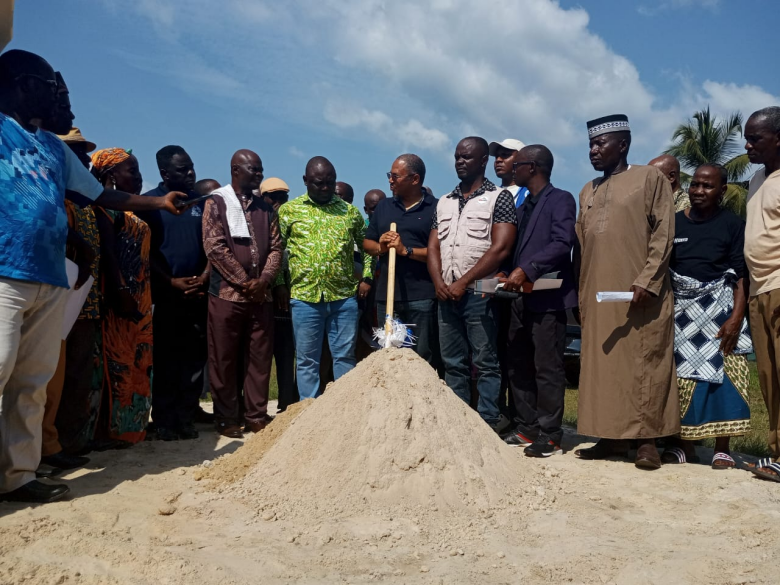
TAPPITA, Nimba County – The Liberia Water and Sewer Corporation (LWSC) has officially broken ground for a decentralized Mini Solar-Powered Water Supply System in Tappita City, Nimba County.
By Franklin Doloquee
This project, a key component of the government’s Arrest Agenda for Inclusive Development (AAID) aims to replace unreliable, unsafe water sources with a sustainable, climate-resilient solution.
A History of Need
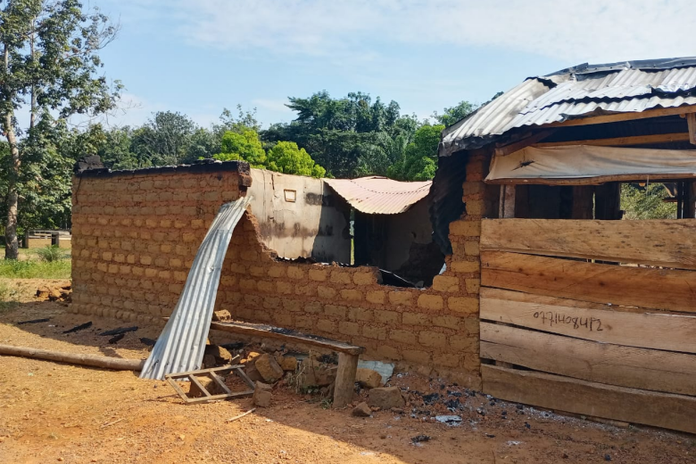
Tappita, a vital commercial hub in lower Nimba and home to the Jackson F. Doe Memorial Hospital, has struggled with water insecurity for years. The legacy of Liberia’s 14-year civil crisis left much of the region’s water infrastructure in ruins.
Consequently, residents particularly women and children have relied on open wells and creeks, leading to high rates of waterborne diseases such as diarrhea and dysentery.
Technical Innovation and Sustainability
The new project moves away from the failed, fuel-dependent systems of the past. LWSC Managing Director Mohamed Ali emphasized that previous systems often collapsed due to the high cost of generator fuel.
“This one will be a solar system,” Ali explained. “The solar energy will provide the power to pump water from the ground into elevated storage towers, eliminating the need for expensive fossil fuels.”
The project will utilize advanced geophysical surveys to identify optimal aquifer zones, ensuring a reliable yield. Each of the two initial groundwater systems will feature:
Production Boreholes: Designed for high-quality water extraction with three months project duration and is undertaking by Homeland construction and engineering services Inc.
Solar PV Pumping: A sustainable energy source to ensure 24/7 operation.
Chlorination Units: To ensure the water meets World Health Organization (WHO) safety standards.
Distribution Kiosks: Four strategically located 6-tap kiosks to serve the community.
To ensure long-term viability, the project will be managed by a community-based Water Management Committee.
A user-fee model will be implemented to fund maintenance, fostering local ownership and preventing the neglect that plagued earlier infrastructure projects.
Political Context and Community Response
The groundbreaking ceremony was marked by a notable contrast between the high-level political discourse and a subdued public turnout. While residents were observed continuing their daily routines selling in markets or attending to personal matters, the event served as a platform for local leadership to highlight development progress.
District Number Six Representative, Dorwon Twain Gleekia, praised the administration of President Joseph Boakai and Vice President Jeremiah Koung for their commitment to the district.
He highlighted several ongoing initiatives, including the Tappita Vocational Rehabilitation Training Center, improvements to the Jackson F. Doe Memorial Hospital and local road developments.
Representative Gleekia noted that while he previously facilitated visits for the former administration, the citizens of Tappita have clearly shifted their support to the current government, citing a tangible increase in development activities.
To bolster the project, Managing Director Ali announced that the LWSC has set aside US$100,000 to support the funding provided by Representative Gleekia, signaling a collaborative effort between the legislature and the executive branch to deliver essential services to the people of Tappita.