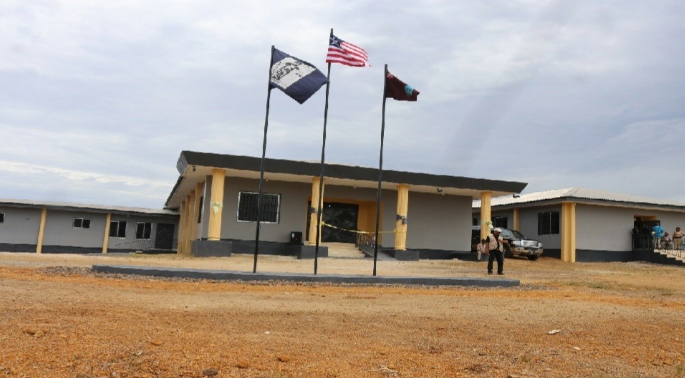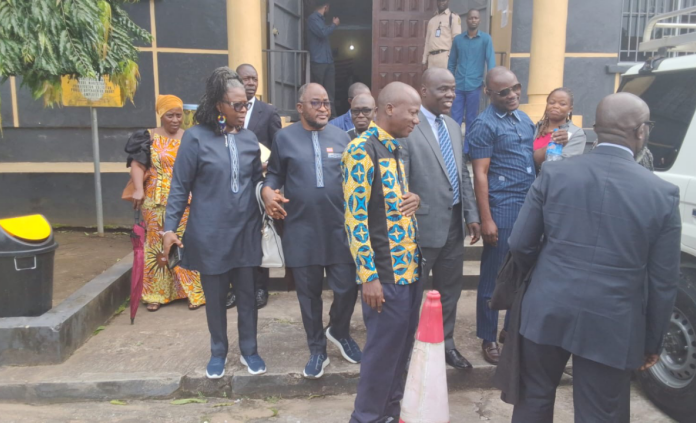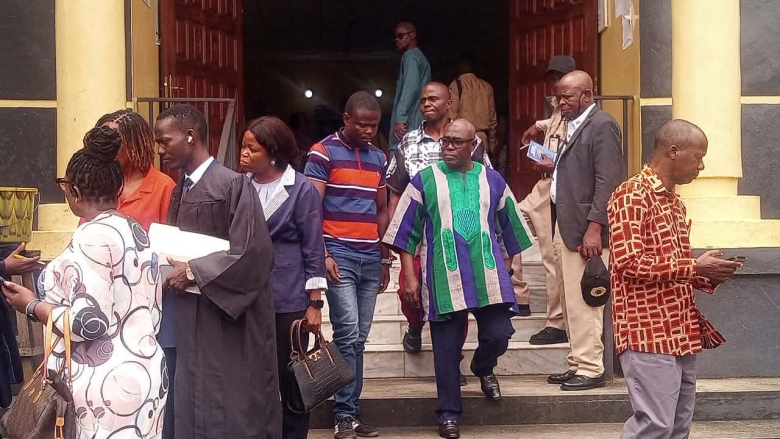
Monrovia — The prosecution has rested its case against former Foreign Affairs Minister Dee-Maxwell Saah Kemayah and his co-defendants in the Saudi rice trial after 31 days of jury sitting, with the defense expected to begin presenting its witnesses on Friday, September 18, 2026.
By Willie N. Tokpah
The transition comes after prosecution testimony focused on the movement and distribution of thousands of bags of rice donated to Liberia by Saudi Arabia, while defense questioning highlighted gaps between witnesses’ personal knowledge, documentary records and information obtained through investigations.
At the center of the case is a 2023 donation of 29,412 bags of 25-kilogram rice, valued at approximately US$500,000 and intended for disaster-affected and vulnerable communities.
According to the indictment, 11,200 bags were placed at a General Services Agency facility, while 18,212 bags were stored in two National Disaster Management Agency warehouses.
The prosecution alleges that portions of the rice were misappropriated, unlawfully distributed or otherwise improperly handled. Kemayah and the other defendants have denied the allegations and pleaded not guilty.
The 5,000-Bag Question
During Tuesday’s proceedings, an NDMA-related witness testified about his involvement in rice distribution. He personally described receiving or facilitating the distribution of 80 bags to Zota District and 200 bags in Gbarnga, accounting for 280 bags in the transactions he specifically identified.
When asked how he could say that 5,000 bags were not sent to the Gbarnga regional hub, the witness responded, “Because I was there.”
Under cross-examination and re-cross-examination, however, questions emerged about the scope of his personal knowledge and whether his presence at the facility gave him knowledge of every shipment that entered, left or moved through the wider distribution network.
The witness was unable to personally identify the source of the 5,000-bag figure. Questions concerning the documentary basis for the figure also encountered objections.
The issue places emphasis on the distinction between information based on direct observation and figures derived from records or investigations.
Community-Level Distribution
Another prosecution witness, Isaac K. Weede, chairman of the Seven Blocks of Lakpazee Community, testified about the community’s receipt of relief commodities.
Weede confirmed a statement to investigators that he had not received Saudi-donated rice and, to his knowledge, no one from the community had received it.
Defense questioning, however, examined Lakpazee’s decentralized leadership structure. Weede acknowledged that the community consists of seven blocks, each with its own leadership, and that donations could be delivered directly to a block leader before the chairman was informed.
He cited a separate donation of rice and books that was delivered to a block leader identified as Leevah, who subsequently informed him.
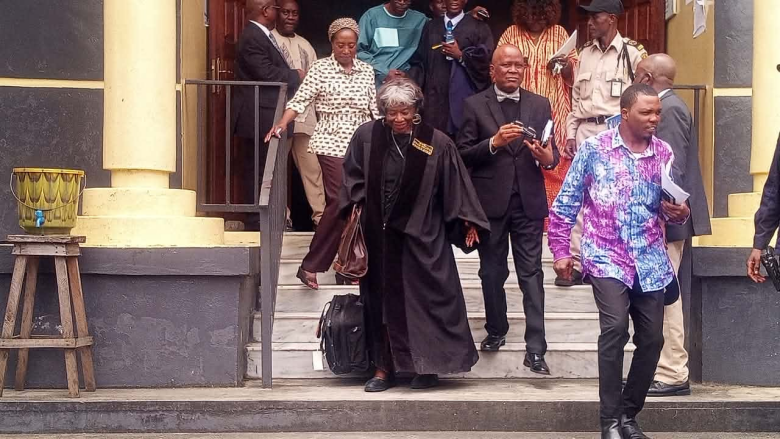
The testimony did not establish that Saudi-donated rice was delivered to Lakpazee. It did establish that commodities can enter the community through block-level leaders before reaching the central leadership.
Weede also said substantial donations would ordinarily become known to community leadership because block leaders communicate with the chairman.
Evidence Concerning Kemayah
Earlier testimony from prosecution investigator John Kumeh addressed Kemayah’s response after reports emerged that Saudi-donated rice was allegedly appearing on the Liberian market.
According to Kumeh, Kemayah halted the distribution and established an investigative committee. Kumeh also testified that the committee did not establish that the rice had actually been sold on the Liberian market.
That evidence forms part of the prosecution’s broader case concerning Kemayah’s conduct after the controversy emerged. Whether his actions amount to criminal conduct remains for the court to determine based on the evidence and applicable law.
Political-Motivation Claims
The proceedings have also generated competing claims about the prosecution.
Kemayah and his supporters have characterized the case as politically motivated, while the government has maintained that the prosecution is part of efforts to address alleged corruption and accountability concerns.
Neither characterization constitutes a judicial finding.
Defense Takes Over
With the State having completed its witness production, the defense is expected to begin presenting its case Friday.
The defense will have an opportunity to respond to the prosecution’s evidence, including the disputed 5,000-bag figure, distribution records, community-level accounts and evidence concerning each defendant’s alleged role.
The jury will ultimately have to assess the evidence concerning the quantities received and distributed, the records supporting those movements and the evidence connecting each defendant to the offenses charged.
The defendants have pleaded not guilty and remain presumed innocent unless proven guilty according to law.
Support Independent Journalism
Your support helps FrontPage Africa continue delivering independent, credible, and impactful journalism. Every contribution strengthens our ability to investigate, inform, and hold power accountable while keeping quality journalism accessible to our readers.
Support our journalism or subscribe to receive the latest FrontPage Africa stories and updates.