Forensic report also flags unidentified DNA on toilet paper found at the scene
MONROVIA – A Rwandan forensic expert testified Wednesday that DNA profiles recovered from four exhibits in the trial of former National Security Agency staffer Peter Bon Jallah match his reference sample — but cautioned that the finding cannot show when, how, or under what circumstances the DNA got there.
By Willie N. Tokpah
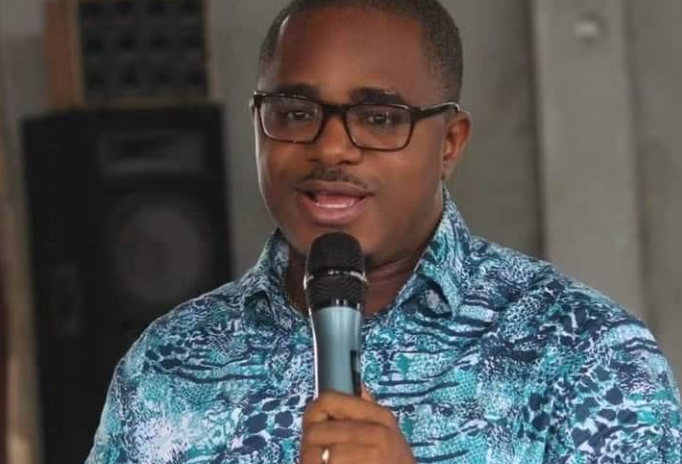
Pascal Bavugirije, Acting Division Manager of the Biology Division at Rwanda’s Forensic Institute, took the stand as the prosecution’s 12th witness in a trial involving charges of gang rape, statutory rape and kidnapping. His testimony placed an important scientific qualification on one of the State’s central pieces of evidence.
What the DNA Shows
According to a forensic report dated January 22, 2026, autosomal STR analysis produced a single male DNA profile from a white T-shirt, a black T-shirt, and shorts collected from the crime scene, as well as a boxer that police identified as belonging to the alleged victim, Hasat Antoine H.B. Amara. The Rwandan institute concluded that all four profiles matched Bon Jallah’s reference sample and that he could not be excluded as a contributor.
But a fifth item told a different story. Tissue and toilet paper collected from the scene yielded a mixed DNA profile the lab attributed to unknown persons — one that matched neither Bon Jallah nor the alleged victim. Bavugirije said that profile could still be compared against other individuals’ DNA if they were identified and samples were obtained.
A Match, Not a Narrative
Bavugirije was clear about the limits of his findings: DNA comparison cannot determine whether force was used, whether there was consent, when biological material was deposited, or the circumstances that put it on an item. The lab was also not asked to determine whether the material was semen, saliva, blood or something else.
Those limits matter because the charges require proof of specific acts and circumstances — something a genetic match alone cannot supply. When defense counsel tried to press the witness on questions of force, consent and intent, the prosecution objected. Judge Wesseh Alphonsus Wesseh, Sr. sustained the objection, noting that the forensic witness was not the investigator responsible for establishing probable cause.
Chain of Custody in Question
Bavugirije’s laboratory received the exhibits from the Liberia National Police along with the investigators’ own account of where each item came from. The Rwandan team did not collect the clothing itself, nor did it independently verify who owned or wore any of it before submission — a gap defense counsel seized on, particularly around the boxer identified as the alleged victim’s.
The forensic exchange also produced an unusual courtroom moment: after the boxer was entered into evidence, defense counsel asked that Bon Jallah be allowed to stand in the dock for a clothing demonstration. The prosecution objected, arguing the defense would get its chance to challenge the evidence during its own case. Judge Wesseh denied the request, over defense objection, saying the demonstration could wait.
Background
Bon Jallah was arrested in January 2026 after a complaint involving a 16-year-old alleged victim, and has pleaded not guilty to gang rape, statutory rape and kidnapping. The January 22 report was signed by NZARAMBA Gilbert, Acting DNA Specialist; NYIRAMUGISHA Thamar, Acting Director of the DNA Unit; and Bavugirije Pascal.
What’s Next
The forensic testimony leaves the court with two distinct threads to weigh: a documented biological link between Bon Jallah and four exhibits, and an unresolved, unidentified DNA profile from the scene. Neither settles what the DNA presence proves — or doesn’t — about the alleged conduct. That question will now turn on the testimony of the alleged victim and other witnesses, the handling and chain of custody of the exhibits, and how the pieces fit together as the trial continues.
Support Independent Journalism
Your support helps FrontPage Africa continue delivering independent, credible, and impactful journalism. Every contribution strengthens our ability to investigate, inform, and hold power accountable while keeping quality journalism accessible to our readers.
Support our journalism or subscribe to receive the latest FrontPage Africa stories and updates.