PAYNESVILLE — President Joseph Nyuma Boakai has reaffirmed his administration’s commitment to strengthening rural women’s leadership and economic independence, pledging increased support for grassroots women as key partners in Liberia’s national development.
By Patience M. Jones
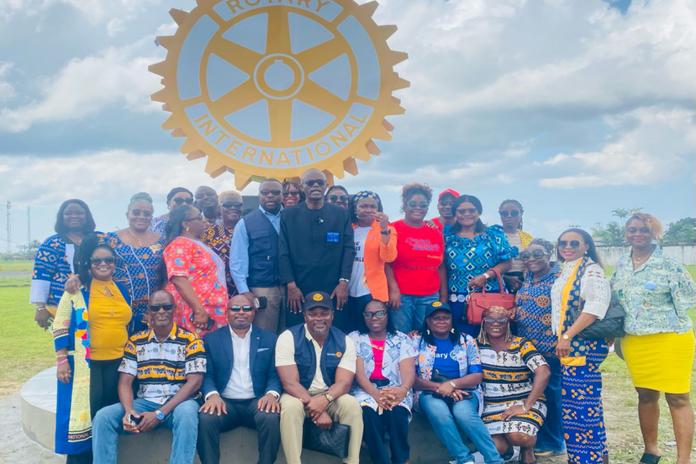
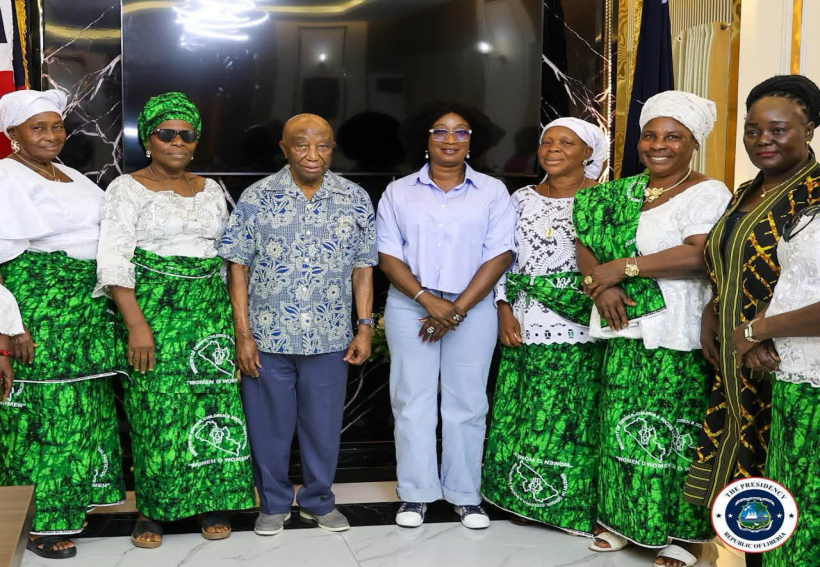
The President made the commitment on Saturday, November 14 when he received a delegation of rural women leaders representing all 15 counties at the Rehab Community in Paynesville. He emphasized that empowering rural women through leadership development, skills training, and economic opportunities remains essential to building stronger families and resilient communities.
President Boakai described rural women as critical pillars of Liberia’s development, recognizing their contributions to agriculture, family welfare, community development, and the country’s broader economic growth.
He noted that women carry significant responsibilities, including raising children, supporting extended families, and sustaining their communities, stressing that providing them with the necessary skills, resources and opportunities would strengthen their ability to contribute meaningfully to national development.
The Liberian leader also called for greater unity and collective action among women, emphasizing that organized efforts and shared objectives can produce meaningful results at both community and national levels.
996 Women Targeted for Leadership Training
As part of efforts to translate the President’s commitment into practical action, Gender, Children and Social Protection Minister Gbeme Horace-Kollie disclosed plans for a nationwide leadership training program targeting approximately 996 women across Liberia.
According to Minister Horace-Kollie, implementation of the initiative is expected to begin in January 2027, providing rural women with opportunities to strengthen their leadership skills and improve their participation in decision-making processes.
She also informed President Boakai of ongoing discussions with the Indian Ambassador concerning opportunities for selected rural women leaders to receive specialized training in India.
The proposed initiative is expected to expose participating women to additional leadership experiences, broaden their knowledge, and strengthen their capacity to serve their respective communities.
Rural Women Demand Agricultural Support
Meanwhile, the National Rural Women Leadership structure, comprising representatives from Liberia’s 15 political subdivisions, used the engagement to call for increased government investment in agricultural empowerment.
The women appealed to President Boakai to prioritize access to improved seeds, farming tools and other essential agricultural resources to strengthen their productivity, improve livelihoods and promote economic independence.
They emphasized that agriculture remains a major source of livelihood for rural women and that providing the necessary resources would enable them to expand food production, support their families, and contribute more substantially to the national economy.
Speaking on behalf of the delegation, the newly appointed Acting National President of the National Rural Women Leadership, Annie W. Kruah of Nimba County, expressed appreciation to President Boakai for his administration’s development initiatives.
Madam Kruah reaffirmed the group’s commitment to working with rural women across towns and villages, stressing the importance of collective leadership and agricultural development in advancing women’s empowerment.
The engagement highlights the growing call for greater recognition of rural women’s contributions to Liberia’s development, particularly their role in agriculture and community-based economic activities.
However, the proposed nationwide leadership training and the women’s appeal for agricultural resources present an opportunity for the government to translate its commitment to rural women’s empowerment into tangible support that reaches women at the grassroots level.
Support Independent Journalism
Your support helps FrontPage Africa continue delivering independent, credible, and impactful journalism. Every contribution strengthens our ability to investigate, inform, and hold power accountable while keeping quality journalism accessible to our readers.
Support our journalism or subscribe to receive the latest FrontPage Africa stories and updates.