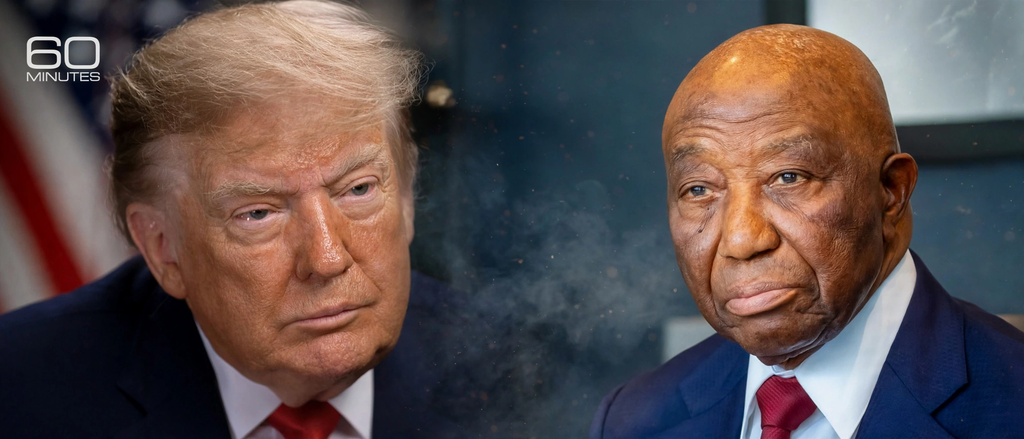
THE BOAKAI ADMINISTRATION has spent much of the past two years enjoying something rare for a small West African state: an easy relationship with the most transactional White House in recent memory. Monrovia has said yes when Washington asked. It offered to take Kilmar Abrego Garcia when U.S. courts blocked his return to El Salvador. It agreed to accept up to 1,200 deportees who are not Liberian. It has been quick with warm words. In return, it has received goodwill, access, and millions of dollars in “migration management” support.
A Liberian government is right to want that kind of goodwill. Building a foreign policy on it alone is a mistake, and the events of the past few weeks show why.
FIRST CAME THE MIRROR. The U.S. State Department’s 2026 Investment Climate Statement on Liberia is among the bluntest assessments Washington has published about this country in years. It calls corruption the primary brake on Liberia’s democratic consolidation and economic growth. It reports that multinational firms are routinely charged fees that appear nowhere in their contracts, that accounts of extortion at several levels of government are common, and that political cronyism shapes decisions that should be made on merit. The report gives the government some credit for asset declarations, contract probes and the push for a specialized corruption court. But the overall verdict is clear. The same Washington that applauds Monrovia’s cooperation on deportations does not trust Monrovia with its investors’ money.
THEN CAME THE MICROSCOPE. On September 23, Senator Tim Kaine of Virginia filed Senate Resolution 886. It would require the Secretary of State to report to Congress within 30 days on Liberia’s human rights record, including how deportees sent here are treated. It also asks for every agreement, every financial transaction, and every assurance exchanged between the two governments on removals, and a summary of meetings between Liberian officials and their U.S. counterparts. If the report is not delivered on time, U.S. security assistance to Liberia is frozen by law.
Resolutions like this have so far died on party-line votes in a Republican-led Senate. That was the arithmetic of the old Congress.
NOW COMES THE BALLOT BOX. The November 3 U.S. midterm elections have reshaped Capitol Hill, and Democrats made major gains in both chambers. A new Congress is sworn in in January. The senators who have spent two years asking unanswered questions about third-country deportation deals, about secret payments, and about governments that take Washington’s money without telling their own people will return with a far stronger hand.
It would be dangerous for anyone at the Executive Mansion to assume that a good relationship with one American president means a good relationship with the United States. Congress controls the budget. Congress confirms ambassadors, writes conditions into foreign aid, holds hearings and issues subpoenas. A relationship built on personal rapport with one administration can unravel fast once the questions start arriving from the other end of Pennsylvania Avenue.
LIBERIA HAS BEEN HERE BEFORE. Governments in this country have often mistaken the favour of whoever sits in the White House for the friendship of the American people. The relationship that survived wars, coups and Ebola did so because it rested on wider foundations: Congress, the diaspora, American churches, universities and civil society. Members of both parties have for decades kept Liberia on Washington’s agenda, from aid packages after the war to pressure for a war crimes court. Neglecting those foundations to please one administration would be a costly mistake.
WE THEREFORE URGE the Boakai administration to act before the new Congress is seated, not after:
• Bring the deportation agreement before the Legislature. Article 34(f) of the Constitution requires it. A deal Liberians’ own representatives have never seen will look worse when U.S. senators read it out in a hearing.
• Publish the numbers. How many people have arrived, from where, where they are held, what Liberia has received, and on what terms. The government says it took no compensation, yet U.S. records show millions in support. Explain the difference now, in Monrovia.
• Treat the Investment Climate Statement as an agenda for reform. Every unofficial fee and every captured state enterprise named in that report gives a sceptical Congress grounds to put conditions on aid.
• Engage both parties. Liberia’s ambassador and its lobbying in Washington should spend as much time in Democratic offices on Capitol Hill as they do at the White House.
No one is asking President Boakai to pick a fight with the Trump administration. Liberia cannot afford one and does not need one. But careful diplomacy means planning for the Washington that comes next, not just the one in power today. Some of the senators who will have more power from January are already asking hard questions about Liberia, and Monrovia should prepare its answers before the hearings begin.
Support Independent Journalism
Your support helps FrontPage Africa continue delivering independent, credible, and impactful journalism. Every contribution strengthens our ability to investigate, inform, and hold power accountable while keeping quality journalism accessible to our readers.
Support our journalism or subscribe to receive the latest FrontPage Africa stories and updates.