Monrovia – Ahead to the 2029 general elections, the National Elections Commission (NEC) has taken significant steps to strengthen its institutional capacity, underscoring that credible elections are built long before voters cast their ballots.
On March 2, the Commission, with support from the United Nations Development Programme through the Liberia Electoral Support Project and funding from the European Union, Sweden, and Ireland, convened a high level internal workshop in Monrovia aimed at reviewing institutional performance and strengthening preparations for the next electoral cycle.
Unlike traditional gatherings organized to launch initiatives or announce policy shifts, the meeting focused on internal reflection, assessing lessons learned from previous elections and identifying reforms necessary to deliver more credible, inclusive, and cost effective polls in 2029.
The workshop brought together commissioners, senior management, and technical staff to evaluate recommendations from the 2022 Organizational and Capacity Needs Assessment, as well as findings from 2023 observer reports and post election lessons learned reviews.
Discussions centered on assessing institutional strengths, identifying operational gaps, and outlining concrete steps to ensure full readiness well ahead of the next general elections.
Participants engaged in candid exchanges on what the Commission has done well, where it has fallen short, and how it can translate recommendations into measurable improvements. The atmosphere reflected a shared resolve to move beyond documentation and ensure that reform efforts produce tangible results.
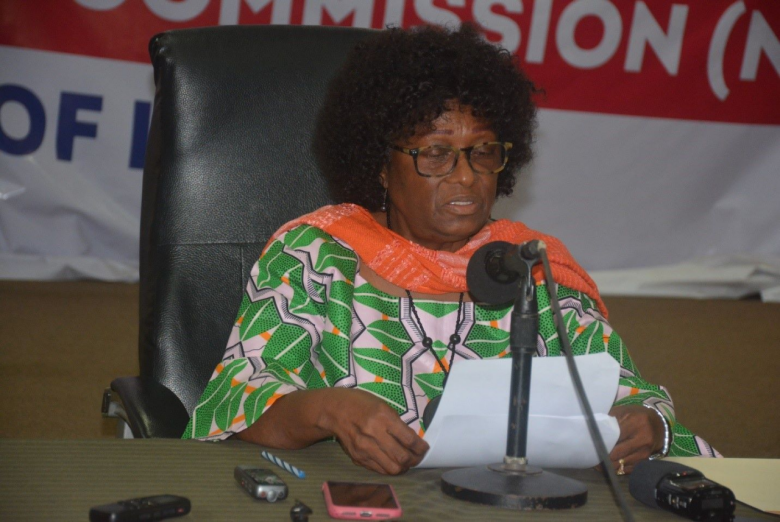
Opening the session, NEC Co Chairperson Cllr. Teplah Reeves described the gathering as more than a routine review. She characterized it as a strategic moment for institutional ownership, urging members of the Commission to take charge of the reform agenda and reinforce internal accountability mechanisms.
Reeves emphasized the importance of honest dialogue, collective responsibility, and organizational discipline as essential pillars in building public confidence in the electoral process. She noted that strengthening systems during the inter election period is critical to sustaining democratic gains and preventing future shortcomings.
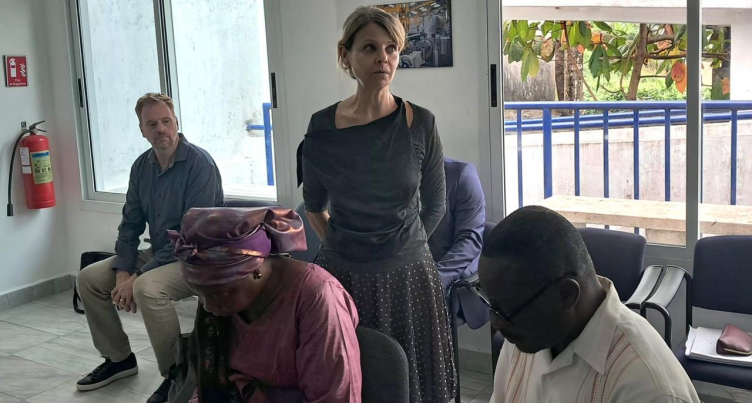
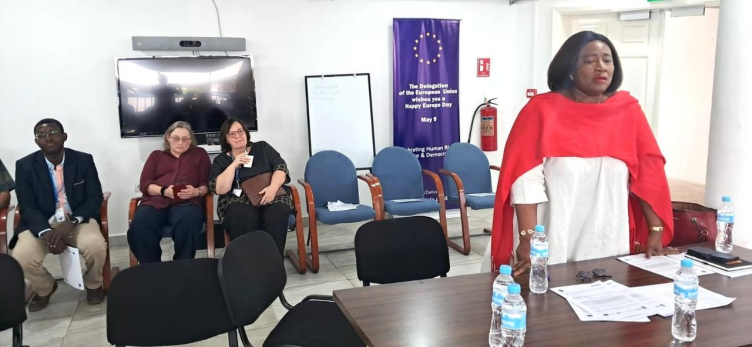
Representing the European Union, Dr. Anna Brzozowska highlighted the broader democratic significance of elections, describing them as instruments that bring diverse voices together into a shared national narrative. She praised the NEC for its performance in previous elections and reaffirmed the EU’s continued support, including plans for a follow up mission to build on prior election observation efforts.
Speaking on behalf of UNDP and the Liberia Electoral Support Project, Ms. Katherine Green underscored the importance of maximizing the years between elections. She stated that election management bodies must use the inter election period wisely because that is when institutional resilience is built. While 2029 may appear distant, she stressed that preparation must begin immediately to avoid last minute challenges.
The workshop adopted a practical and solution oriented approach. Participants worked in groups to revisit each recommendation from prior assessments, evaluate progress made, identify implementation challenges, and outline next steps. The objective was to ensure that insights generated from past elections are translated into concrete institutional reforms.
The discussions form part of a broader and ongoing comprehensive capacity assessment of the NEC. The review includes document analysis, consultations with Commission leadership, field visits to magistrate offices across the country, and engagement with political parties, civil society organizations, and development partners. The final outcome is expected to produce strategic, policy, and technical recommendations aimed at improving efficiency, sustainability, and cost effectiveness in future electoral processes.
The Liberia Electoral Support Project, implemented by UNDP in partnership with UN Women and Netherlands Institute for Multiparty Democracy, continues to play a key role in enhancing governance and accountability within Liberia’s electoral framework.
However, officials emphasized that the most critical transformation must occur within the NEC itself through deliberate planning, disciplined implementation, and sustained institutional reform.
By prioritizing reflection, strategic planning, and collaboration, the National Elections Commission is positioning itself to meet the demands of the 2029 general elections with greater clarity and determination. The road to 2029 has begun, and electoral authorities say the work to safeguard Liberia’s democratic future is already well underway.
Support Independent Journalism
Your support helps FrontPage Africa continue delivering independent, credible, and impactful journalism. Every contribution strengthens our ability to investigate, inform, and hold power accountable while keeping quality journalism accessible to our readers.
Support our journalism or subscribe to receive the latest FrontPage Africa stories and updates.