MONROVIA – The Ministry of Health has announced plans to begin the second phase of distributing thousands of reading glasses to five southeastern counties, as part of a nationwide effort to expand access to basic vision care services.
The rollout, led by the National Eye Health Program, will target Grand Gedeh, Sinoe, Grand Kru, River Gee and Maryland Counties in the coming weeks.
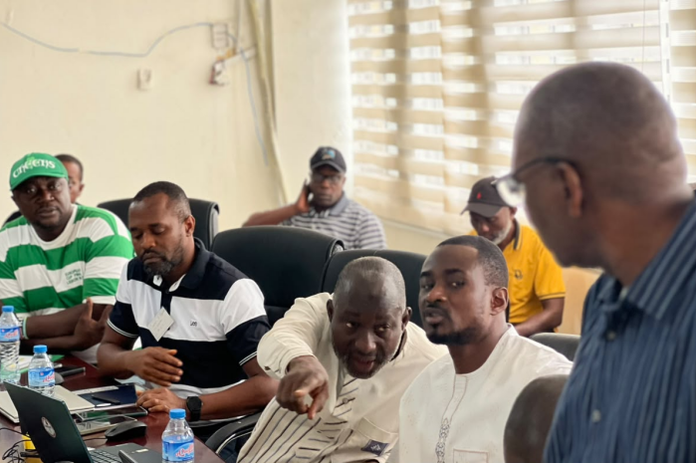
Dr. Molley R. Goe, Director of the National Eye Health Program, made the disclosure recently at the Ministry’s Headquarters in Congo Town, outside Monrovia.
He said the initiative is part of a coordinated strategy to reach underserved regions where access to eye care remains limited.
“Plans are underway to begin another distribution of glasses to the southeastern region,” Dr. Goe said.
“This is a phased national rollout designed to reach counties where access to eye care remains limited.”
The first phase of distribution began in October 2025 in observance of World Sight Day, with a focus on addressing uncorrected vision problems among schoolchildren — a major barrier to learning in many parts of Liberia.
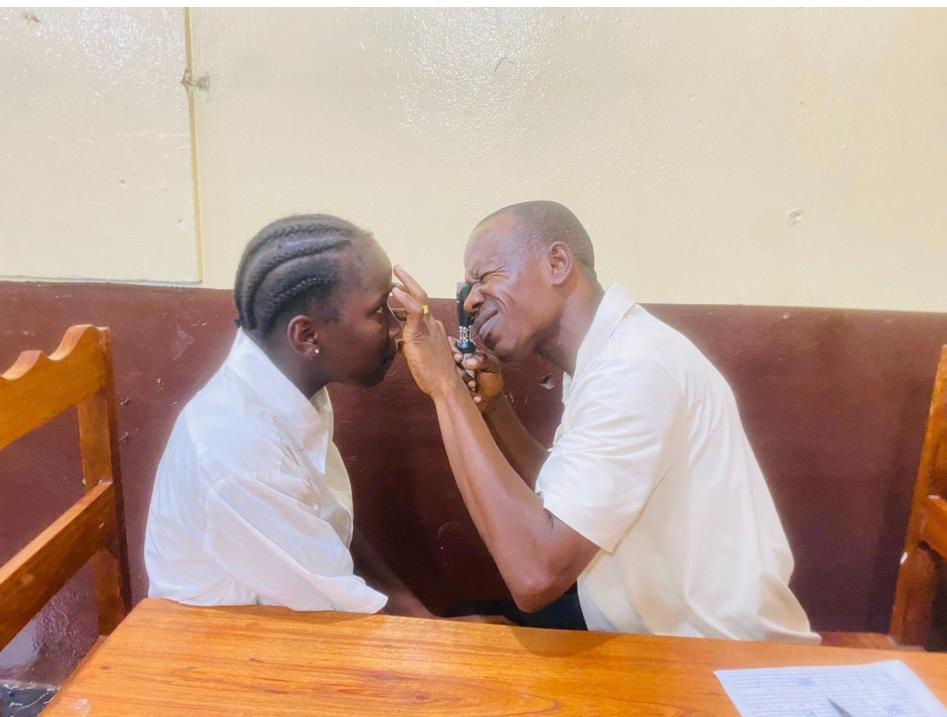
Screening exercises were conducted at selected schools in Montserrado County, reaching approximately 1,000 students.
According to Dr. Goe, the campaign was designed to improve educational outcomes by identifying children with vision challenges and providing corrective lenses where needed.
“To date, 3,108 reading glasses have been distributed directly by the Ministry through outreach activities,” he said.
In November 2025, an additional 870 pairs of glasses were delivered to the Lofa County Health Team to support community-based outreach in that county.
Dr. Goe disclosed that 8,022 pairs of reading glasses remain securely stored at the Ministry’s central warehouse in Monrovia and have been earmarked specifically for the five southeastern counties.
“These glasses are securely in stock and earmarked specifically for the five southeastern counties,” he said. “Distribution is expected to commence shortly.”
He emphasized that every pair of glasses has been documented within established inventory systems to ensure transparency and accountability.
The glasses were donated by international partners, including One Sight and the Interdenominational Christian Mission, organizations that support vision care programs in low-income countries.
“We are ensuring that distribution is done systematically and transparently,” Dr. Goe said. “Each county health team will receive supplies based on assessed needs.”
Recent reports from the World Health Organization indicate that uncorrected vision impairment remains a largely overlooked health issue in Liberia, particularly in rural counties where specialist services are scarce.
Poor eyesight among children can significantly affect reading ability, classroom participation, and long-term academic performance.
Dr. Goe stressed that transparency is central to maintaining public trust in donor-supported programs and reaffirmed the Ministry’s broader commitment to improving eye health services nationwide.
“Our objective is to improve access to quality eye care services for all Liberians,” he said. “This second phase of distribution brings us closer to that goal.”
The Ministry of Health reiterated its commitment to strengthening primary eye care services across the country, particularly in underserved and rural communities.
Support Independent Journalism
Your support helps FrontPage Africa continue delivering independent, credible, and impactful journalism. Every contribution strengthens our ability to investigate, inform, and hold power accountable while keeping quality journalism accessible to our readers.
Support our journalism or subscribe to receive the latest FrontPage Africa stories and updates.