MONROVIA – November 10, 2026: Medica-Liberia has officially launched a five-year International Stress- and Trauma-Sensitive Healthcare Program (ISTHP), aimed at strengthening trauma-sensitive healthcare delivery and improving survivor-centered services across Liberia.
The program, which will run from 2026 to 2030, seeks to strengthen the capacity of healthcare professionals and relevant institutions to provide services that recognize the experiences of survivors, uphold their dignity, and prioritize their safety and well-being.
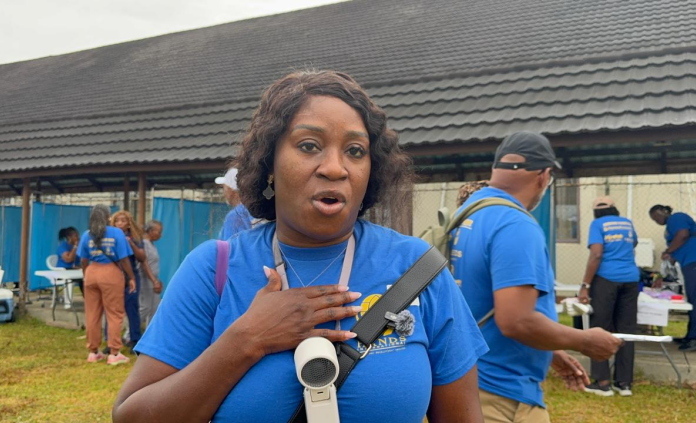
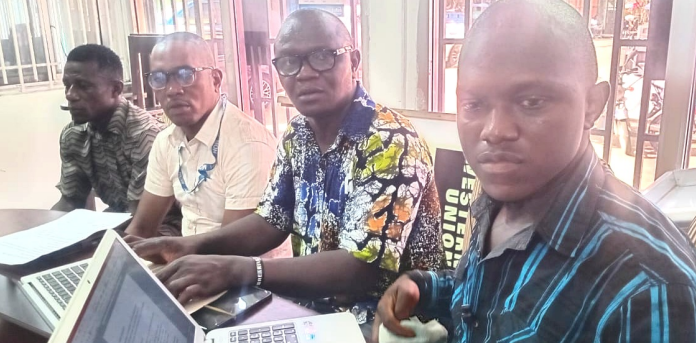
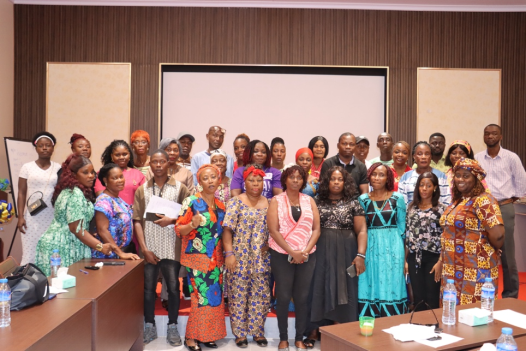
The launch ceremony, held Tuesday at a local hotel in Congo Town, brought together representatives of partner organizations, healthcare professionals, civil society organizations, project stakeholders, and other key actors committed to improving support systems for individuals affected by trauma.
The initiative is being implemented in collaboration with international partners, including Medica Zenica, Medica Gjakova, and The Lotus Flower, building on experiences and lessons from different contexts to advance the application of Stress- and Trauma-Sensitive Approaches (STA) in Liberia.
During the program overview, the ISTHP project team presented the initiative’s objectives, implementation framework, and expected outcomes, highlighting the importance of strengthening institutional capacity, improving service delivery, and fostering collaboration among key stakeholders.
The project will primarily focus on strengthening survivor-centered healthcare services in Montserrado and Margibi Counties, while promoting stronger coordination among healthcare providers, justice institutions, civil society organizations, and other relevant actors.
Speaking during the ceremony, project representatives emphasized that trauma-sensitive healthcare extends beyond medical treatment. They noted that effective support must also take into account the emotional, psychological, and social experiences of survivors, ensuring that individuals seeking assistance are treated with compassion, respect, and dignity.
A major highlight of the launch was a panel discussion held under the theme, “Strengthening Survivor-Centered Healthcare in Post-Conflict Contexts.”
The discussion brought together perspectives and experiences from Bosnia and Herzegovina, Kosovo, and the Kurdistan Region of Iraq, providing participants with an opportunity to examine lessons from different post-conflict settings and explore practical approaches that could inform the implementation of trauma-sensitive healthcare services in Liberia.
Panelists underscored the critical roles of healthcare professionals, civil society organizations, and public institutions in establishing responsive support systems for survivors. They also stressed the need for sustained institutional collaboration, professional training, and survivor-focused policies to ensure that individuals seeking care are not exposed to further trauma in the process.
An interactive question-and-answer session followed, allowing participants to share experiences, raise concerns, exchange ideas, and identify practical approaches to strengthening the delivery of survivor-centered services.
The official launch of the five-year initiative was performed by a representative of St. Benedict Menni, formally marking the commencement of the program.
The closing session featured remarks from representatives of St. Benedict Menni, community representatives, participants, and other stakeholders, who reaffirmed the importance of collective action and sustained commitment to achieving the program’s objectives.
Participants welcomed the initiative, commending Medica-Liberia and its international partners for advancing an approach they described as essential to improving healthcare responses for survivors. They also expressed their willingness to work alongside the project team and other stakeholders to support its effective implementation.
The ceremony concluded with a networking lunch, providing participants and partner organizations an opportunity to strengthen existing relationships, establish new connections, and explore further areas of collaboration.
The launch of the International Stress- and Trauma-Sensitive Healthcare Program represents an important step toward improving how healthcare and related institutions respond to individuals affected by trauma in Liberia. By promoting approaches that prioritize safety, dignity, rights, and well-being, the initiative seeks to contribute to a healthcare system in which survivors can access the support they need without fear of stigma, discrimination, or further harm.
As implementation gets underway, sustained collaboration among healthcare professionals, government institutions, civil society organizations, international partners, and local communities will be critical to translating the program’s objectives into meaningful and lasting improvements in the lives of survivors.
Support Independent Journalism
Your support helps FrontPage Africa continue delivering independent, credible, and impactful journalism. Every contribution strengthens our ability to investigate, inform, and hold power accountable while keeping quality journalism accessible to our readers.
Support our journalism or subscribe to receive the latest FrontPage Africa stories and updates.