MONROVIA, Liberia — Liberia’s Ministry of Gender, Children and Social Protection has launched a five-year strategic plan aimed at strengthening gender equality, child protection, and social protection services, with Minister Gbeme Horace-Kollie warning that inadequate resources, weak coordination, and limited institutional capacity could undermine its implementation.
By Patience M. Jones,[email protected]
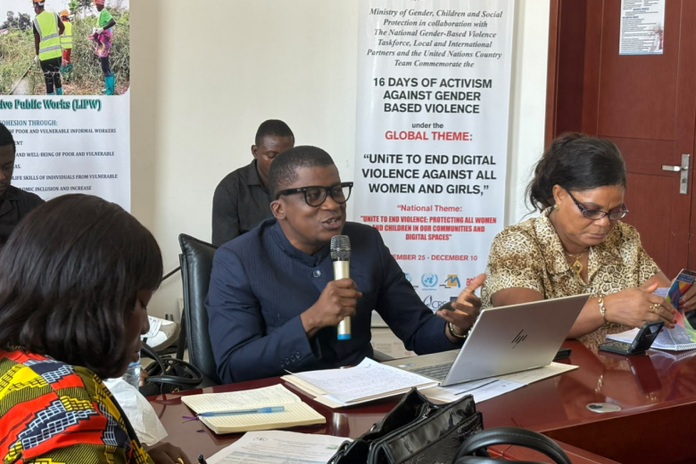
The Strategic Plan 2026–2030 was officially launched Wednesday at the Ballroom of the EJS Ministerial Complex in Congo Town, bringing together government officials, development partners, United Nations agencies, civil society organizations, women’s groups, and other stakeholders.
The plan establishes a framework for strengthening the Ministry’s institutional capacity, improving service delivery, promoting social inclusion, and expanding sustainable livelihood opportunities for vulnerable populations.
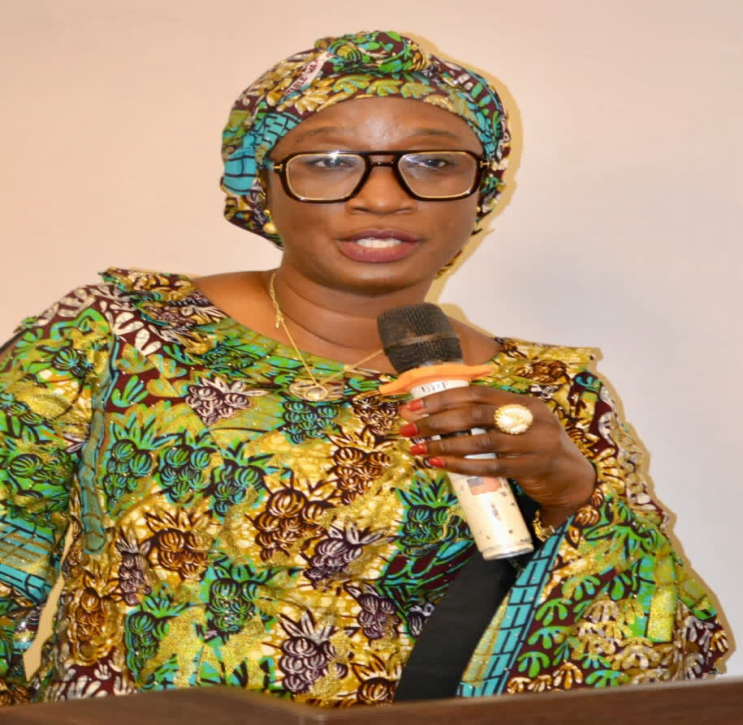
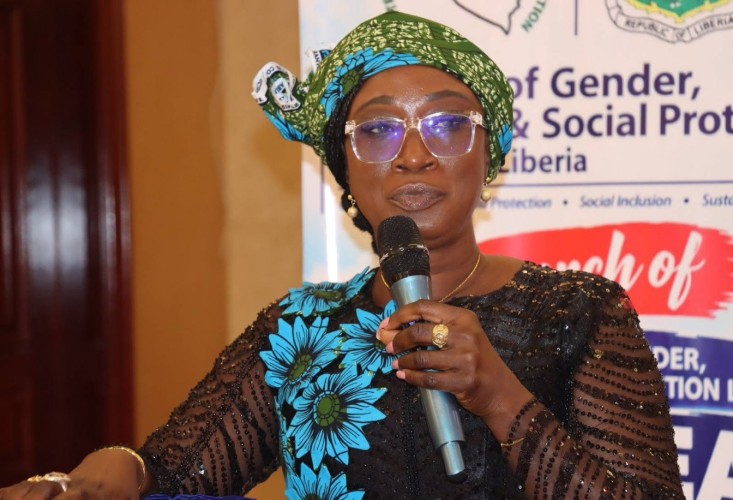
Delivering special remarks at the launch, Horace-Kollie emphasized that the plan’s success would depend not on its stated ambitions alone, but on the government’s ability to mobilize resources, coordinate institutions, and translate policy priorities into measurable outcomes.
She cautioned that even a comprehensive strategic plan could fail without adequate financing, sustained political commitment, effective partnerships, and the institutional capacity necessary to implement its objectives.
“No strategic plan, regardless of how comprehensive or ambitious, can succeed without adequate resources, effective coordination, sustained political commitment, and the institutional capacity required to translate priorities into tangible results,” the Minister emphasized.
MINISTRY SEEKS SHIFT FROM FRAGMENTED INTERVENTIONS
Horace-Kollie said the new framework is intended to move the Ministry beyond fragmented interventions toward a coordinated, integrated, and results-driven approach that aligns national priorities, institutional responsibilities, available resources, and measurable performance outcomes.
The plan prioritizes women and girls, children, persons with disabilities, older persons, and vulnerable households, with a focus on strengthening protection systems, expanding social inclusion, and improving access to essential social protection services.
According to the Minister, the framework will also guide policy implementation, deepen collaboration among government institutions and development partners, and reinforce accountability across the Ministry’s areas of responsibility.
She stressed that implementation must be supported by strategic investment and collective action from government institutions, development partners, civil society organizations, and other relevant stakeholders.
“Implementation requires more than goodwill; it demands strategic investment, strong partnerships, and the collective determination to turn our priorities into practical outcomes,” Horace-Kollie said.
The Minister maintained that the plan’s ultimate value would be determined by its impact on the lives of the people it is intended to serve.
She said women must experience greater protection and economic opportunities, children must benefit from stronger safeguarding systems, survivors must gain improved access to timely and dignified services, and vulnerable individuals and families must receive more responsive social protection.
“This is the promise of our Strategic Plan, and it is the standard against which its success must ultimately be measured,” she stated.
CIVIL SERVICE AGENCY PLEDGES SUPPORT
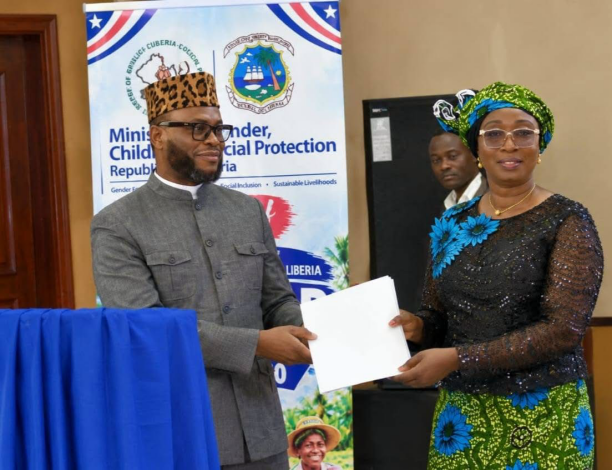
For his part, Dr. Josiah F. Joekai Jr., Director General of the Civil Service Agency (CSA) and chief launcher of the strategic plan, commended the Ministry for reaching what he described as an important milestone in strengthening institutional effectiveness and advancing its national mandate.
Joekai reaffirmed the CSA’s commitment to working with the Ministry to prioritize staff welfare, strengthen institutional capacity, and support the implementation of the plan’s objectives.
He emphasized the importance of investing in the public servants responsible for delivering government services, noting that a motivated, adequately supported, and capable workforce is essential to effective institutional performance.
The CSA’s pledge comes as the Ministry seeks to strengthen its internal systems and improve its ability to deliver services to vulnerable populations throughout Liberia.
GOVERNMENT, DEVELOPMENT PARTNERS URGED TO BACK IMPLEMENTATION
Horace-Kollie expressed gratitude to President Joseph Nyuma Boakai for the confidence placed in the Ministry and for his administration’s commitment to mobilizing resources in support of national development priorities.
She also acknowledged the Ministry of Finance and Development Planning for its role in resource mobilization and fiscal coordination, emphasizing that financial support would be essential to translating the plan’s priorities into practical results.
The Minister further recognized development partners and other stakeholders for their technical assistance, collaboration, and investments in strengthening the Ministry’s institutional capacity.
The launch was attended by representatives of civil society organizations, local and international development partners, the United Nations system, and government ministries and agencies, including their Gender and Social Inclusion Coordinators.
Their participation reflects the importance of coordinated partnerships in advancing the plan’s objectives.
IMPLEMENTATION WILL DETERMINE THE PLAN’S LEGACY
The Ministry has reaffirmed its commitment to implementing the Strategic Plan 2026–2030, with priorities including stronger institutional performance, improved service delivery, gender equality, child protection, and expanded social protection for vulnerable and marginalized populations.
However, the plan’s effectiveness will ultimately depend on whether its commitments are matched by adequate budgetary allocations, clear implementation responsibilities, measurable targets, and sustained monitoring of results.
For women and girls facing violence and discrimination, children requiring protection, survivors seeking support, and vulnerable households struggling to access essential services, the central question is whether the new framework will produce tangible improvements in their daily lives.
As the Ministry begins the five-year implementation period, the challenge will be to ensure that its strategic commitments translate into accessible services, stronger protection mechanisms, and greater accountability to the Liberian people.
Support Independent Journalism
Your support helps FrontPage Africa continue delivering independent, credible, and impactful journalism. Every contribution strengthens our ability to investigate, inform, and hold power accountable while keeping quality journalism accessible to our readers.
Support our journalism or subscribe to receive the latest FrontPage Africa stories and updates.