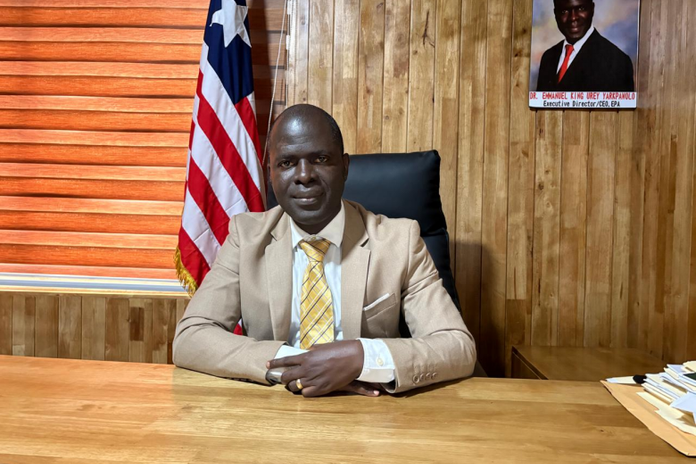
They are coming again, and again to ‘hurt your heads with plenty empty mouth-chor-chor’ with nothing to show from the last time they were here: Open Your Eyes ‘Ko-Lo-Ko-Lo, and Your Ears ‘Wide Like Elegant’ oooooooh.
By: Austin S Fallah, [email protected], contributing writer
Authentic leadership means taking ownership, not shifting blame,” by John C. Maxwell.
Accountable leaders create accountable teams.” – Pat Summitt.
You can not escape the responsibility of tomorrow by evading it today.” – Abraham Lincoln.
The most powerful leadership tool you have is your own personal example.” – General George S. Patton.
“As a leader, it’s a major responsibility on your shoulders to practice the behavior you want others to follow.” – Anonymous
“Everyone makes mistakes, but only a person with integrity owns up to them.” – Anonymous
In the wake of decades of civil imbroglio, a semblance of democracy, and widespread corruption, the people of Liberia find themselves at a critical juncture.
With many Liberians now residing in the diaspora, a growing chorus has emerged calling for a clear distinction from those leaders who have contributed negatively to the nation’s struggles.
It is essential for both Liberians abroad and those at home to critically evaluate the leadership figures they support and the implications of such support on the future of Liberia.
Politicians with tainted records and questionable integrity must be held accountable, and a resounding message must be sent that the time for empty promises and hollow rhetoric is over.
This adda explores the moral imperative for Liberians to reject corrupt leaders, advocates for a political environment conducive to progress, and emphasizes the need for a collective effort to empower young people and ensure a brighter future for Liberia.
The Legacy of Corruption and Human Rights Abuses:
Corruption has long been a weapon used against the people of Liberia, robbing them of opportunities and plunging them into enduring poverty.
A troubling cycle perpetuated by leaders with vested interests has created an unconducive environment that stifles progress and empowers human rights abuses.
The history of Liberia is marred by leaders who have exploited their positions, leading to the suffering of countless citizens.
In the face of this legacy, it becomes all the more imperative for both Liberians in the diaspora and those back home to scrutinize whom they support and why.
Human rights abuses have been rampant in Liberia, often perpetuated by some of those in positions of power.
A significant aspect of this ongoing tragedy is the reality that many Liberians continue to live in fear and poverty.
As such, the responsibility of addressing these violations does not solely fall on those in power but also on the civil society and diaspora Liberians who lend their support and resources to these individuals.
Supporting corrupt politicians undermines any legitimate effort to promote human rights and progress within the nation.
The Responsibility of Liberians in the Diaspora:
Liberians living in the diaspora hold a unique position, as they possess the ability to influence both local and international perceptions of Liberia.
Whether through direct investment, community organization, or advocacy, members of the Liberian diaspora can serve as powerful agents of change.
Yet this power must be wielded responsibly. By endorsing leaders who have previously failed their constituents, diaspora Liberians risk perpetuating a cycle of suffering that they themselves sought to escape.
Instead of being enablers of corruption, the diaspora must adopt a posture of accountability, rejecting politicians who lack integrity and a proven commitment to the welfare of the people.
Diaspora Liberians must send a clear message that corruption and abuse will not be tolerated.
This requires a shift in mindset from naive loyalty to critical engagement.
Liberian organizations within the diaspora can take the lead by developing strict criteria for leadership endorsement and engagement.
They can choose to support only candidates with transparent records, a history of advocating for the rights and welfare of all Liberians, particularly the most vulnerable.
Rejecting Empty Rhetoric: The Need for Absolute Clarity:
Upon analyzing the political situation, it has become clear that many leaders resort to empty rhetoric, employing eloquent language that masks a lack of substance or genuine commitment to real change.
These politicians often flood the diaspora with sweet promises, intent on maintaining their grip on power while neglecting the dire needs of the Liberian people.
Diaspora Liberians must be vigilant and discerning; the sweetness of words should not eclipse the bitter reality faced by those back home.
Leadership requires unwavering integrity and a commitment to action, not just words.
For too long, Liberians have suffered the consequences of leaders(Executive, Legislative, et al) who prioritize their ambitions over the needs of their constituents/nation.
Eloquent speeches may lull listeners into a false sense of hope, but without concrete actions to back them, these words are ultimately meaningless.
The diaspora must not support or entertain figures who exhibit a pattern of deceitful rhetoric coupled with a lack of effective governance.
Advocating for an Educated and Empowered Young People;
One of the most pressing challenges in Liberia today is the alarming level of uneducation among the young people, alongside a society that has been allowed to stagnate.
It is through genuine and quality competitive education and empowerment that Liberia can break the cycle of poverty and frustration that drives many young people into despair, often leading to a life of crime or hopelessness, as exemplified by the Zogos, a term referring to marginalized young people frequently living on the streets.
Liberians in the diaspora must recognize the urgent need to invest in educational initiatives and vocational training programs that cater to young people.
By fostering an environment where young people can acquire skills and knowledge, the foundations for a resilient society can be established.
Supporting corrupt politicians today compromises the potential for equitable access to resources that could elevate the young people.
Liberian organizations in the diaspora can sponsor scholarships, create mentorship programs, and advocate for educational reform within Liberia.
The empowerment of young people must take precedence over the antics of self-serving politicians.
Only by investing in the next generation can Liberia hope to emerge from the shadows of its troubled past and pave the way for a progressive, enlightened future.
The Role of Community and Collective Action:
Achieving a brighter future for Liberia requires collective action, not just among the diaspora but also among those within the country.
Community organizations and grassroots movements must be fueled by transparency and accountability, as the first step for self-accountability and uprightness.
The establishment of community-led initiatives that prioritize ethical leadership is crucial for rebuilding trust within Liberian society.
Furthermore, the diaspora can support these initiatives by sharing resources, forging partnerships, and amplifying the voices of those advocating for real positive change in Liberia.
It is through this global network of unity that a force for good can emerge. The community must reject divisive politics, prioritizing the nation’s well-being over individual ambitions.
In unity, the Liberian people can forge a new path, one where integrity and accountability become the cornerstones of leadership, where the voices of the young people are heard, and where the scars of the past can be transformed into a hopeful future.
As Liberia stands on the brink of a potential renaissance, both those in the diaspora and those at home must become stewards of change.
With a history marked by the disruption of corruption, empty rhetoric, disrespect for the constitution, constituted authority, and human rights violations, it is time for a collective repudiation of those who perpetuate these concerns.
By promoting a culture of accountability, rejecting leadership that lacks integrity, and investing in the future through the empowerment of young people, Liberians can reshape the narrative of their nation.
The call is clear: embrace integrity, advocate for genuine progress, and forge a united path toward healing and prosperity.
For only through unified and purposeful action can Liberia hope to transcend its painful past and embrace a future marked by hope, equity, and renaissance.
Support Independent Journalism
Your support helps FrontPage Africa continue delivering independent, credible, and impactful journalism. Every contribution strengthens our ability to investigate, inform, and hold power accountable while keeping quality journalism accessible to our readers.
Support our journalism or subscribe to receive the latest FrontPage Africa stories and updates.