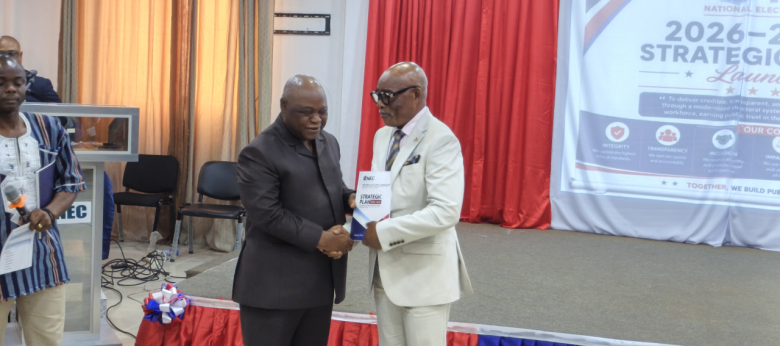
MONROVIA– The National Elections Commission (NEC) is proposing nearly US$90 million to finance the country’s 2029 Presidential and Legislative Elections, citing an expansion of voting precincts, the introduction of biometric voter verification equipment and investments in connectivity as key drivers of the projected cost increase.
By Augustus D.R [email protected]
The Commission is seeking US$89,545,353.92 for electoral activities spanning 2027 to 2029, representing a 40 percent increase over the cost of conducting the 2023 General Elections.
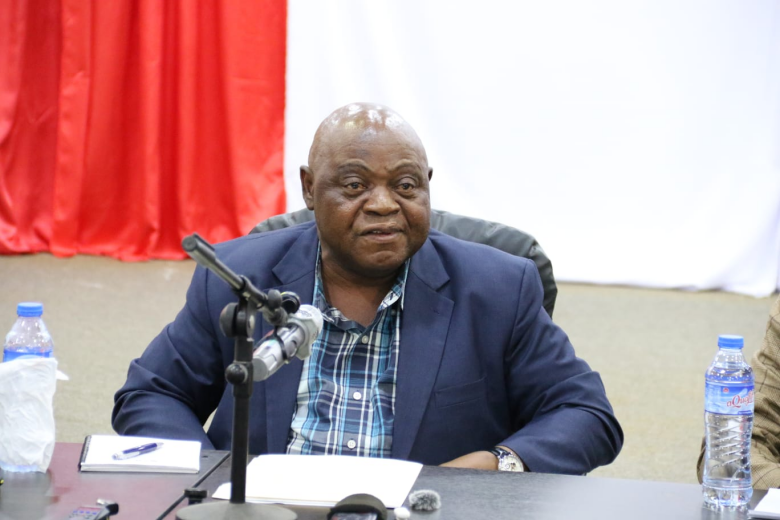
NEC Chairman Jonathan K. Weedor disclosed the proposed budget on Monday, November 23 at a press conference held at the James M. Fromayan Hall at the Commission’s Headquarters in Monrovia, saying the funding has been submitted to the National Legislature and the Ministry of Finance and Development Planning for consideration.
At the center of the Commission’s proposed spending is the expansion of Liberia’s electoral infrastructure, with voting precincts expected to increase from 2,080 in 2023 to 2,500 in 2029, adding 420 precincts nationwide.
The expansion is expected to accommodate a projected 2.7 million eligible voters during the voter registration exercise scheduled for the first quarter of 2028.
The NEC also anticipates approximately 10,000 polling places across the country, based on an average of four polling places per precinct.
Weedor said the projected increase in the electoral budget is largely driven by the need to accommodate the expanded precincts, procure biometric voter verification devices and strengthen communication infrastructure to improve the administration of the elections.
The Commission plans to procure more than 10,000 biometric voter verification devices to enhance voter identification and guard against multiple voting, while Starlink internet services are expected to improve connectivity between NEC headquarters and its field offices across the country.
US$44.1M earmarked for 2029 elections
The proposed US$89.5 million electoral budget is divided into three phases covering 2027, 2028 and 2029, with the largest allocation reserved for the conduct of the elections in 2029.
The first phase, covering 2027, is estimated at US$32.5 million and will primarily finance the timely procurement of biometric equipment required for voter registration.
The Commission says the funding should be made available by March 2027 to avoid delays in the procurement process.
The second phase, valued at approximately US$12.9 million, will cover the 2028 voter registration exercise, including personnel costs and the deployment and retrieval of electoral materials.
The third phase, covering 2029, is estimated at US$44.1 million and will finance ballot-related activities, personnel and other operational expenses associated with the elections.
The proposed budget also includes provisions for a possible presidential run-off election, should one become necessary.
Beyond election logistics, the Commission says the funding will support civic and voter education, geographical information services, public communications, political affairs and stakeholder engagement, which it considers critical to strengthening public participation and confidence in the electoral process.
NEC seeks additional US$14.3M for operations
In addition to the three-year electoral budget, the NEC has submitted a proposed 2027 recurrent budget of US$14,374,284.92 to support its institutional operations and infrastructure development.
Among the major projects under the proposed recurrent budget is the construction of a modern NEC data center intended to strengthen information storage, processing, management and security.
The Commission also plans to construct 17 guesthouses across 14 of Liberia’s 15 counties, excluding Montserrado County, to address accommodation challenges faced by electoral personnel during field assignments, training and other official activities.
The first four guesthouses are expected to be constructed in Nimba, Bong and Grand Bassa counties.
The proposed recurrent budget further provides for the relocation of some electoral magisterial offices from less-populated cities to areas with higher population concentrations, a move the Commission says will improve operational efficiency and reduce the distances involved in deploying personnel and electoral materials.
With the 2029 general elections still more than two years away, the NEC says the proposed allocations are intended to ensure early planning, adequate logistical preparation and improved electoral administration ahead of the next national polls.
Both the proposed electoral budget and recurrent budget remain subject to review and approval by the relevant authorities.