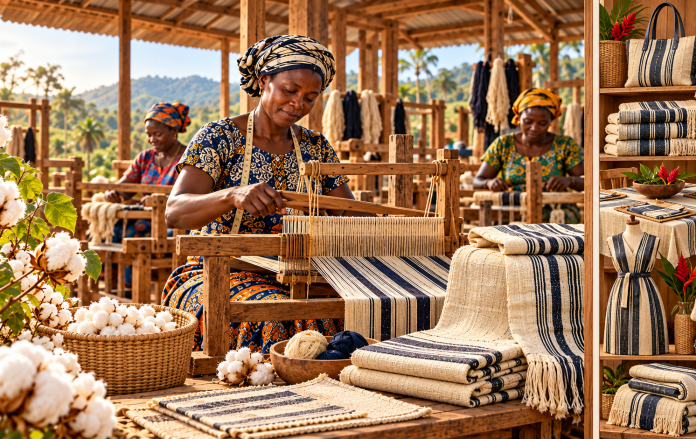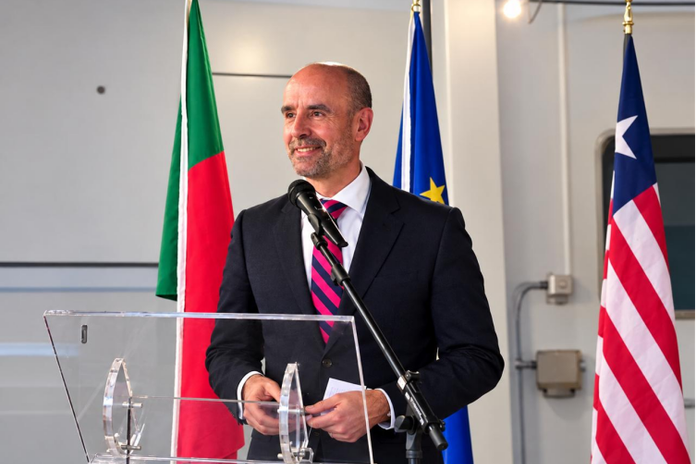
On November 5, the 9th China International Import Expo (CIIE) opened in Shanghai. This year’s Expo brought together 162 countries, regions and international organizations, with 4,142 overseas exhibitors, including 4 from Liberia. Its total exhibition area exceeded 440,000 square meters for the first time. Notably, the free exhibition space provided for least developed countries increased by 17%. Through institutional arrangements such as zero-tariff treatment and streamlined customs clearance, the Expo helps developing countries foster domestic industries and strengthen their capacity for self-sustaining development. The CIIE serves as a mirror, reflecting the defining spirit of openness based on mutual benefit and win-win cooperation.
By H.E. Yin Chengwu, contributing writer
Opening-up is an essential pathway to development and a defining feature of Chinese modernization. At a time when the global economic recovery faces challenges, unilateralism and protectionism are on the rise, and uncertainty surrounding global development continues to increase. China remains firmly committed to advancing high-standard opening-up and creating more opportunities for the world through its own development. China’s implementation of a zero-tariff policy for all African countries with which it maintains diplomatic relations is a concrete measure to expand opening-up and share the benefits of development. By reducing trade costs and broadening market access, this policy creates favorable conditions for African countries to leverage their resource advantages and expand exports to China.
Liberia was among the first countries to benefit from China’s zero-tariff policy, and China has become the fastest-growing market for Liberian exports. According to China Customs’ statistics, Liberia’s exports to China reached US$131 million in 2025, representing a year-on-year increase of 23.9 percent. Since the beginning of this year, economic and trade cooperation between the two sides has shown an accelerating momentum. In the first nine months of 2026, Liberia’s exports to China exceeded US$629 million, an increase of more than eight-fold year on year. Of this total, iron ore exports reached US$594 million, while rubber exports amounted to US$32 million. These figures demonstrate the deepening of China-Liberia economic and trade cooperation and the vast opportunities that the Chinese market offers to Liberian products.
Liberia’s development potential extends well beyond minerals and rubber. The country has favorable conditions for developing specialty agricultural products, including coffee, cocoa, cashew nuts, cassava, palm products and chili peppers. The Liberian Government is actively promoting commercial chili pepper cultivation and exports. The Liberian Ministry of Agriculture has distributed more than 600,000 chili pepper seeds to farmers, while Chinese companies have expressed interest in purchasing Liberian chili peppers for the Chinese market. With further improvements in production organization, quality management, inspection and quarantine, and market access, more high-quality Liberian agricultural products will be able to enter the Chinese market.
Zero-tariff treatment offers not only opportunities to expand exports but also new prospects for investment and industrial development. Policy benefits do not automatically translate into industrial competitiveness. Liberia needs to continue improving product quality, expanding large-scale production, and strengthening logistics, warehousing and processing capacity, while ensuring compliance with China’s market access requirements and relevant standards. At the same time, Chinese enterprises can leverage their strengths in capital, technology, markets and industrial supply chains to participate in Liberia’s agricultural production, agro-processing, mineral development, logistics and warehousing sectors, helping enhance local productive capacity and the value added of Liberian products.
The agricultural investment by China’s Mainland Group in Liberia is a positive example. The Group announced in August 2025 a plan to invest approximately US$100 million in Liberia over the next five years, focusing on rice, cassava, cocoa, coffee, sugar production, warehousing and logistics, with the aim of developing an integrated model encompassing agricultural cultivation, processing and trade. The company has already invested approximately US$10 million. Its cassava starch deep-processing project is under construction, alongside efforts to establish raw material production bases. Such investments will help expand agricultural production, create jobs, increase farmers’ incomes and improve access for Liberian agricultural products to China and other international markets.
In recent years, China-Liberia economic and trade cooperation has continued to deepen. In 2024, the two countries signed the Framework Agreement on Economic Partnership for Common Development, providing an institutional foundation for further expanding bilateral economic and trade cooperation. China stands ready to work with Liberia to better align the zero-tariff policy with Liberia’s ARREST Agenda for Inclusive Development (AAID), taking into account the country’s resource endowments and development priorities, and to further explore cooperation in mining, agriculture, agro-processing, infrastructure and logistics. China welcomes more capable and interested Chinese enterprises to invest and do business in Liberia, and encourages both sides to extend their cooperation beyond traditional trade to industrial investment, processing and manufacturing, and greater coordination across value chains.
Liberian Vice President Jeremiah Kpan Koung was invited to attend the above-mentioned CIIE and held talks with Ding Xuexian, Chinese Vice Premier of the State Council, injecting fresh impetus into efforts to deepen China-Liberia economic and trade cooperation. China will continue to advance high-standard opening-up and leverage the strengths of its vast market to create more development opportunities for African countries, including Liberia. China stands ready to work with Liberia to seize the opportunities presented by the CIIE and the zero-tariff policy, promote coordinated development in trade, investment and industry, and transform resource potential into tangible development outcomes. Together, we will deliver greater benefits to the peoples of both countries and achieve more substantive results in the China-Liberia Strategic Partnership.
H.E. Yin Chengwu is Ambassador of the People’s Republic of China to the Republic of Liberia.
Support Independent Journalism
Your support helps FrontPage Africa continue delivering independent, credible, and impactful journalism. Every contribution strengthens our ability to investigate, inform, and hold power accountable while keeping quality journalism accessible to our readers.
Support our journalism or subscribe to receive the latest FrontPage Africa stories and updates.