When we hear about the war in Ukraine, it can feel distant – something happening far away that doesn’t touch our lives in Liberia. It is tempting to view it as a political dispute between foreign nations that has little to do with the daily realities in Monrovia, Gbarnga, or Harper. But in today’s deeply interconnected global economy, no nation is an island. What happens in the Black Sea directly affects market stalls, kitchen tables, and family budgets here in Liberia.
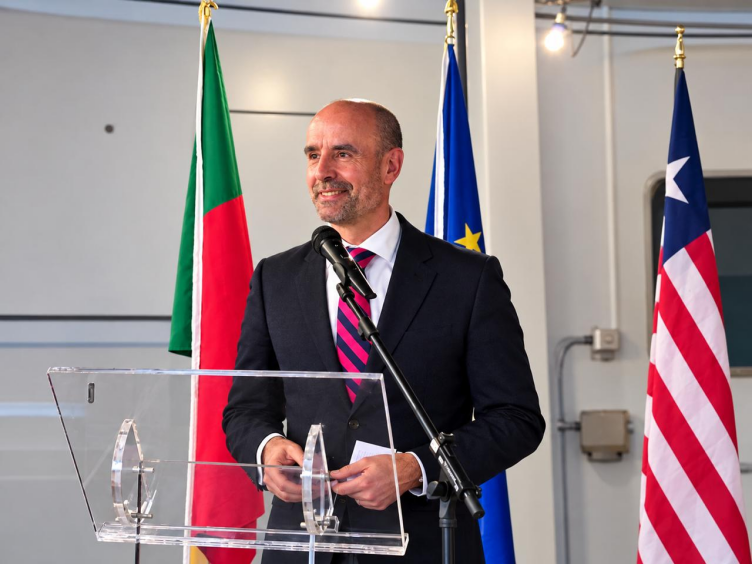
By Zoltan Szalai, contributing writer
Before the war, Ukraine was known as the “breadbasket of the world.” It supplied 15 percent of the world’s corn, 10 percent of its wheat, and half of all sunflower oil. These are not just numbers; they are the ingredients in the food we eat every day. But now, Russian attacks are destroying Ukrainian ports, farms, and grain storage facilities. Ships carrying food cannot move freely. Millions of tonnes of grain sit trapped, at risk of spoiling. Farmers who cannot sell their crops this year may not have the money to plant next year’s harvest. If this continues, food shortages and high prices could stretch well into 2027.
For Liberia, this is a serious problem. While Liberian farmers grow rice, they do not produce enough to feed everyone. Here in Liberia, we rely on imports for rice, wheat, cooking oil, and even fuel. When global food supplies shrink, prices rise – and those higher costs are passed to us consumers. That means the bag of rice you buy at the market costs more. The loaf of bread for your children’s breakfast is pricier. The cooking oil you need for every meal becomes harder to afford. For families already struggling with rising living costs, this is not just an inconvenience – it is a crisis.
The impact goes beyond food. When shipping and fuel prices increase, everything becomes more expensive. The cost of farming goes up. The price of transporting goods rises. Inflation stretches household budgets even thinner. Globally, over 645 million people now face hunger. Liberia, like many import-dependent nations, remains highly exposed to these disruptions. At stake is not merely the challenge is not just fighting against high prices; it is a fight for one’s ability to survive.
Food should never be used as a weapon. Yet right now, attacks on Ukraine’s food infrastructure are doing exactly that – using hunger as leverage in a war. The European Union has created alternative routes, called “Solidarity Lanes,” to help move Ukraine’s food by land and river. But these cannot replace the Black Sea, which normally handles 90 percent of Ukraine’s exports. Without safe shipping lanes, the world’s food supply remains at risk.
Liberia cannot afford to ignore this. The international community must take urgent action. First, the attacks on grain facilities and commercial ships must stop. These are not military targets; they are the sources of food for millions of people. Second, there must be guarantees for safe passage for civilian cargo vessels carrying essential supplies. Third, and most importantly, the only real solution is a lasting ceasefire and peace. Until then, families in Liberia and across the world will continue to pay the price.
This is not just Ukraine’s war – it is a crisis that touches us all. When The European Union demands an end to attacks on food supplies, we are not just standing up for Ukraine; we are protecting our own ability to feed our families. No parent should have to choose between putting food on the table and paying for their children’s school fees. No child should go to bed hungry because of a war they had no part in.
The world is connected, and our struggles are connected. What happens in Ukraine affects the price of rice in Monrovia, the cost of bread in Gbarnga, and the availability of cooking oil in Harper. The time to act is now – before more families are pushed to the brink. We may be thousands of miles away, but this fight is ours too.
About the author
Zoltan Szalai serves as the Chargé d’Affaires a.i. of the Delegation of the European Union to the Republic of Liberia.
Support Independent Journalism
Your support helps FrontPage Africa continue delivering independent, credible, and impactful journalism. Every contribution strengthens our ability to investigate, inform, and hold power accountable while keeping quality journalism accessible to our readers.
Support our journalism or subscribe to receive the latest FrontPage Africa stories and updates.