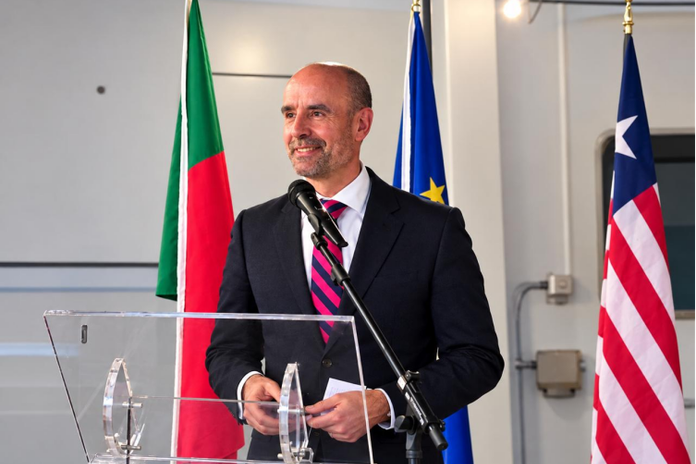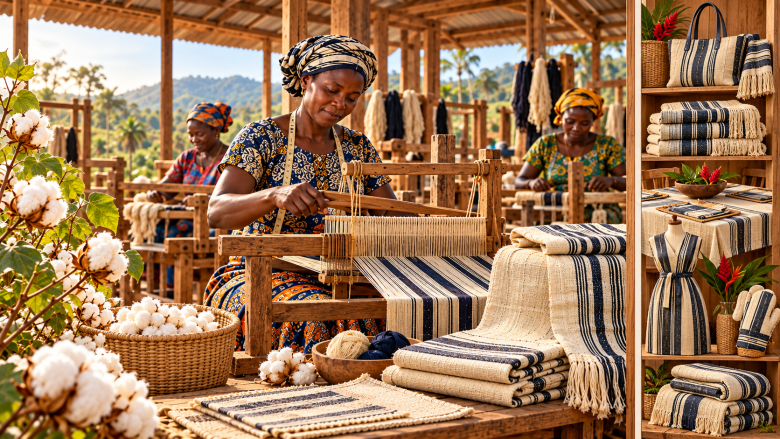
A short video from James Dorbor Jallah, Commissioner General of the Liberia Revenue Authority, made my day.
By Axel M. Addy
It showed the Lofa Women Weaving Center open again. The center started as an idea while I was Minister of Commerce and Industry. For years after 2018, it stood idle. Now the Government of President Joseph Nyuma Boakai has brought it back. I thank the President and every official, community leader and weaver who kept pushing for this day.
For me, this is personal. I know the women, the land and the promise behind that building.
One question
The project began with one question. How can Liberia turn a product we treasure into a steady income for rural women?
Lofa has woven country cloth for generations. Families wear it and keep it. Yet the women who made it earned little from their skill. We wanted to change that. We wanted a Liberian brand called Lofa Cloth, with quality standards, legal protection and buyers at home and abroad.
Help from Japan
The answer started in Tokyo.
The Government of Japan invited me on an official visit. I met members of the Diet, Japan’s parliament, and made the case for Liberia’s small businesses. Our Japanese friends listened, and they acted.
In 2014, the Ministry of Commerce and Industry established the Liberia Innovation Fund for Entrepreneurship, the LIFE Fund, under a grant from the Government of Japan. Japan signed the Note Verbale on April 22, 2014. The fund had an approved budget of US$665,000. It supported three initiatives: the E-Plus youth entrepreneurship program, the Liberian Marketplace at the Nancy Doe Market, and the Lofa Women Weaving Center.
The road to Kolahun
After Japan, my team and I travelled to Kolahun. The Superintendent hosted us. We sat with weavers, producers and community leaders. We asked how much cloth they made, what they needed and where a center could stand.
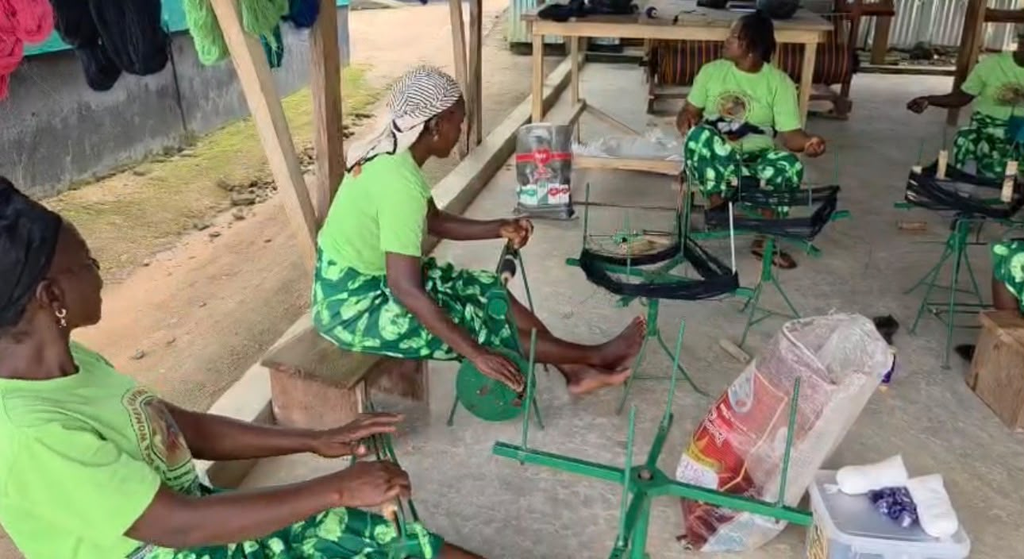
The elders of Lofa answered with a gift. They donated land from a 25-acre site for the center. The people of Bolahun and Kolahun, in Liberia’s cotton belt, worked together to make it possible. That cooperation showed the community owned this project from the first day.
We also gave the women a challenge. We asked them to create two or three new colour patterns. We asked them to make blankets, throws and placemats for the national MSME Conference.
They exceeded every expectation. At the MSME Conference, their products won a US$5,000 prize. At the Made in Liberia Trade Fair, their work sold out.
I learned a lesson in Kolahun that still guides me. Liberia does not lack talent. We lack organized production, design support, finance, market access and steady follow-through.
Munah Pelham’s vision
The late Hon. Munah Pelham saw this early. As a designer and model, she brought Liberian designers together for a country cloth fashion show at the 2014 MSME Conference. Designers made handbags, garments and accessories from the cloth. The show proved a traditional fabric could compete in modern fashion and remain Liberian. I remember her energy with gratitude.
What we built
The center was part of the Rural Industrial Promotion Program for Economic Empowerment (RIPE). Its goal was to organize rural women into cooperatives of 50 to 150 members. The Ministry of Commerce and Industry provided US$231,000 for construction through the LIFE Fund, under the Japanese grant.
The design included:
- A showroom for sales and exhibitions
- A tailoring hall for at least 10 tailors
- A weaving hall for at least 30 weavers
- A cotton receiving and processing hall for at least 5 machines
- Apprenticeship training for young weavers
The building went up. After 2018, it lacked the management, funding and market support it needed. The plan also relied on several ministries. The Ministry of Agriculture would support cotton farming. The Ministry of Commerce and Industry would connect the center to industrial policy, design and markets. When that coordination stopped, the center stopped too.
The next task: build the market
Phase one built the center. Phase two must build demand.
Liberia needs a national strategy for Lofa Cloth. It should cover cotton supply, weaving capacity, quality standards, modern design, cooperative management and reliable markets.
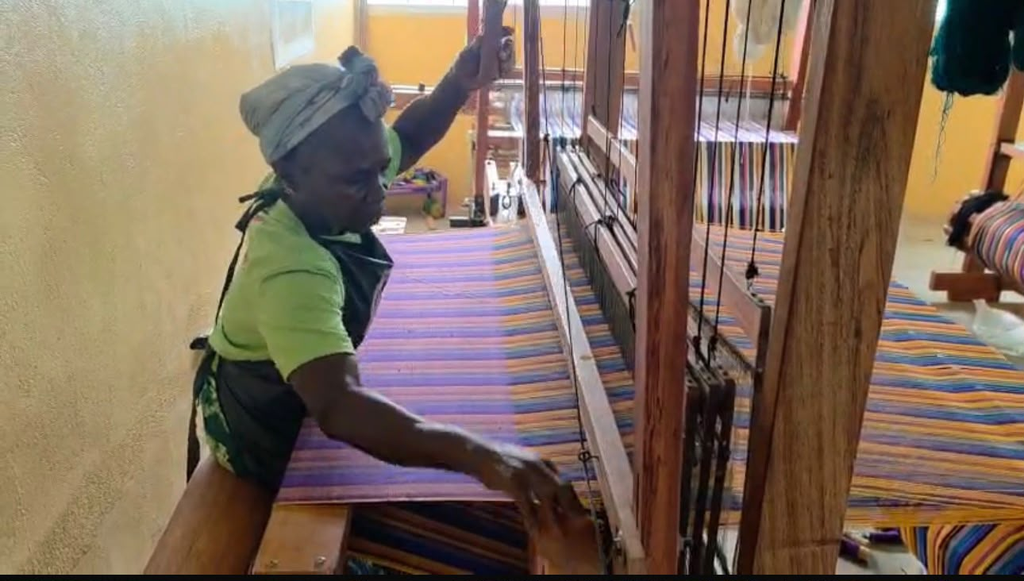
The Buy Liberian, Build Liberia agenda gives us a platform. The Wear Your Pride campaign gives us a simple action. If government officials wear Liberian-made clothing every Friday, weavers, tailors and designers gain regular customers. Citizens see that national pride includes buying Liberian.
Government can go further. Use Lofa Cloth for national gifts, official delegations and state events. Ask our embassies and diaspora groups to promote it abroad. Encourage hotels, airlines, universities and large firms to buy it.
The industry also needs investment in cotton processing, modern and manual looms, training, packaging, quality certification, e-commerce, trade fairs and geographical indication protection.
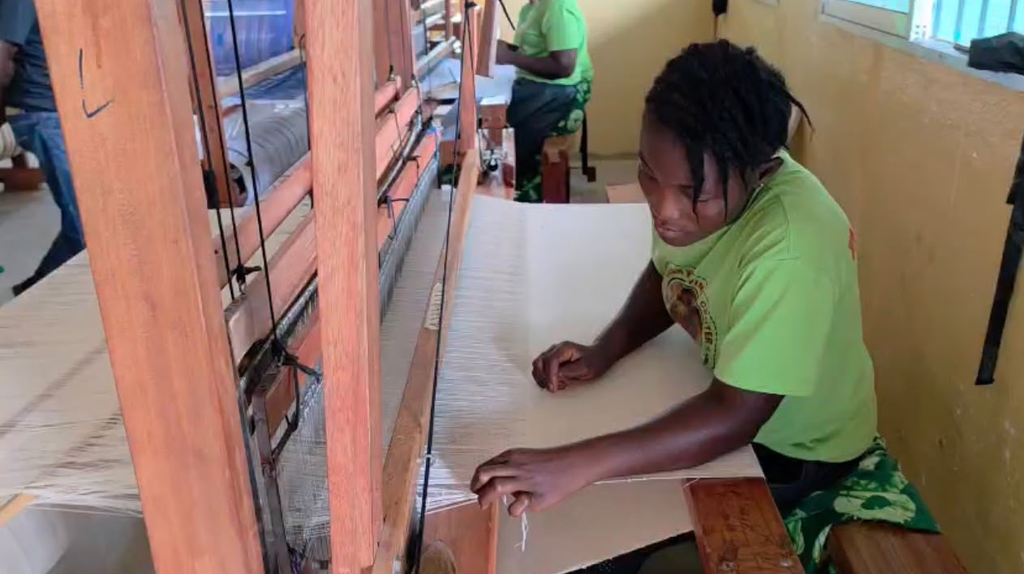
At a WTO Public Forum, I met a group from Burkina Faso that builds manual looms and trains women across Africa. Liberia should partner with African producers like them. Appropriate tools can multiply what our weavers produce.
Every Liberian has a role
The center can employ hundreds of women. It can create work for cotton farmers, transporters, designers, tailors, traders, photographers and exporters.
Government must lead with policy and resources. Businesses must invest and buy. Designers must innovate. The diaspora must promote and purchase. Development partners must support export readiness. Consumers must choose Liberian.
Lofa Cloth carries the history and skill of Liberian women. With steady support, it can travel from Kolahun to Monrovia, to the region and to the world.
So I ask every Liberian: Wear Your Pride. When you buy Lofa Cloth, you support a woman at her loom in Kolahun. You support a farmer, a tailor and a designer. You Buy Liberian, and you help Build Liberia.
Support Independent Journalism
Your support helps FrontPage Africa continue delivering independent, credible, and impactful journalism. Every contribution strengthens our ability to investigate, inform, and hold power accountable while keeping quality journalism accessible to our readers.
Support our journalism or subscribe to receive the latest FrontPage Africa stories and updates.