
Summary
- The long-delayed trial over Saudi-donated rice intended for vulnerable and disaster-affected Liberians but was allegedly diverted to line officials’ pockets has begun in Monrovia.
- Some flood victims in River Cess said they know little about the case and are receiving few updates as the trial moves forward.
- Victims said justice should mean more than prosecution. They want missing public assets recovered and affected communities to benefit.
By Joyclyn Wea, gender correspondent with New Narratives
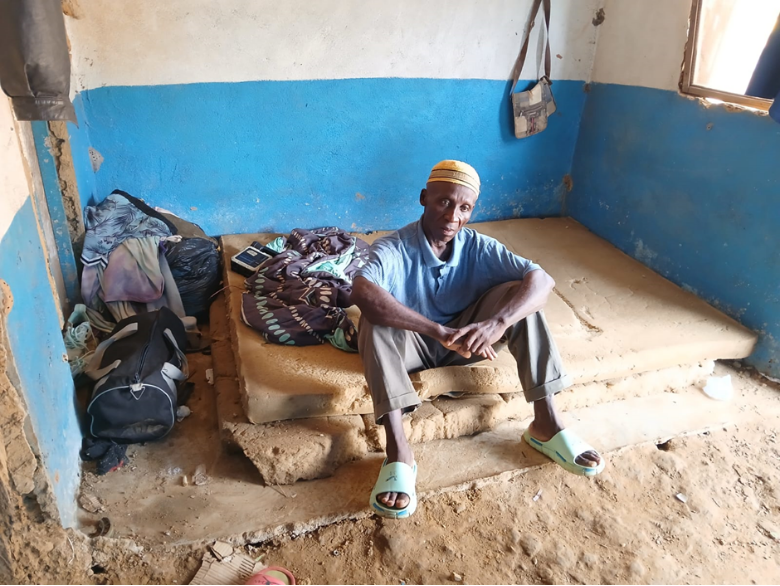
INTERNATIONAL TIMBER INDUSTRY VILLAGE, River Cess County — When Eric Kollor learned that former government officials were finally on trial over thousands of bags of Saudi-donated rice meant for vulnerable and disaster-affected Liberians, he was surprised. The case had been moving through the courts in Monrovia, but Kollor, one of the flood victims the assistance was supposed to help, did not know the trial had begun.
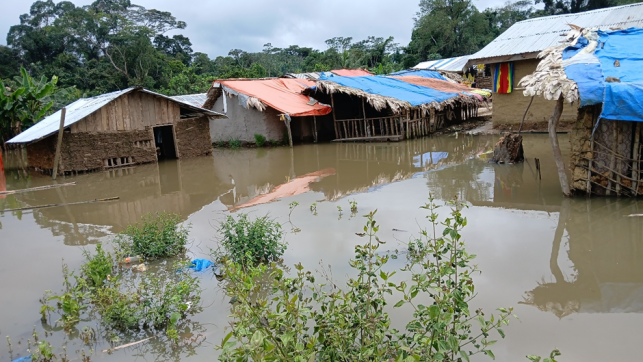
Kollor still remembers the 2024 flood that swept through International Timber Industry Village, widely known as ITI Village, damaging homes, the bridge, the police station and leaving families struggling. Residents were told government relief, including food and blankets, was coming. Kollor said none of it reached him.
“I want justice to be served well,” Kollor said.
Advocates said the trial is testing more than whether former officials illegally handled thousands of bags of Saudi-donated rice. It is also testing whether Liberia’s accountability system can deliver something meaningful for disaster victims who said promised assistance never reached them.
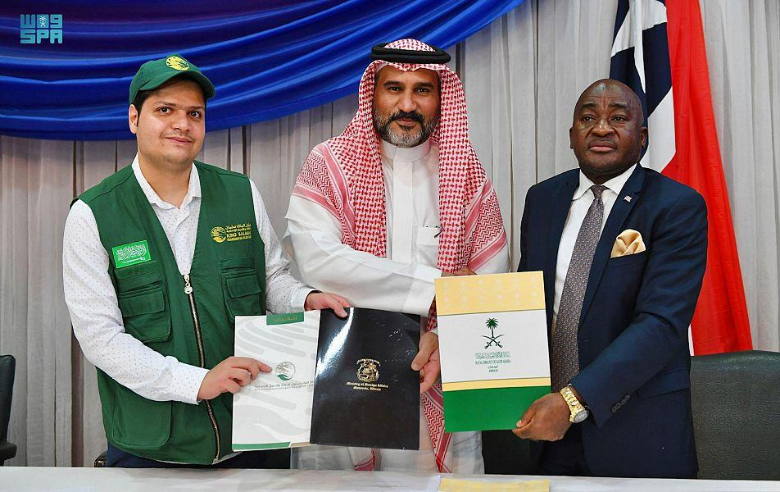
Saudi Arabia donated 29,000 bags of 25-kilogram rice to Liberia in 2023 for vulnerable and disaster-affected people in Margibi and River Cess counties. Prosecutors allege that 25,054 bags of rice, worth about US$425,918, were stolen, misapplied, or improperly distributed. For families in flood-hit communities such as ITI Village and nearby Glanyah Town, the bigger question is whether prosecution and recovery of public assets will ever translate into help for the people the rice was intended to serve.
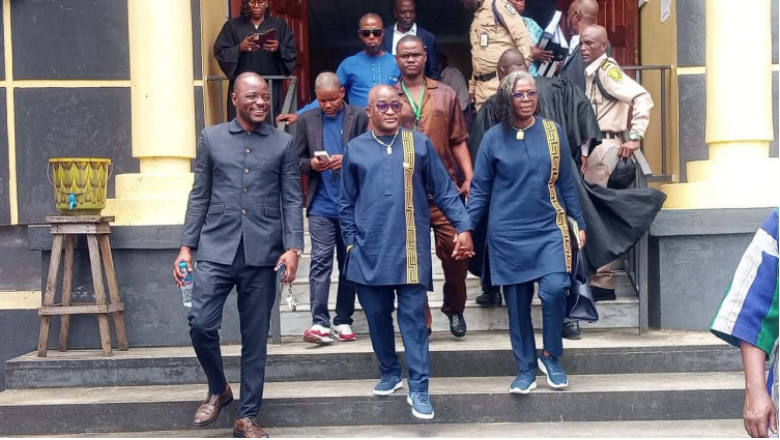
More than a year after senior former officials were arrested over the handling of that donation, their trial is now underway in Criminal Court “C” in Monrovia. The defendants have pleaded not guilty and are presumed innocent unless proven guilty. The trial began August 17 after months of delays.
In Glanyah Town, Veronica Wesseh had heard about the case. But for her, putting former officials on trial is not enough. She wants the missing assistance recovered and affected families to benefit.
“Let them bring our food. We are waiting for it,” Wesseh said.
For residents of ITI Village and Glanyah, the case has reopened painful memories of a disaster that destroyed homes and left many families waiting for assistance. A previous New Narratives investigation found that the 2024 floods swallowed 27 homes in the two communities and left at least one person dead. Six months later, residents said much of the government assistance they had been promised had still not arrived.
Across Liberia, floods affected about 100,000 people in 2024, according to Liberia’s disaster authorities. River Cess, Bong and Grand Cape Mount were among the hardest-hit counties. Wesseh remembers days of heavy rain before floodwater entered Glanyah.
She said soldiers later brought small quantities of rice, gari, salt and other supplies to the community. But she said many residents did not receive the larger assistance they had been told was coming.
The disaster reflects a growing national challenge.
The World Bank has warned that worsening climate impacts could shrink Liberia’s economy by 15 percent and push another 1.3 million people into poverty by 2050 if the country does not strengthen its ability to adapt. That makes the handling of disaster relief especially important for communities likely to face more flooding in the years ahead.
The Assets Recovery and Property Retrieval Taskforce, which investigated the Saudi rice case, said affected communities were involved in parts of the investigation.
Joseph F. Daniels, public relations officer of the Taskforce, said investigators visited communities in River Cess, Margibi, Bomi and Sinoe and spoke with residents and community leaders. He said some residents remain in contact with investigators and may testify for the state as the trial unfolds.
But Daniels acknowledged that this does not mean every affected resident is receiving individual updates about what is happening in court. Before the trial began, he said, the Taskforce issued public statements and appeared on radio programs, mostly in Monrovia, to explain developments in the case. It also relies on journalists to help keep the wider public informed.
A court gag order now limits what the Taskforce can publicly say while the case is underway, Daniels said. He said broader public updates are expected after the trial ends. For now, that communication has not reached everyone.
Anthony Ben Jones, a former stipendiary magistrate and elder with relatives in Glanyah, said some residents are only now beginning to understand the details of the case. In ITI Village, Kollor learned that the trial had begun only during his interview with New Narratives.
For victims, that information gap adds another layer to a case already centered on whether public assistance reached the people for whom it was intended.
The Task Force said its goal goes beyond securing convictions. Daniels said its responsibility is to investigate the alleged misuse of public assets and recover anything that can be retrieved.
But recovery does not automatically mean flood victims such as Kollor and Wesseh would receive the recovered rice, money or other assets. Daniels said decisions about who receives disaster assistance would fall to the National Disaster Management Agency, the government institution responsible for identifying disaster victims and distributing relief.
That leaves an important unanswered question for residents. There is no guarantee that prosecutors will recover the missing rice or its value. Even if assets are recovered, there is no guarantee they will be returned directly to the communities and families who say they went without assistance.
For victims far from the Monrovia courtroom, justice may be measured differently: by whether accountability eventually delivers something tangible to the people who were supposed to benefit in the first place.
This story was produced by New Narratives as part of the Investigating Liberia project. The funder had no say in the story’s content.
Support Independent Journalism
Your support helps FrontPage Africa continue delivering independent, credible, and impactful journalism. Every contribution strengthens our ability to investigate, inform, and hold power accountable while keeping quality journalism accessible to our readers.
Support our journalism or subscribe to receive the latest FrontPage Africa stories and updates.