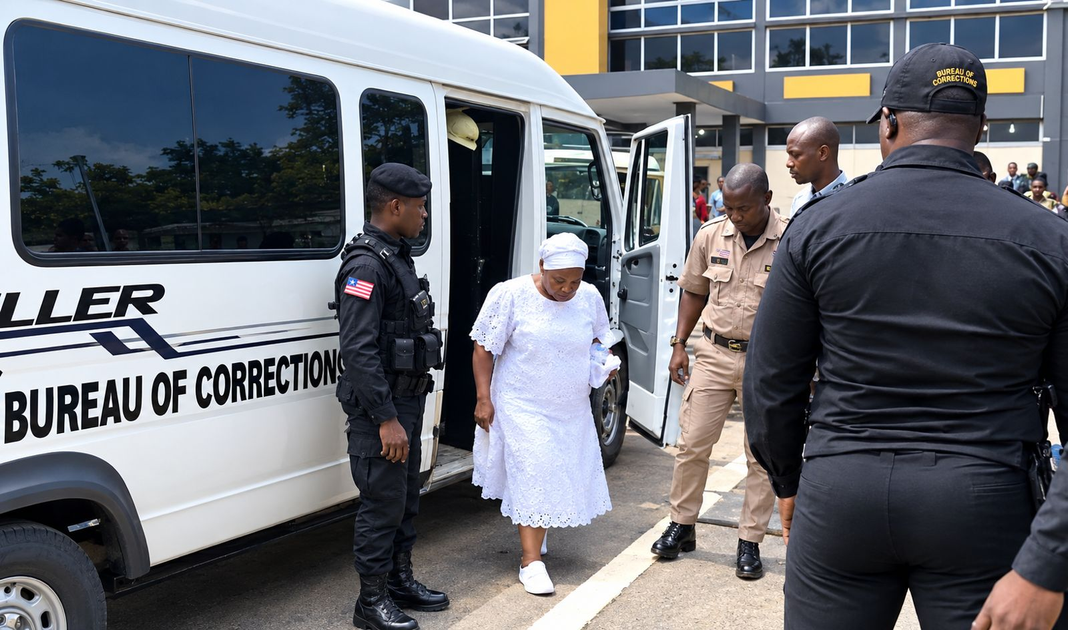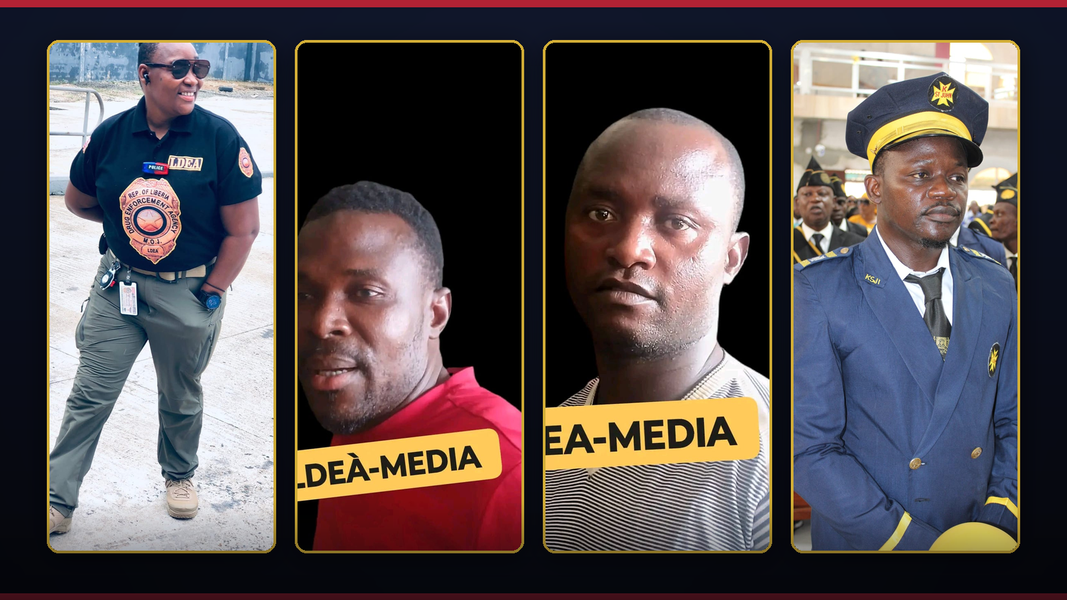

KAKATA, Margibi County — September 4, 2026: The criminal trial involving several officers of the Liberia Drug Enforcement Agency is approaching its decisive phase, with the 13th Judicial Circuit Court in Kakata set to hear closing arguments on Monday, September 7.
The development follows an order from Assigned Circuit Judge Roosevelt Z. Willie directing lawyers representing the Republic of Liberia and the accused officers to submit their legal memoranda ahead of the scheduled final arguments.
The court’s directive signals that the evidentiary phase of the proceedings is nearing its conclusion, with the jury expected to take over the case afterward for deliberations.
Among the defendants are Special Agent Joe Logan and Agent Lovette Flowers, who have consistently denied allegations of wrongdoing connected to the circumstances surrounding the arrest of convicted drug offender Quita Dolo Kosso.
The case has placed the actions of LDEA personnel under intense judicial scrutiny, particularly over what transpired during and after Kosso’s arrest and the conduct attributed to the officers involved in the operation.
From Arrest to Criminal Proceedings
The case grew out of the arrest of Quita Dolo Kosso, whose subsequent prosecution resulted in a drug-related conviction.
Kosso’s case became significant in the proceedings against the LDEA officers because the circumstances surrounding her arrest form an important part of the allegations brought against the defendants.
The prosecution has sought to establish its case through evidence presented during the trial, while the defense has challenged the allegations and maintained that the accused officers did not commit the offenses charged against them.
Logan and Flowers have rejected any suggestion that they acted improperly, leaving the jury to ultimately determine whether the prosecution has met the legal burden required for a conviction.
The proceedings have also involved other LDEA personnel, making the case broader than the allegations against Logan and Flowers alone.
Lawyers to Make Their Final Case
Monday’s proceedings will provide both sides with their final opportunity to address the jury before deliberations begin.
The prosecution is expected to use its closing argument to connect the evidence presented during the trial to the charges against the defendants and urge the jury to find them guilty.
Defense lawyers, meanwhile, are expected to argue that the prosecution has failed to establish its allegations to the required standard and will seek favorable verdicts for their clients.
Judge Willie’s requirement that both sides file legal memoranda ahead of the arguments is intended to ensure that the legal positions of the parties are properly placed before the court as the trial moves toward its conclusion.
The closing arguments themselves are not expected to introduce fresh evidence. Instead, lawyers will interpret evidence already presented and attempt to persuade the jurors about what conclusions should be drawn from the testimony and exhibits admitted during the trial.
Jury Faces Final Decision
Once the arguments are completed, the case is expected to be submitted to the jury.
The jurors will then deliberate privately before reaching a decision on the charges against the defendants.
Although there is speculation that a verdict could be returned on the same day, the length of deliberations will ultimately depend on the jury and the issues it must consider.
The outcome could bring an end to a case that has generated considerable interest within Liberia’s law-enforcement and legal communities.
A conviction would expose the defendants to whatever penalties are provided under the applicable laws for the offenses for which they are found guilty. An acquittal, meanwhile, would result in the defendants being cleared of criminal liability on those charges.
Until the jury reaches its decision, all of the accused officers remain presumed innocent under Liberian law.
Broader Questions Surround Case
Beyond the individual defendants, the proceedings have drawn attention to questions surrounding accountability within Liberia’s drug enforcement apparatus.
The case has raised public interest in how drug-related arrests are conducted, how evidence and suspects are handled by law-enforcement officers, and the degree of accountability that should apply when officers are accused of misconduct in the performance of their official duties.
For the LDEA, the outcome could also carry institutional significance, given the agency’s central role in investigating and prosecuting drug-related offenses in Liberia.
For the accused officers, however, Monday’s proceedings represent the final opportunity for their lawyers to persuade the jury before the decision-making process moves entirely into the hands of the jurors.
With Judge Willie’s order now placing the parties on the final stretch, the focus has shifted from the presentation of evidence to the arguments over what that evidence means.
The next major step will therefore be in the courtroom in Kakata on September 7, when prosecutors and defense lawyers make their closing submissions and the jury prepares to determine the fate of the accused LDEA officers.
The defendants’ guilt or innocence will ultimately be determined by the verdict of the jury.
Support Independent Journalism
Your support helps FrontPage Africa continue delivering independent, credible, and impactful journalism. Every contribution strengthens our ability to investigate, inform, and hold power accountable while keeping quality journalism accessible to our readers.
Support our journalism or subscribe to receive the latest FrontPage Africa stories and updates.