The United States’ decision to withdraw from a wide range of United Nations organisations, as outlined by the White House, marks a profound inflection point for the multilateral system. The scope of the withdrawal, spanning economic governance, peacebuilding, human rights, climate action, water, energy, gender equality, and capacity development, signals not merely a recalibration of foreign policy priorities but a structural shock to the architecture underpinning collective global action. For developing countries such as Liberia, whose environmental sustainability, climate resilience, and development trajectories are closely intertwined with multilateral cooperation, the implications are significant and multifaceted.
By Teddy P. Taylor
At the core of this decision is a challenge to multilateralism itself. Institutions such as the UN Department of Economic and Social Affairs (DESA), ECOSOC and its regional commissions, UNCTAD, and the Peacebuilding Commission provide platforms for deliberating global economic, social, and environmental policies through inclusive processes. The withdrawal of a major global actor weakens consensus-building, reduces political leverage for coordinated responses to transboundary challenges, and risks normalising unilateral approaches at a time when shared problems (climate change, biodiversity loss, water insecurity, and environmental degradation) demand collective solutions.
From an environmental sustainability perspective, the implications are particularly acute. The withdrawal from the UN Framework Convention on Climate Change (UNFCCC), UN Water, UN Energy, UN Oceans, and the UN Collaborative Programme on Reducing Emissions from Deforestation and Forest Degradation (UN-REDD) undermines the coherence of global environmental governance. These entities are central to aligning national actions with global goals, mobilizing climate finance, supporting technology transfer, and strengthening capacity in least developed countries. Their weakening risks slowing progress toward the Paris Agreement objectives, the Sustainable Development Goals, and integrated approaches to land, water, and ecosystem management.
For freshwater ecosystems, the consequences are especially concerning. UN Water plays a critical coordinating role across the UN system on water-related issues, promoting integrated water resources management, transboundary cooperation, and evidence-based policy. Reduced engagement and financing from a major contributor can constrain data generation, policy harmonization, and the implementation of basin-level and community-based water initiatives. In a country like Liberia, rich in freshwater resources yet vulnerable to pollution, climate variability, and governance gaps, such setbacks could exacerbate risks to livelihoods, public health, food security, and ecosystem integrity.
Equally important are the implications for Action for Climate Empowerment (ACE). ACE emphasizes education, training, public awareness, public participation, access to information, and international cooperation as pillars of effective climate action. Institutions such as UNITAR, the UN System Staff College, the UN University, UN Women, and the UN Democracy Fund play a crucial role in building human and institutional capacity, particularly in developing countries. A withdrawal from these bodies risks narrowing opportunities for climate literacy, youth engagement, gender-responsive climate action, and the empowerment of local communities, elements that are essential for translating global commitments into sustained national and subnational action.
Beyond environmental domains, exits from peacebuilding, human rights, and social development institutions have indirect but powerful environmental consequences. Environmental degradation and climate change are increasingly recognised as threat multipliers, exacerbating conflict, displacement, and social vulnerability. Reduced investment in peacebuilding, the protection of children and vulnerable groups, and inclusive development frameworks can weaken societal resilience, thereby amplifying the environmental and climate risks that multilateral environmental agreements seek to address.
For Liberia and other developing nations, this moment calls for strategic adaptation rather than retreat. The potential leadership vacuum underscores the importance of strengthening South–South cooperation, deepening African regional collaboration through bodies such as the African Union and the Economic Commission for Africa, and reinforcing partnerships with remaining multilateral actors, philanthropic institutions, and the private sector. It also places greater responsibility on national governments to uphold multilateral principles, maintain ambition under global environmental agreements, and ensure that climate action remains people-centered, inclusive, and science-based.
In conclusion, the United States’ withdrawal from these United Nations organizations represents a setback for multilateralism and a risk to environmental sustainability at a critical juncture. However, it also serves as a reminder that the resilience of the multilateral system ultimately depends on the collective commitment of its members. For Liberia, reaffirming engagement in multilateral environmental agreements, advancing Action for Climate Empowerment, and safeguarding freshwater ecosystems are not optional responses; they are strategic imperatives. By doing so, Liberia can contribute to sustaining global cooperation, even in the face of shifting geopolitical dynamics, and ensure that environmental stewardship and sustainable development remain shared global responsibilities.
About the Author
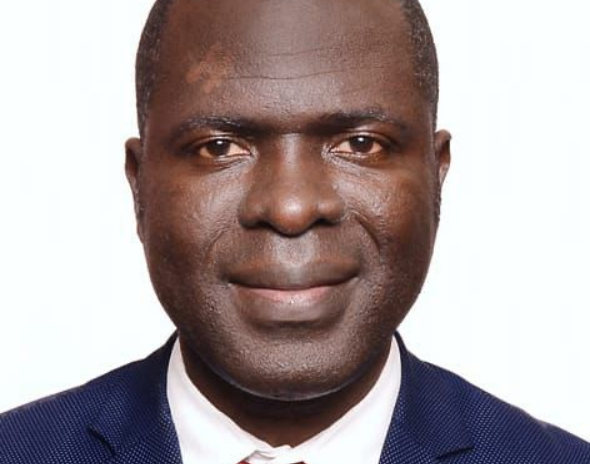
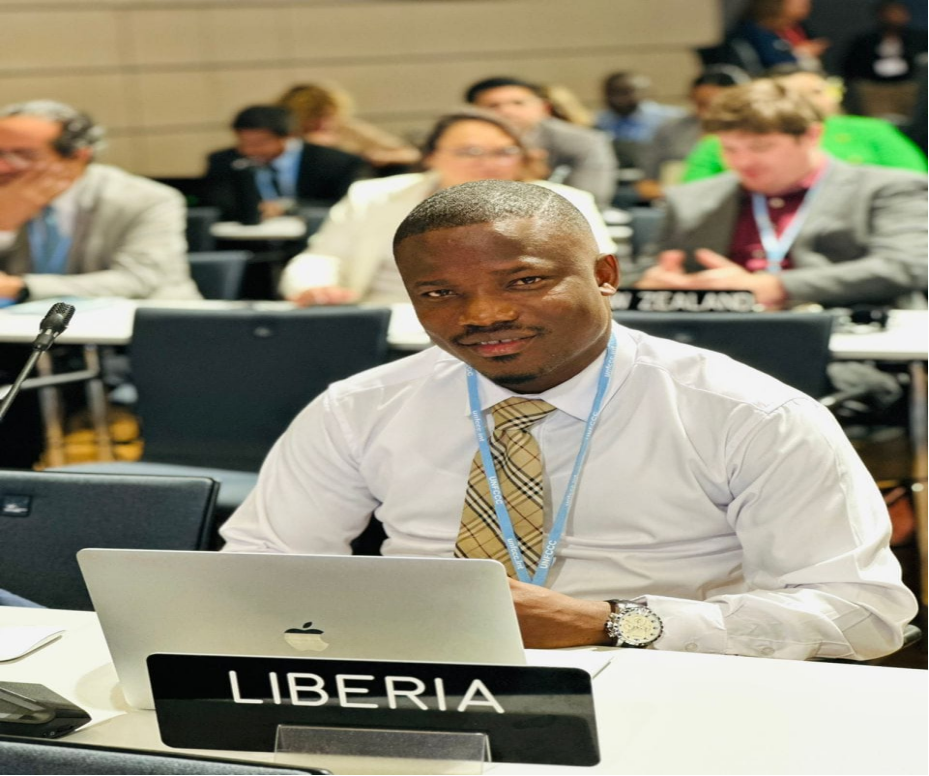
Teddy P. Taylor is a dynamic leader championing climate education, youth empowerment, and ecosystem resilience in Liberia. As a linchpin in both national and international climate negotiations—particularly under the umbrella of Action for Climate Empowerment (ACE) and freshwater ecosystem protection—he has strengthened Liberia’s global climate presence and driven strategic initiatives in climate education, freshwater conservation, and youth engagement. He is the Climate Change Assistant, Department of Multilateral Environmental Agreements, Environmental Protection Agency of Liberia. Also, he is the
National Focal Point for Action for Climate Empowerment (ACE) and Freshwater Ecosystems.
Support Independent Journalism
Your support helps FrontPage Africa continue delivering independent, credible, and impactful journalism. Every contribution strengthens our ability to investigate, inform, and hold power accountable while keeping quality journalism accessible to our readers.
Support our journalism or subscribe to receive the latest FrontPage Africa stories and updates.