Last week, our public education article explaining climate change reached more than 80,000 people. Today, we build on that conversation by explaining how we can protect ourselves from its effects and reduce the activities causing it. We also highlight practical steps the Government of Liberia and international partners are taking.
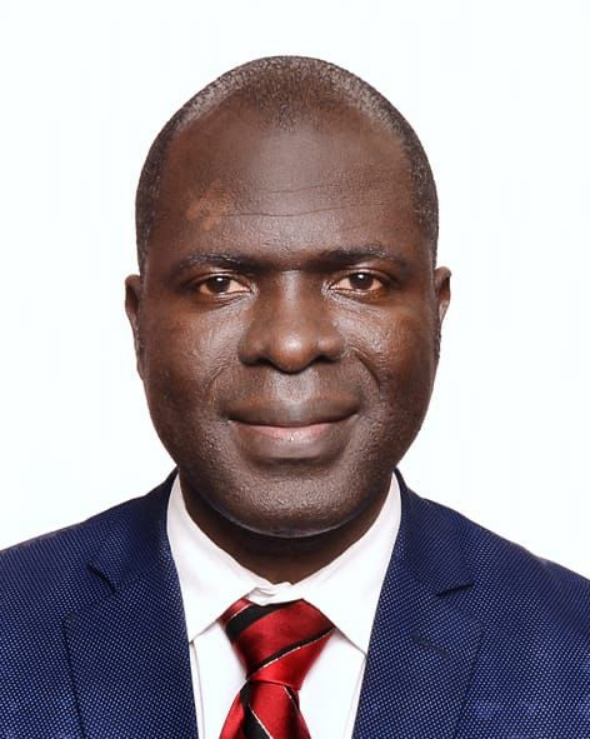
By Dr. Emmanuel K. Urey Yarkpawolo
Executive Director, Environmental Protection Agency of Liberia
Two important words describe our response: adaptation and mitigation.
Adaptation means adjusting to a changing climate to reduce harm. For a farmer, it may mean planting rice that matures earlier when rainfall becomes unreliable. For a coastal community, it may mean protecting the shoreline against erosion. For a town, it may mean improving drainage to reduce flooding.
Mitigation means reducing the gases that cause global warming or helping nature absorb more of them. Examples include replacing diesel-generated electricity with solar power, conserving energy and protecting forests. Trees absorb carbon dioxide, one of the gases that trap heat in the atmosphere. Simply put, adaptation helps us cope with climate change, while mitigation helps reduce its causes. We need both.
Some actions we take do both. Protecting mangroves helps store carbon while reducing coastal exposure to waves and erosion. This makes nature an important partner in protecting our communities. That is why the EPA is carrying on mangrove restoration projects in Sinoe and other parts of Liberia.
Liberia is already putting these ideas into practice through cooperation between government institutions and international partners.
In agriculture, the EPA has worked with the Ministry of Agriculture through cooperation with the International Atomic Energy Agency (IAEA), including the Atoms for Food initiative, to improve rice production. Laboratory work has reduced the growing period from approximately 120 days to about 91 days, with the aim of helping rice production cope with reduced or irregular rainfall.
For an ordinary farmer, the value is straightforward: rice that matures sooner may be harvested before seasonal rains end. This is a work in progress. This new variety of rice that withstand climate change has not reached to farmers yet but we will get there.
Another example is SARTLA (Strengthening Agricultural Resilience through Transformational Livelihood Adaptation in Liberia) project. The government, through the EPA and working with the Ministry of Agriculture, UNDP and other institutions, is implementing this project with support from the Global Environment Facility. This US$10 million project supports farming and livelihoods that can better withstand climate pressures. Activities include restoring ecosystems, strengthening agricultural advisory services and improving livelihood opportunities. This is adaptation translated into practical support for communities.
Along our coast, the government and its partners are also investing in protection. The Monrovia Metropolitan Climate Resilience Project, including work to protect West Point, brings together financing from the Green Climate Fund, UNDP and the Government of Liberia. In Sinoe County, the EPA and UNDP are implementing coastal resilience work with Global Environment Facility support. These efforts combine coastal protection with support for livelihoods and better planning. They demonstrate how international climate finance and national action can work together to protect lives and property.
On mitigation, the government has approved a National Carbon Market Policy. If effectively implemented, it can help make keeping forests standing an economic opportunity for Liberia and forest communities.
The basic idea is that verified reductions in emissions (harmful gases), or removals of carbon from the atmosphere, can generate carbon credits. Revenue from credible projects can support conservation and community development.
These examples show that the international community is contributing finance, knowledge and technology. The IAEA supports agricultural research; UNDP and other international partners such as Food and Agriculture Organization, Conversation International, IFAD and others help government implement projects; and international climate funds support adaptation and mitigation investments.
Nevertheless, the scale of need remains greater than the support available. Developed countries must fulfil their climate finance commitments, while major emitters must reduce the pollution driving global warming. Under the Paris Agreement, developed countries have obligations to support developing countries with both adaptation and mitigation. Liberia needs accessible finance, technology and training to expand practical solutions.
Citizens have an important part to play. Keeping garbage out of drains and waterways can reduce factors that worsen flooding. Keeping mangroves and other types of forests standing can absorb carbon and attract climate finance.
We can also conserve electricity and fuel, reduce food waste, and use cleaner cooking options where affordable. Community leaders, schools, religious institutions and businesses can help spread accurate information and protect shared infrastructure.
The work has begun, but much remains to be done. Every successful project, protected forest and prepared community strengthens our response. Together, we can protect Liberians and livelihoods while contributing to a safer climate for future generations.
Support Independent Journalism
Your support helps FrontPage Africa continue delivering independent, credible, and impactful journalism. Every contribution strengthens our ability to investigate, inform, and hold power accountable while keeping quality journalism accessible to our readers.
Support our journalism or subscribe to receive the latest FrontPage Africa stories and updates.