MONROVIA — For Roselyne M. Kollie, a member of the Women in Peacebuilding Network (WIPNET) Peace Hut in Fish Market, Montserrado County, a two-day peacebuilding training was more than an opportunity to learn. It was a reminder that young people must be included in decisions affecting their communities.
By Patience M. Jones, [email protected]
“Any decision we are making, I will call the youth so that they can be part of it,” Kollie said, describing one of the key lessons she intends to take back to her community.
Her commitment reflects a broader challenge facing Liberia more than two decades after its civil war: ensuring that women, young people, survivors of conflict, and persons with disabilities have meaningful opportunities to shape peacebuilding and transitional justice processes.
Through the PeaceGen Project, the Women NGOs Secretariat of Liberia (WONGOSOL), with funding from the European Union and co-funding from the Embassy of Ireland, is working to strengthen existing Peace Huts and community-based conflict management structures in Montserrado, Bomi and Bong counties.
The initiative seeks to integrate the Women, Peace and Security (WPS) and Youth, Peace and Security (YPS) agendas into community-level peacebuilding.
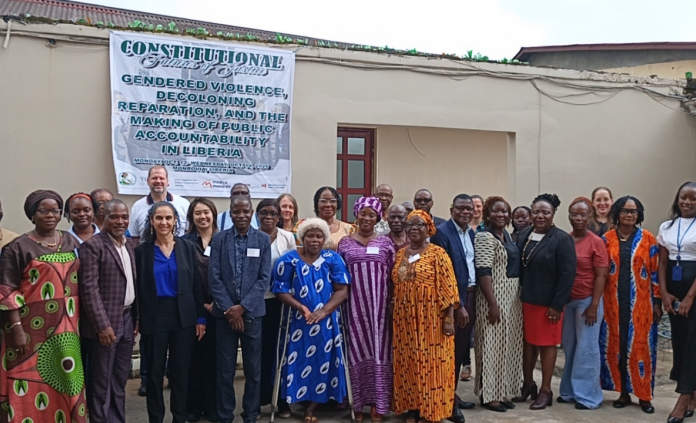
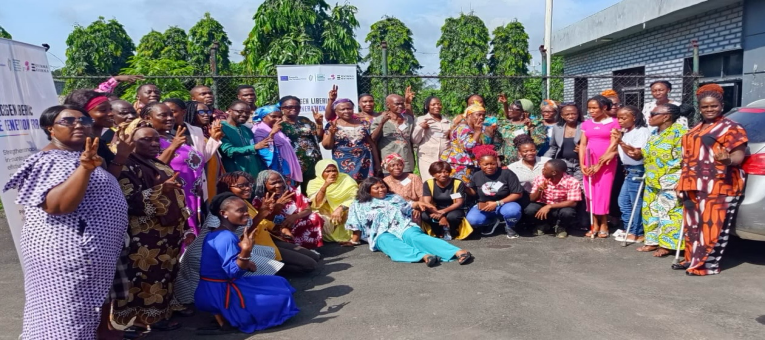
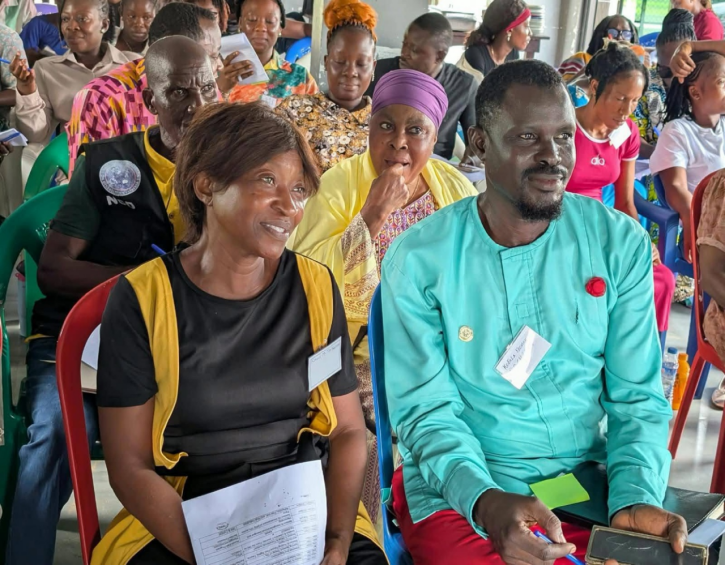
Held October 12–13 at the WIPNET Peace Hut in Fish Market, the Montserrado Training brought together more than 50 participants, including women leaders, youth representatives, persons with disabilities, civil society actors and other local stakeholders.
For participants, the discussions highlighted a shared concern: sustainable peace requires more than the absence of conflict.
It demands accountability, inclusion, and opportunities for communities to address past injustices.
Young women call for accountability
For Jamaima S. Tweh, Chair of the Gender Committee of the Mano River Union Youth Parliament, Liberia Chapter, strengthening peace begins with protecting women and girls from sexual and gender-based violence.
Tweh expressed concern about reported cases of sexual violence, arguing that protective policies mean little without effective implementation and accountability.
“Once there are policies set up … there are penalties to whosoever violated these laws,” she said, calling on authorities to ensure that perpetrators are held accountable in accordance with the law.
She also highlighted the stigma and cyberbullying survivors may experience when their cases become public, stressing the importance of protecting victims from further trauma.
In rural communities, she said, limited awareness of reporting procedures can prevent families from responding appropriately when children experience sexual abuse.
Tweh called for simplified public education across Liberia’s 15 counties to help communities understand how to report abuse and preserve evidence.
“Once the people are well informed about some of these things, … you will get proper reports,” she said.
Her concerns underscore the importance of community education, victim protection, and access to justice in strengthening public confidence and preventing further harm.
‘Young People Must Be Part Of The Decision’
Tweh also emphasized that young people must move beyond being described as Liberia’s future leaders to participating meaningfully in decisions today.
She said awareness of the Youth, Peace and Security agenda is essential to its implementation, noting that young people cannot exercise their rights if they do not understand them.
“How can a person act on a document if they don’t know what is in it for them?” she asked.
She called on government institutions and other decision-makers to include young people throughout policy development and implementation.
“It’s not about encouraging young people; they have to ensure youth participation,” she said.
For Tweh, meaningful participation means giving young people opportunities to contribute ideas, assume leadership responsibilities, and help shape the country’s future.
Persons With Disabilities Demand A Voice
Evelyn K. Dennis, livelihood empowerment unit coordinator at the National Commission on Disabilities, said the training reinforced the need to include persons with disabilities in peacebuilding and public decision-making.
“This is an eye-opener, that we shouldn’t only be invitees; we should also be participants,” Dennis said. “We should have a voice in everything that concerns any other Liberian.”
She identified inaccessible meeting venues and the absence of sign-language interpreters as barriers that prevent persons with disabilities from participating fully.
Dennis urged organizations to ensure that venues are accessible and interpretation services are available when needed.
“Peace is everybody’s business,” she said.
She also called for persons with disabilities affected by conflict to be considered in transitional justice efforts, alongside expanded livelihood training to help them achieve greater independence.
For Dennis, inclusion means ensuring that people can contribute to decisions affecting their lives, regardless of disability, educational background, or social status.
Taking Peace Back To The Community
Kollie said she intends to apply the lessons by encouraging young people to participate in community decisions and peacebuilding activities.
She described engaging young men in her community, including those in ghettos, and encouraging them to avoid drugs and consider their responsibilities to their families.
She believes young people can influence their peers when given positive opportunities and the confidence to participate.
Her message reflects the PeaceGen Project’s broader effort to revitalize Peace Huts as spaces where generations can work together to prevent violence, resolve disputes, and promote reconciliation.
Stephen Roberts, representing the Liberia Peacebuilding Office’s Early Warning and Early Response Mechanism, also emphasized the importance of youth participation in sustaining peace.
He called for greater investment in youth development through education, community engagement, and leadership opportunities, arguing that young people need the knowledge and skills to manage conflict and contribute positively to society.
From Training To Action
More than two decades after Liberia’s civil war, accountability, reconciliation, and the experiences of survivors remain important to the country’s transitional justice agenda.
Through intergenerational dialogue and memory sessions, the PeaceGen Project seeks to create opportunities for communities to discuss past experiences, strengthen understanding between generations, and help prevent future conflict.
The initiative also aims to help participants develop local action plans, strengthen existing peacebuilding structures, and establish a network of community actors to support continued dialogue and transitional justice activities.
The project is implemented by Kvinna till Kvinna in partnership with WONGOSOL, the Female Journalists Association of Liberia (FeJAL), the Alliance for Peace, Justice and Human Rights (APJHR), the National Young Women Political Council of Liberia, and the Association of Female Lawyers of Liberia (AFELL).
Ultimately, the initiative’s success will depend on whether its lessons translate into action and whether marginalized groups gain meaningful opportunities to influence decisions affecting their communities.
For Kollie, that change begins by bringing young people into the conversation. For Tweh, it requires accountability and meaningful youth participation. For Dennis, it means ensuring that persons with disabilities have an equal voice.
Together, their messages underscore a central lesson for Liberia: lasting peace requires more than ending conflict. It requires ensuring that everyone has a voice in shaping the country’s future.
Support Independent Journalism
Your support helps FrontPage Africa continue delivering independent, credible, and impactful journalism. Every contribution strengthens our ability to investigate, inform, and hold power accountable while keeping quality journalism accessible to our readers.
Support our journalism or subscribe to receive the latest FrontPage Africa stories and updates.