GBALAKEN, Maryland County — For residents of Dorrobo Gbalaken Town in Karluway Statutory District, Maryland County, falling sick often marks the beginning of a difficult journey rather than a trip to a nearby clinic.
By Peter P. Toe, Jr.
With no functioning health facility in the community, residents must walk approximately one hour and thirty minutes to reach the nearest healthcare center in Karloken City.
Those fortunate enough to find a motorbike can make the trip in about 30 minutes along a remote community road passing through dense forest.
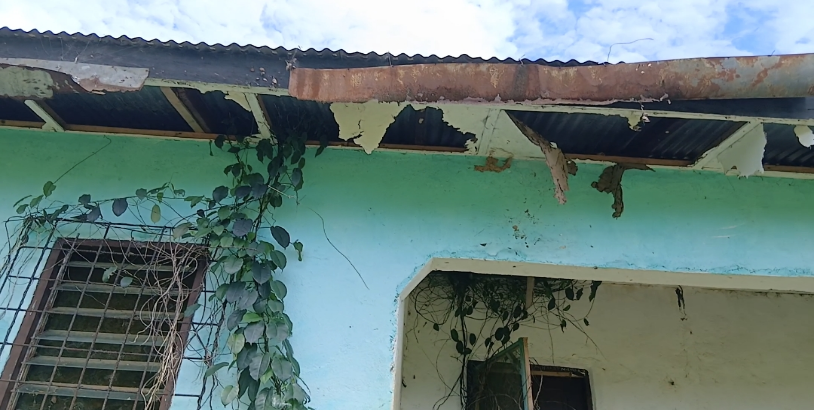
The situation leaves more than 800 residents vulnerable, particularly pregnant women, children, the elderly and emergency cases who often struggle to access timely medical attention.
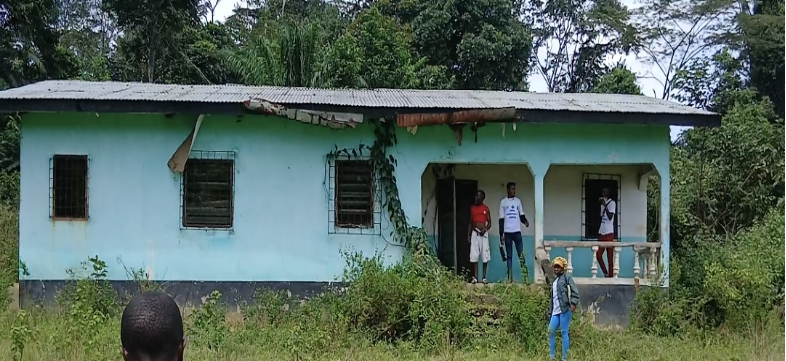
At the center of the community’s frustration stands an unfinished clinic project initiated in 2009 but never completed.
Community Health Assistant Alfred Nyantee described the abandoned structure as a painful reminder of years of neglect and unfulfilled promises.
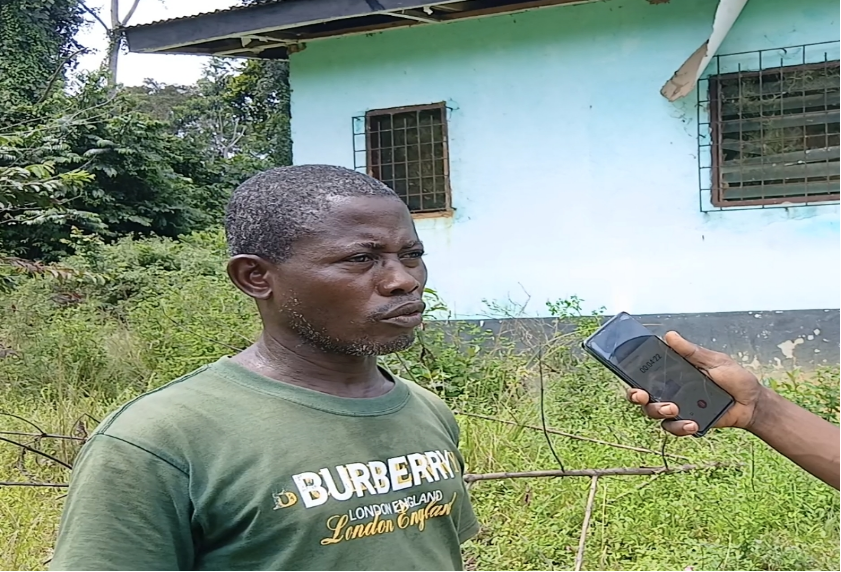
“We have been denied by government,” Nyantee lamented, pointing to the deteriorating building now surrounded by overgrown bushes and occupied by animals.
According to Nyantee, the clinic project was funded by the United Nations Development Programme (UNDP) through the Government of Liberia during the administration of former Maryland County Superintendent, now Senator J. Gble-bo Brown.
Groundbreaking for the project was held on August 4, 2009, with an estimated budget of about US$19,000.
However, despite the initial efforts, the project stalled and has remained incomplete for more than 14 years.
Doors have fallen apart, roofing materials are missing, and a nearby toilet facility has also been overtaken by bushes.
Dorrobo Gbalaken Town, formerly known as Dorrobo Free Town, serves as an important link between Karluway and Barrobo Statutory Districts in Maryland County’s District 3. Despite its strategic importance, the lack of a functioning clinic continues to place residents at risk.
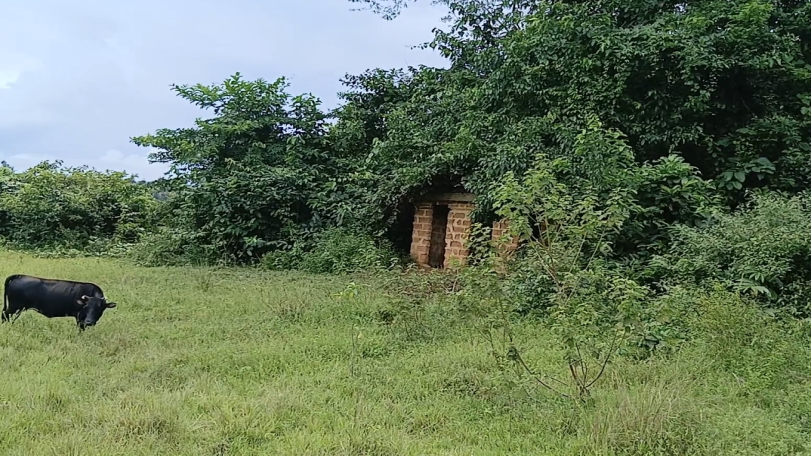
“When someone is seriously sick, it becomes very difficult,” Nyantee explained. “Sometimes we appeal to community members, and when there is no help, we rely on traditional means.”
Residents say they have repeatedly appealed to successive leaders, including Senator James Biney. Nyantee recalled that in 2019, Senator Biney donated 28 pieces of ceiling tiles and later promised during the 2020 Special Senatorial Election campaign to complete the clinic if elected.
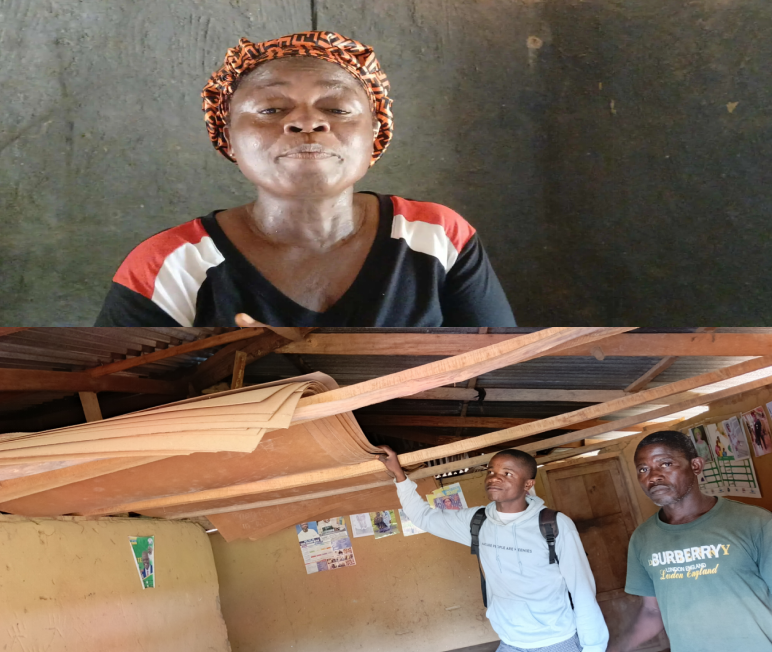
However, according to Nyantee, the donated materials remain unused. The materials were reportedly seen at Nyantee’s residence during a recent visit by this paper.
Residents also say the senator has not returned to the community to address the issue since his election.
Madam Eliza Dioh, Women Leader of Gbalaken, expressed strong disappointment over the situation.
“The people we put in the seat, they can fool us like baby ma carry baby in stranger. They can promise us and forget about us. Why Senator Biney can’t do what he promised for which we voted him?,” she asserted.
The community is now calling on the national government, county authorities, lawmakers, and development partners to urgently intervene and complete the abandoned facility.
Efforts by this paper to contact the senator and his home office coordinator for comment through phone calls, WhatsApp and text messages were unsuccessful at the time of publication.
For residents of Gbalaken, the unfinished clinic represents more than an abandoned building — it is a symbol of hope delayed, while every illness continues to begin with a long and uncertain journey, where time, distance, and hope often determine survival.
Support Independent Journalism
Your support helps FrontPage Africa continue delivering independent, credible, and impactful journalism. Every contribution strengthens our ability to investigate, inform, and hold power accountable while keeping quality journalism accessible to our readers.
Support our journalism or subscribe to receive the latest FrontPage Africa stories and updates.