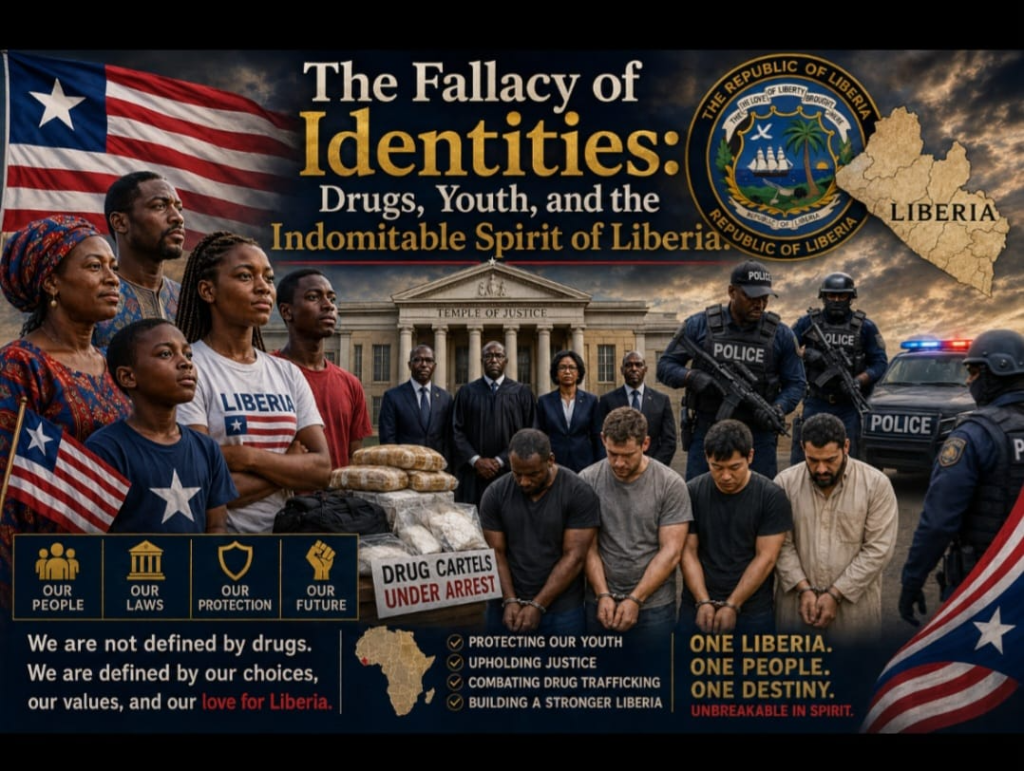
Liberia’s identity should not be defined by drug trafficking or criminal cartels but by the resilience, patriotism, nationalism, and determination of its people, especially its future generations, the youth, and young people.
Former Guinean President Ahmed Sekou Toure: “A starving child does not ask from which country comes his bread.” As Liberians are struggling with this epidemic, its starving arms are open to any nation for help to dismantle and dismember this drug cancer eating youth, and its cartels from the lives of the Liberian people.
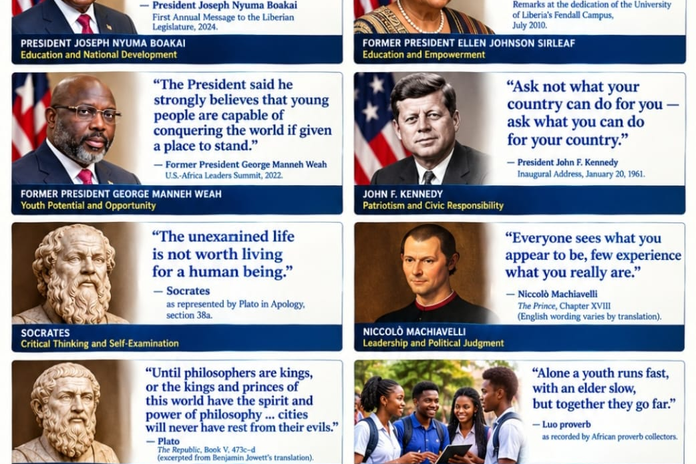
President Joseph Nyuma Boakai: “The drug epidemic is a national emergency that we have to deal with.”
“Nobody will be spared” in investigations surrounding major drug trafficking cases in Liberia.
“Liberia is not open for the business of drug trafficking.”
World leaders’ remarks(quotes)on the DANGER OF ILLEGAL DRUGS on nations, and youth:
US President Donald J. Trump: We will not rest until the cartels are dismantled, illicit fentanyl is eradicated from America’s streets, and every family is safe from this chemical weapon.” — The White House Fact Sheet, December 15, 2025.
“Whatever we have to do to stop drugs—it’s OK with me.” — Remarks to reporters regarding possible action against drug trafficking organizations, November 17, 2025.
“The cartels and transnational gangs targeted by law enforcement are predators that only exist to make money and harm our communities.” — Statement delivered during a White House briefing on drug trafficking at the southern border.
“The flow of contraband drugs like fentanyl into the United States… has created a national emergency.” — White House Fact Sheet announcing tariffs related to drug trafficking, March 3, 2025.
“We have tremendous amounts of fentanyl coming into our country. It kills tens of thousands of people.” — Remarks on the national security and humanitarian crisis at the southern border.
UN Secretary General Antonio Guterres: “Drug trafficking fuels conflict, corruption and organized crime.”
Former US President Joe Biden: “We will continue to disrupt the global drug trafficking networks that threaten our communities.”
Nayib Bukele: “There can be no peace while criminal organizations control our communities.”
Narendra Modi: “Drugs are not just a personal problem; they destroy families and nations.”
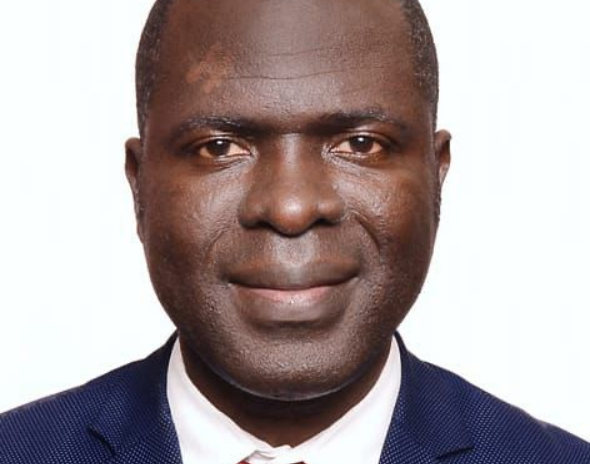
By: Austin S Fallah – A True Son of the Planet Earth Soil: [email protected].
The pervasive influence of drugs and their associated cartels has become a significant issue for Liberia, threatening to hold its youth, young adults, and the nation hostage.
While many may view drugs as a personal choice or a matter of individual agency, the implications for society as a whole are strikingly severe.
The potential of drugs to shape a nation’s identity and future cannot be dismissed.
As one observes the current state of affairs, it is paramount that well-meaning Liberians recognize this crisis for what it is: a direct assault on the fabric of society, co-opting not only the present but also the country’s future.
As the unfortunate designation of “Zogos” arises to label the nation’s most vulnerable, we are reminded of the words of former Guinean President Ahmed Sekou Touré: “We prefer poverty in liberty to riches in slavery.”
This discourse will articulate the urgent need for national discourse and action to combat the drug crisis, advocating that Liberians must prioritize the preservation of their identity, future, and the safety of their communities over the burdens of drug dependency.
The Impact of Drugs on Youth and Society:
The term “Zogos” refers not just to a demographic of marginalized individuals but also to a symbolic representation of despair, hopelessness, and societal failure.
Young people in Liberia, many of whom face insurmountable challenges, are especially vulnerable to the lure of drug use. Unemployment, a lack of educational opportunities, and a general sense of disenfranchisement create an environment where drugs can easily take root.
Compounding these issues is the lack of adequate mental health services and community support systems that could otherwise provide guidance and healing.
Every community has its share of youth struggling to find their way, and the pressures on many Liberian youth are especially pronounced.
With the prevalence of drug cartels operating within the nation, the lure becomes not just about abating personal distress but also about economic survival.
Young people may turn to drug manufacturing or distribution as a means to make ends meet, perpetuating a vicious cycle that entraps them further into a world that offers no genuine hope.
Thus, drugs not only claim individuals but also comprise a structural challenge to the social and economic health of the nation.
Furthermore, the socio-economic ramifications of drug abuse extend beyond the individual, spilling into families and community structures.
Families increasingly find themselves divided and struggling to cope with the fallout of a member’s addiction.
Divorces may become more commonplace, children may become neglected or orphaned, and communal trust may deteriorate.
This breakdown marks a significant departure from Liberia’s historical characterization as a haven for humanity’s quest for freedom and justice.
Instead, the country risks being overshadowed by an identity tethered to drugs and violence.
The Responsibility of Leadership:
To combat this epidemic, those in positions of authority must step up and act as allies rather than passive observers.
Elected officials, community leaders, and educators must acknowledge their responsibility to the populace, particularly to the youth.
Governmental complicity, whether through neglect or wilful ignorance, serves only to empower the drug trade and silence the voices of those who wish to bring about change.
Leadership must not only be vocal in addressing this crisis but should also promote actionable policies that safeguard the future.
Initiatives may include community outreach programs, educational seminars, and support networks aimed at preventing drug abuse.
More significant investments in mental health services would also go a long way in healing communities ravaged by drug dependency.
Additionally, employment programs that engage youth in productive activities can address the root causes of why individuals may turn to drug-related activities in the first place.
Community Engagement and Public Safety:
A strong solution to combat drug use and its accompanying societal challenges lies in active community engagement.
Just as Liberians have experienced the devastating effects of drug dependence, they also possess the knowledge and capacity to mount an effective defense against it.
Grassroots organizations, local churches, and civic groups have unique access to individuals and families affected by the crisis.
These communities can serve as the backbone in educating and empowering youth, framing the narrative of drug use not as a social norm but as a serious public health issue that requires concerted intervention.
Public safety must become a collective priority, not just a governmental agenda.
By reclaiming public spaces from the grip of drugs and presenting them as zones of safety and positivity, communities can counter the pervasive influence of drugs.
Individuals can participate in neighborhood watch programs, clean-up initiatives, and positive leisure activities that help cultivate a sense of pride and ownership.
Engaging local art, music, and culture can further inspire young people, allowing them to channel their energies into creativity rather than substances.
The Fight for Identity and Future:
As Liberia grapples with the drug crisis, it must confront the uncomfortable reality of its identity being at risk.
The entrenchment of the drug problem fosters a dangerous self-perception among those labeled as “Zogos.”
This identity not only stigmatizes individuals but also signifies defeat in the national consciousness.
A society that becomes comfortable with such terminology forfeits the possibility of positive growth and evolution.
Liberia has the opportunity to redefine its narrative, focusing on resilience rather than despair.
The collective memory of being a beacon of hope should inspire a reawakening of pride and motivation.
By embracing unity, education, and rehabilitation, Liberia can forge a path toward recovery that elevates the dignity of all citizens, including those currently engulfed in the drug crisis.
The drug crisis in Liberia stands as a challenge that demands immediate action from every sector of society: government leaders, communities, families, and individuals.
These substances may wield power over the vulnerable, but they do not define the nation.
As we look to the past for inspiration, we are reminded that “We prefer poverty in liberty to riches in slavery” is not merely a historical sentiment but an essential paradigm for Liberians today.
The path of self-destruction is fraught with peril; it is our collective responsibility to prioritize the health and future of the youth—the very backbone of our society.
Together, we must strive to foster a Liberia that is once again a home of public safety, where the flourishing of humanity is the ultimate goal, and where drug cartels find no foothold.
The time for action is now; let us not allow the identity of our beloved motherland to be forged in the ashes of addiction and despair.
Support Independent Journalism
Your support helps FrontPage Africa continue delivering independent, credible, and impactful journalism. Every contribution strengthens our ability to investigate, inform, and hold power accountable while keeping quality journalism accessible to our readers.
Support our journalism or subscribe to receive the latest FrontPage Africa stories and updates.